What historical influences can be seen in the buildings of Andratx?
Similar Topics
Andratx architecture
Mallorca history
Moorish influence
Romanesque style
Gothic buildings
neoclassical design
Santa Maria church
Serra de Tramuntana
Balearic Islands
historical influences in architecture
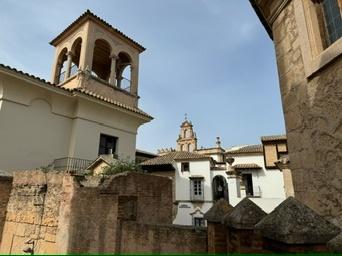
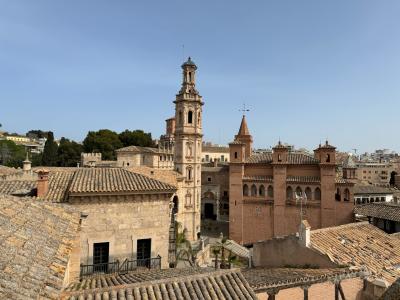
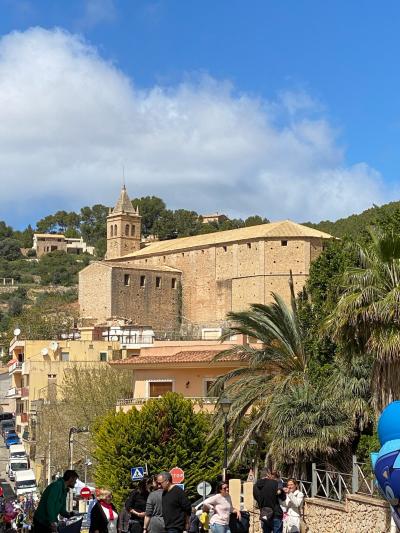
Andratx, a picturesque town nestled in the foothills of the Serra de Tramuntana in Mallorca, showcases a rich tapestry of historical influences through its architecture. The town's roots can be traced back to the Romans, evident in the remnants of ancient structures that hint at its long-standing significance as a strategic location. As you wander through the narrow streets, you’ll notice the distinctive stone buildings that reflect a blend of Romanesque and Gothic styles, which were prevalent during the medieval period. This architectural diversity is a testament to the town's evolution over centuries, adapting to different cultural influences while retaining its unique character.
One of the most prominent historical influences in Andratx is the Moorish architecture that emerged during the Islamic period in the Balearic Islands. The use of intricate tilework, arched doorways, and decorative motifs can be spotted in various buildings, showcasing the craftsmanship of that era. The town's layout, with its winding streets and compact houses, often reflects the defensive strategies employed by the Moors, who sought to protect their settlements from invaders. As you explore, be sure to visit the historic church of Santa Maria, which beautifully encapsulates the transition from Gothic to Baroque style, further illustrating the rich architectural dialogue that has taken place here.
In addition to these influences, the 18th and 19th centuries brought about a wave of neoclassical design, characterized by symmetry and grand facades. This period saw the construction of several important civic buildings, including the town hall, which features elegant columns and a dignified presence. The interplay of these historical styles in Andratx not only tells the story of its past but also creates a charming atmosphere that invites visitors to appreciate the layers of history embedded in its architecture. As you take in the sights, you’ll find that each building has a story to tell, reflecting the town’s resilience and adaptability through the ages.
One of the most prominent historical influences in Andratx is the Moorish architecture that emerged during the Islamic period in the Balearic Islands. The use of intricate tilework, arched doorways, and decorative motifs can be spotted in various buildings, showcasing the craftsmanship of that era. The town's layout, with its winding streets and compact houses, often reflects the defensive strategies employed by the Moors, who sought to protect their settlements from invaders. As you explore, be sure to visit the historic church of Santa Maria, which beautifully encapsulates the transition from Gothic to Baroque style, further illustrating the rich architectural dialogue that has taken place here.
In addition to these influences, the 18th and 19th centuries brought about a wave of neoclassical design, characterized by symmetry and grand facades. This period saw the construction of several important civic buildings, including the town hall, which features elegant columns and a dignified presence. The interplay of these historical styles in Andratx not only tells the story of its past but also creates a charming atmosphere that invites visitors to appreciate the layers of history embedded in its architecture. As you take in the sights, you’ll find that each building has a story to tell, reflecting the town’s resilience and adaptability through the ages.
Andratx
More Fotos