What historical influences can be seen in the artwork of Pollença?
Similar Topics
Pollença artwork
historical influences
Mallorca art
Roman architecture
Byzantine art
Arab influences
Catalan Gothic architecture
Baroque art
contemporary expressions
artistic heritage
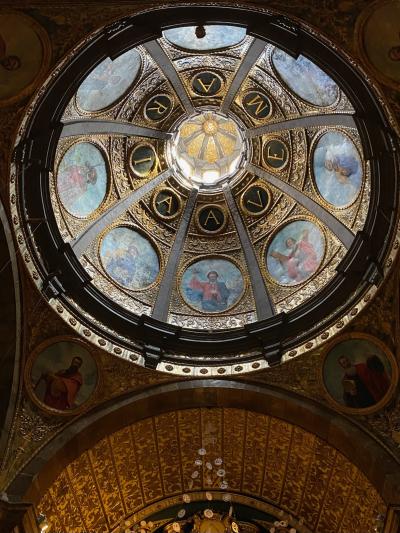
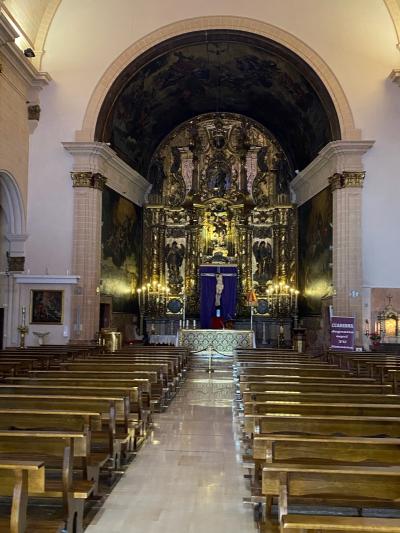
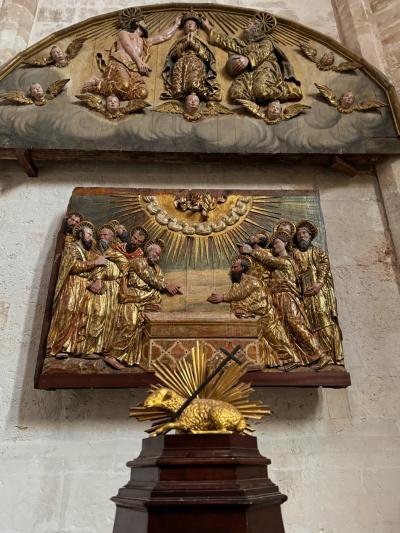
Pollença, a charming town on the northern coast of Mallorca, boasts a rich tapestry of historical influences that are vividly reflected in its artwork. The town’s artistic heritage can be traced back to the Roman period, with remnants of ancient architecture still visible in the surrounding areas. The blend of Roman, Byzantine, and later Arab influences creates a unique backdrop for the local art scene, showcasing an evolution of styles and themes that speak to the island’s diverse history. You can see this historical layering in the intricate details of sculptures and frescoes found in the local churches, particularly the 18th-century Church of Our Lady of the Anguish, which features ornate altarpieces capturing the essence of Baroque art.
As you wander through the cobbled streets of Pollença, you'll also encounter the influence of Catalan Gothic architecture, which has left an indelible mark on the town's aesthetic. This style is evident in the design of many buildings, where pointed arches and intricate stonework tell stories of the medieval period. The town has also been a haven for artists since the 19th century, attracting painters who were inspired by its stunning landscapes and historical charm. The works of local artists often reflect the natural beauty of the surrounding countryside, infused with the vibrant colors and light that characterize Mediterranean art.
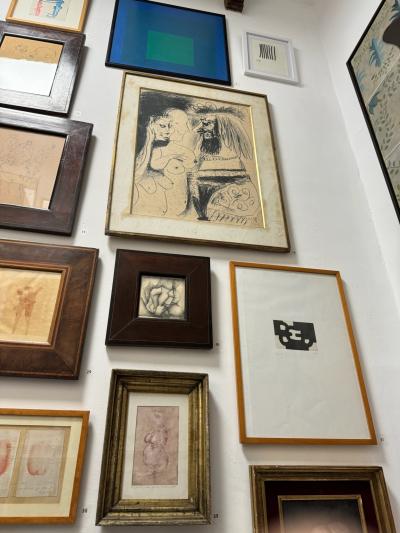
In addition to traditional forms of art, Pollença also embraces contemporary expressions, with galleries showcasing works that pay homage to the past while exploring modern themes. This artistic dialogue between history and present-day creativity is further highlighted during local festivals, where traditional music and dance intersect with visual art, creating a dynamic cultural experience. Overall, the artwork of Pollença serves as a captivating reminder of the town's rich historical influences and its ongoing evolution as a center for artistic expression.
As you wander through the cobbled streets of Pollença, you'll also encounter the influence of Catalan Gothic architecture, which has left an indelible mark on the town's aesthetic. This style is evident in the design of many buildings, where pointed arches and intricate stonework tell stories of the medieval period. The town has also been a haven for artists since the 19th century, attracting painters who were inspired by its stunning landscapes and historical charm. The works of local artists often reflect the natural beauty of the surrounding countryside, infused with the vibrant colors and light that characterize Mediterranean art.
In addition to traditional forms of art, Pollença also embraces contemporary expressions, with galleries showcasing works that pay homage to the past while exploring modern themes. This artistic dialogue between history and present-day creativity is further highlighted during local festivals, where traditional music and dance intersect with visual art, creating a dynamic cultural experience. Overall, the artwork of Pollença serves as a captivating reminder of the town's rich historical influences and its ongoing evolution as a center for artistic expression.
Palma
More Fotos