What other historical groups have impacted Mallorca after the Vandals?
Similar Topics
Mallorca history
Byzantine Empire Mallorca
Moorish influence Mallorca
Gothic architecture Mallorca
Palma Cathedral
Mallorcan cuisine
Islamic urban planning
historical sites Mallorca
cultural exchange Mallorca
Mallorca travel
After the Vandals, Mallorca experienced a series of significant historical influences that shaped its culture and identity. Following the decline of the Vandal rule in the 5th century, the island became part of the Byzantine Empire, which sought to reclaim lost territories in the Mediterranean. The Byzantines contributed to the development of early Christian architecture and established important trade routes, reinforcing Mallorca's strategic significance. This period saw the construction of various churches, some of which laid the groundwork for the island's rich religious heritage.
In the 8th century, the island fell under the control of the Moors, who ruled Mallorca for nearly 300 years. The Islamic period was transformative, introducing advanced agricultural techniques, sophisticated irrigation systems, and a flourishing of arts and sciences. The Moorish influence is still evident in the island's architecture, with stunning examples like the Albufera and the winding streets of the old town in Palma, which reflect the intricate design typical of Islamic urban planning. The Moors also left a lasting legacy on the local language and cuisine, blending elements that can be seen in modern Mallorcan dishes.
The Catalan conquest in the 13th century marked another pivotal moment in Mallorca's history. Under King James I of Aragon, the island was integrated into the Crown of Aragon, leading to a resurgence in trade and the construction of impressive Gothic structures, including the iconic Palma Cathedral. This period also fostered a rich cultural exchange, melding Christian and Moorish traditions, which can be explored in various historical sites throughout the island. Mallorca's history is a tapestry woven from these diverse influences, providing a fascinating backdrop for travelers interested in exploring its past.
In the 8th century, the island fell under the control of the Moors, who ruled Mallorca for nearly 300 years. The Islamic period was transformative, introducing advanced agricultural techniques, sophisticated irrigation systems, and a flourishing of arts and sciences. The Moorish influence is still evident in the island's architecture, with stunning examples like the Albufera and the winding streets of the old town in Palma, which reflect the intricate design typical of Islamic urban planning. The Moors also left a lasting legacy on the local language and cuisine, blending elements that can be seen in modern Mallorcan dishes.
The Catalan conquest in the 13th century marked another pivotal moment in Mallorca's history. Under King James I of Aragon, the island was integrated into the Crown of Aragon, leading to a resurgence in trade and the construction of impressive Gothic structures, including the iconic Palma Cathedral. This period also fostered a rich cultural exchange, melding Christian and Moorish traditions, which can be explored in various historical sites throughout the island. Mallorca's history is a tapestry woven from these diverse influences, providing a fascinating backdrop for travelers interested in exploring its past.
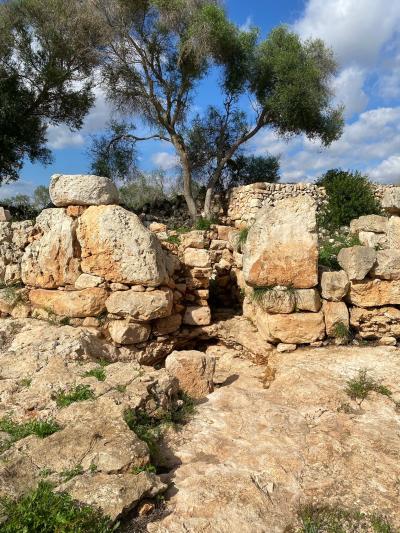
Capocorb Vell
More Fotos