What historical significance does the Almudaina Palace hold?
Similar Topics
Almudaina Palace
Mallorca history
Palma attractions
Islamic architecture
Gothic style
Spanish royal family
historical sites Mallorca
cultural heritage Mallorca
royal ceremonies
Mallorca tourism
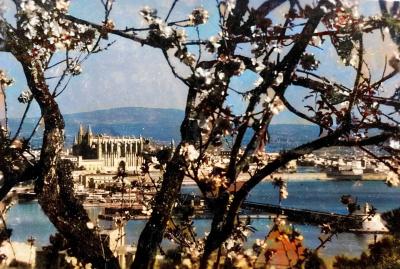
The Almudaina Palace, located in the heart of Palma, Mallorca, carries a rich historical significance that reflects the island's diverse cultural heritage. Originally built as an Islamic fortress in the 10th century, it served as a royal residence for the Moorish rulers of Mallorca. The palace's architecture showcases the blending of Islamic and Gothic styles, which is a hallmark of the region's history. After the Christian conquest of Mallorca in 1229, the palace was repurposed and further developed to serve as the official residence of the Spanish royal family when they visit the island.
Over the centuries, the Almudaina Palace has witnessed numerous historical events, making it a symbol of the island's political and cultural evolution. It has been the site of royal ceremonies, including weddings and other significant state functions, underscoring its importance to the monarchy. The palace is also home to a museum that displays a variety of artifacts and artworks, allowing visitors to appreciate the rich tapestry of Mallorca's past. The stunning views of the surrounding area from the palace grounds add to its allure, making it a must-visit destination for those interested in the island's history.
Visiting the Almudaina Palace offers a unique opportunity to walk through centuries of history, from its origins as a fortress to its role in the Spanish monarchy. The well-preserved architecture and beautifully maintained gardens invite exploration and reflection, providing insight into the cultural confluence that has shaped Mallorca. This historical site not only serves as a reminder of the island's complex past but also as a vibrant part of its present, where visitors can immerse themselves in the stories of those who came before.
Over the centuries, the Almudaina Palace has witnessed numerous historical events, making it a symbol of the island's political and cultural evolution. It has been the site of royal ceremonies, including weddings and other significant state functions, underscoring its importance to the monarchy. The palace is also home to a museum that displays a variety of artifacts and artworks, allowing visitors to appreciate the rich tapestry of Mallorca's past. The stunning views of the surrounding area from the palace grounds add to its allure, making it a must-visit destination for those interested in the island's history.
Visiting the Almudaina Palace offers a unique opportunity to walk through centuries of history, from its origins as a fortress to its role in the Spanish monarchy. The well-preserved architecture and beautifully maintained gardens invite exploration and reflection, providing insight into the cultural confluence that has shaped Mallorca. This historical site not only serves as a reminder of the island's complex past but also as a vibrant part of its present, where visitors can immerse themselves in the stories of those who came before.

More Fotos