What is the historical significance of the area now known as the Bay of Palma?
Similar Topics
Bay of Palma
Majorca history
Palma tourism
Talaiotic culture
Roman settlement
Mediterranean trade
Moorish architecture
Cathedral of Santa Maria
Old Town Palma
historic landmarks Majorca
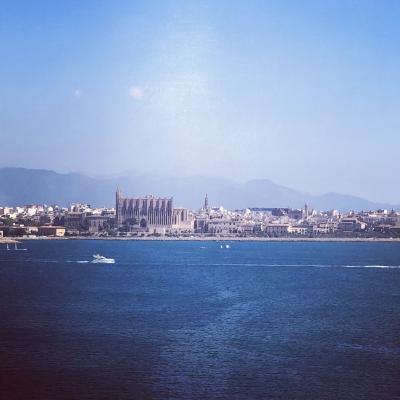
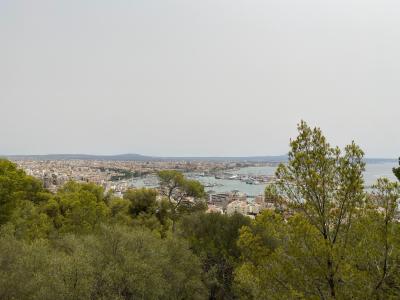
The Bay of Palma, located on the southwestern coast of Majorca, boasts a rich tapestry of history that dates back thousands of years. In ancient times, the area was inhabited by various cultures, including the Talaiotic people, who left behind impressive megalithic structures. The Romans later established a settlement known as Palmaria around 123 BC, recognizing the strategic importance of the bay as a natural harbor. This early Roman influence laid the groundwork for Palma to flourish as a vital trading hub in the Mediterranean.
During the Middle Ages, Palma became an important center for commerce and culture under both Muslim and Christian rule. The Moors captured the island in the 10th century, and their influence can still be seen in the architecture and layout of the Old Town, with its narrow streets and stunning mosques that were later converted into churches. The Reconquista in the late 13th century saw James I of Aragon reclaim the island for Christendom, leading to a period of significant growth and the construction of notable landmarks, such as the magnificent Cathedral of Santa Maria, which remains a symbol of the city today.
As you explore the Bay of Palma today, the historical significance of the area becomes apparent in its blend of cultures, evident in the vibrant markets, local cuisine, and the warm hospitality of its people. The bay itself has played a crucial role in the island's maritime history, serving as a refuge for sailors and a key point for trade routes throughout the centuries. This rich history continues to attract visitors who come to marvel at its beauty and immerse themselves in the stories of the past that have shaped this enchanting destination.
During the Middle Ages, Palma became an important center for commerce and culture under both Muslim and Christian rule. The Moors captured the island in the 10th century, and their influence can still be seen in the architecture and layout of the Old Town, with its narrow streets and stunning mosques that were later converted into churches. The Reconquista in the late 13th century saw James I of Aragon reclaim the island for Christendom, leading to a period of significant growth and the construction of notable landmarks, such as the magnificent Cathedral of Santa Maria, which remains a symbol of the city today.
As you explore the Bay of Palma today, the historical significance of the area becomes apparent in its blend of cultures, evident in the vibrant markets, local cuisine, and the warm hospitality of its people. The bay itself has played a crucial role in the island's maritime history, serving as a refuge for sailors and a key point for trade routes throughout the centuries. This rich history continues to attract visitors who come to marvel at its beauty and immerse themselves in the stories of the past that have shaped this enchanting destination.
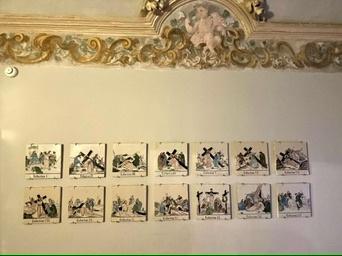
Palma Cathedral
More Fotos