What historical significance does the Lonja de Palma hold?
Similar Topics
Lonja de Palma
Gothic architecture
Palma Mallorca
historical significance
Mediterranean economy
merchant class
cultural exchange
Palma attractions
historical sites
art exhibitions
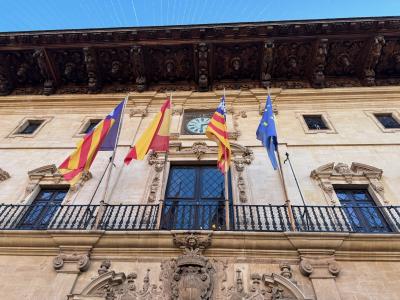
The Lonja de Palma, also known as the Lonja de los Mercaderes, is a stunning example of Gothic architecture situated in the heart of Palma, Mallorca. Built between 1420 and 1452, it originally served as a marketplace for merchants trading in the lucrative Mediterranean economy. The building's intricate stonework and soaring vaulted ceilings reflect the wealth and influence of the merchant class during the late Middle Ages, a time when Mallorca was an important hub for commerce and trade routes connecting Europe, North Africa, and the Middle East.
Beyond its architectural beauty, the Lonja de Palma holds significant historical importance as a symbol of the island's economic prosperity and cultural exchange. It was a place where merchants conducted business, negotiated deals, and showcased the richness of goods flowing through the Mediterranean. Over the centuries, the building has witnessed the rise and fall of empires, the impact of maritime trade, and the evolution of Palma as a key player in regional commerce. Today, it stands as a testament to the island's vibrant history and serves as a popular attraction for visitors eager to learn about Mallorca's past.
In addition to its historical role, the Lonja de Palma is now a cultural landmark that hosts various art exhibitions and events, blending the old with the new. Its proximity to other historical sites, such as the Cathedral of Santa María and the Royal Palace of La Almudaina, makes it a perfect stop for travelers exploring Palma's rich heritage. As you wander through its halls, you can almost feel the echoes of the past, transporting you back to a time when this magnificent building was alive with the hustle and bustle of trade and commerce.
Beyond its architectural beauty, the Lonja de Palma holds significant historical importance as a symbol of the island's economic prosperity and cultural exchange. It was a place where merchants conducted business, negotiated deals, and showcased the richness of goods flowing through the Mediterranean. Over the centuries, the building has witnessed the rise and fall of empires, the impact of maritime trade, and the evolution of Palma as a key player in regional commerce. Today, it stands as a testament to the island's vibrant history and serves as a popular attraction for visitors eager to learn about Mallorca's past.
In addition to its historical role, the Lonja de Palma is now a cultural landmark that hosts various art exhibitions and events, blending the old with the new. Its proximity to other historical sites, such as the Cathedral of Santa María and the Royal Palace of La Almudaina, makes it a perfect stop for travelers exploring Palma's rich heritage. As you wander through its halls, you can almost feel the echoes of the past, transporting you back to a time when this magnificent building was alive with the hustle and bustle of trade and commerce.

Palma
More Fotos