What’s the history behind the train line to Sóller, and how has it influenced the town?
Similar Topics
Sóller Railway
Mallorca history
train line to Sóller
narrow-gauge railway
Tramuntana mountains
Sóller town
vintage wooden trains
Mallorca tourism
citrus fruits transport
early 20th-century architecture
The train line to Sóller, known as the Sóller Railway, has a rich history that dates back to its inauguration in 1912. Designed to connect the picturesque town of Sóller with the capital, Palma, this narrow-gauge railway was built primarily to transport the region’s abundant citrus fruits, particularly oranges and lemons, to the markets in Palma. The rail line was a significant engineering feat, featuring tunnels and bridges that navigated the rugged Tramuntana mountains, showcasing the ingenuity of early 20th-century transportation. Over the years, the train became a vital lifeline for Sóller, not only facilitating trade but also connecting residents to the wider island.
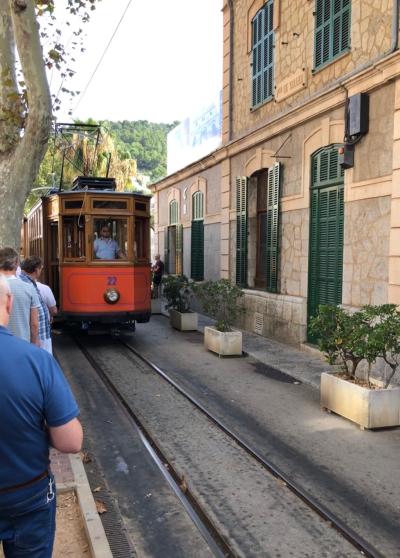
The influence of the Sóller Railway on the town is profound and multifaceted. It boosted the local economy by opening up trade routes and attracting tourists who wished to experience the scenic journey through the mountains. The charming vintage wooden trains still operate today, offering visitors a nostalgic ride that allows them to soak in the stunning landscapes of Mallorca. This enduring connection has helped preserve Sóller’s unique character and charm, making it a popular destination for those looking to explore its rich history, culture, and the surrounding natural beauty.
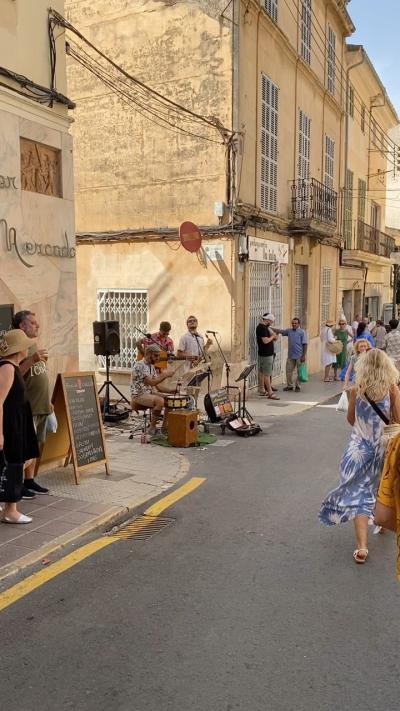
Furthermore, the train has fostered a sense of community and identity among the residents of Sóller. The station itself, a beautiful example of early 20th-century architecture, has become a central hub for both locals and visitors. The railway’s legacy is evident in the town's vibrant atmosphere, where the rhythm of the train adds to the charm of its narrow streets, quaint cafés, and lively markets. As a result, the Sóller Railway not only serves as a mode of transport but also as a symbol of the town's resilience and connection to the broader world, enriching the experience for anyone who visits this enchanting corner of Mallorca.
The influence of the Sóller Railway on the town is profound and multifaceted. It boosted the local economy by opening up trade routes and attracting tourists who wished to experience the scenic journey through the mountains. The charming vintage wooden trains still operate today, offering visitors a nostalgic ride that allows them to soak in the stunning landscapes of Mallorca. This enduring connection has helped preserve Sóller’s unique character and charm, making it a popular destination for those looking to explore its rich history, culture, and the surrounding natural beauty.
Furthermore, the train has fostered a sense of community and identity among the residents of Sóller. The station itself, a beautiful example of early 20th-century architecture, has become a central hub for both locals and visitors. The railway’s legacy is evident in the town's vibrant atmosphere, where the rhythm of the train adds to the charm of its narrow streets, quaint cafés, and lively markets. As a result, the Sóller Railway not only serves as a mode of transport but also as a symbol of the town's resilience and connection to the broader world, enriching the experience for anyone who visits this enchanting corner of Mallorca.
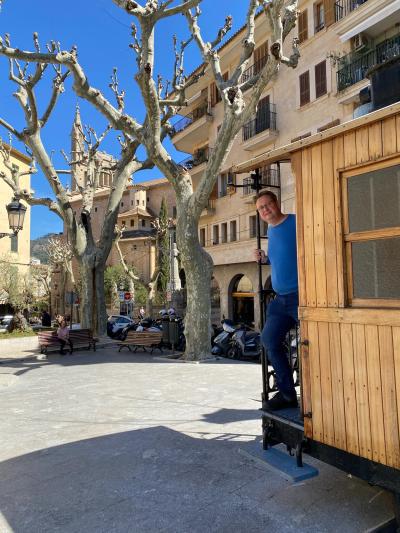
Sóller
More Fotos