Can you tell me about the history and significance of the Lluc Monastery?
Similar Topics
Lluc Monastery
Mallorca history
Serra de Tramuntana
Virgin of Lluc
pilgrimage site
Mallorcan art
Escolania choir
Romero de Lluc
hiking trails Mallorca
cultural heritage Mallorca
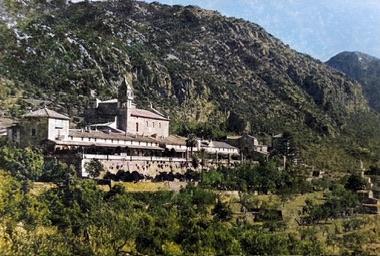
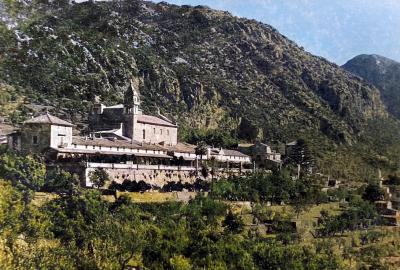
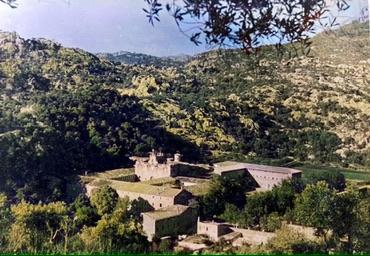
The Lluc Monastery, nestled in the stunning Serra de Tramuntana mountains of Mallorca, holds a profound historical and cultural significance that dates back to the 13th century. Founded in 1230, it was established by a group of monks who sought to create a place of worship in honor of the Virgin of Lluc, whose image is believed to have been discovered in a nearby cave. Over the centuries, the monastery has evolved into a pilgrimage site, drawing visitors not only for its spiritual importance but also for its breathtaking natural surroundings. The serene landscape, with its rugged cliffs and lush greenery, adds to the sense of peace that envelops the site.
Beyond its religious role, the Lluc Monastery has also been a center for education and cultural preservation. It houses a museum that showcases a variety of artifacts, including religious relics and traditional Mallorcan art, providing insights into the island's rich history. The monastery is home to a choir of boys known as the "Escolania," who perform traditional Mallorcan songs, further enhancing the site's cultural significance. Visitors often find themselves captivated by the harmonious blend of spirituality, art, and nature, which makes Lluc a unique destination.
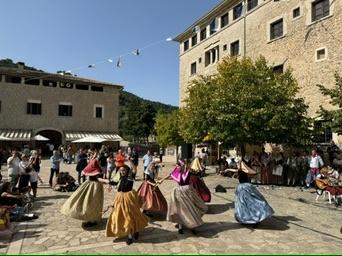
The annual pilgrimage to Lluc, known as the "Romero de Lluc," attracts thousands of devotees and tourists alike, highlighting the enduring importance of the monastery in the local community. The event fosters a sense of connection among participants, whether they come for religious reasons or to appreciate the stunning vistas and the tranquil atmosphere. The surrounding area offers numerous hiking trails, allowing visitors to explore the dramatic landscapes while reflecting on the enduring legacy of this remarkable place. Overall, the Lluc Monastery stands as a testament to Mallorca's cultural heritage, inviting all who visit to experience its serene beauty and rich history.
Beyond its religious role, the Lluc Monastery has also been a center for education and cultural preservation. It houses a museum that showcases a variety of artifacts, including religious relics and traditional Mallorcan art, providing insights into the island's rich history. The monastery is home to a choir of boys known as the "Escolania," who perform traditional Mallorcan songs, further enhancing the site's cultural significance. Visitors often find themselves captivated by the harmonious blend of spirituality, art, and nature, which makes Lluc a unique destination.
The annual pilgrimage to Lluc, known as the "Romero de Lluc," attracts thousands of devotees and tourists alike, highlighting the enduring importance of the monastery in the local community. The event fosters a sense of connection among participants, whether they come for religious reasons or to appreciate the stunning vistas and the tranquil atmosphere. The surrounding area offers numerous hiking trails, allowing visitors to explore the dramatic landscapes while reflecting on the enduring legacy of this remarkable place. Overall, the Lluc Monastery stands as a testament to Mallorca's cultural heritage, inviting all who visit to experience its serene beauty and rich history.
More Fotos