What is the history behind the Almudaina Palace?
Similar Topics
Almudaina Palace
Mallorca history
Palma attractions
Islamic architecture
Christian conquest Mallorca
royal residence Mallorca
Gothic Renaissance architecture
Mallorca tourism
Spanish royal family
historical monuments Mallorca
The Almudaina Palace, located in the heart of Palma, Mallorca, has a rich history that traces back to the Islamic period of the island. Originally built as a fortress in the 10th century during the rule of the Moors, it served as a royal residence and military stronghold, reflecting the architectural style and defensive needs of that era. The name "Almudaina" derives from the Arabic word "al-mudayna," meaning "the citadel," which emphasizes its significance as a military and administrative center. After the Christian conquest of Mallorca in 1229, King James I transformed the palace into a royal residence, marking the beginning of its evolution into a symbol of power and governance.
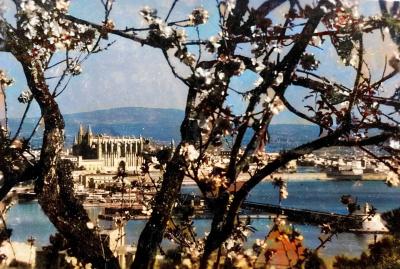
Throughout the centuries, the Almudaina Palace has undergone various renovations and modifications that blend different architectural styles, including Gothic and Renaissance elements. The most notable changes occurred during the reign of King Jaume II, who expanded and embellished the palace, adding features like the grand chapel and impressive domed ceilings that can still be seen today. Its strategic location overlooking the harbor of Palma made it an essential site for both defense and administration, allowing it to play a pivotal role in the island's history.
Today, the Almudaina Palace stands not only as a historical monument but also as the official residence of the Spanish royal family when they visit Mallorca. Visitors to the palace can explore its beautifully landscaped gardens, grand halls, and fascinating exhibitions that showcase its rich past. The blend of cultural influences, from its Islamic roots to its Christian modifications, makes the Almudaina Palace a captivating place for anyone interested in the intricate tapestry of Mallorca's history and heritage.
Throughout the centuries, the Almudaina Palace has undergone various renovations and modifications that blend different architectural styles, including Gothic and Renaissance elements. The most notable changes occurred during the reign of King Jaume II, who expanded and embellished the palace, adding features like the grand chapel and impressive domed ceilings that can still be seen today. Its strategic location overlooking the harbor of Palma made it an essential site for both defense and administration, allowing it to play a pivotal role in the island's history.
Today, the Almudaina Palace stands not only as a historical monument but also as the official residence of the Spanish royal family when they visit Mallorca. Visitors to the palace can explore its beautifully landscaped gardens, grand halls, and fascinating exhibitions that showcase its rich past. The blend of cultural influences, from its Islamic roots to its Christian modifications, makes the Almudaina Palace a captivating place for anyone interested in the intricate tapestry of Mallorca's history and heritage.

More Fotos