Can you tell me about the history of the black pig farming in Mallorca?
Similar Topics
black pig farming
Mallorca agriculture
porc negre
Balearic Islands cuisine
sustainable farming Mallorca
traditional farming methods
Mallorca culinary identity
sobrassada
ensaimada
farm visits Mallorca
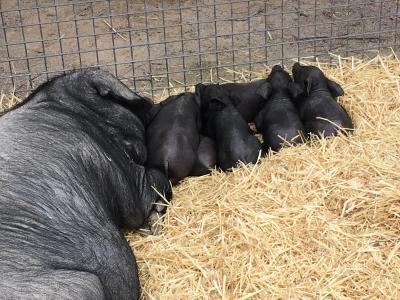
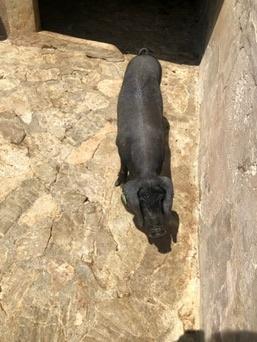
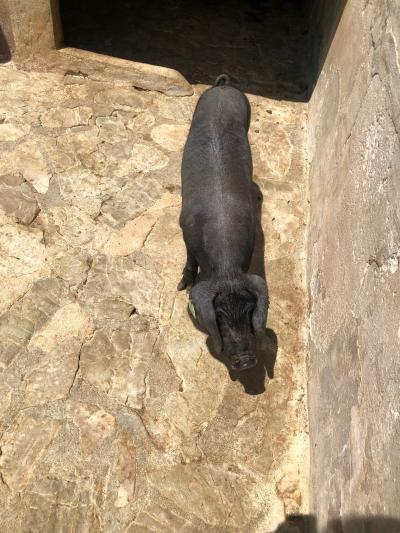
Black pig farming in Mallorca, specifically the native black pig known as "porc negre," has a rich history that reflects the island's agricultural traditions and cultural heritage. This breed of pig is indigenous to the Balearic Islands and has been raised since ancient times, with evidence suggesting that its domestication dates back to the Roman era. The black pig thrives in the island's diverse landscape, particularly in the mountainous regions where they forage on acorns, herbs, and wild grasses, which contribute to their unique flavor and texture. Their ability to adapt to Mallorca's environment has made them an integral part of the island's rural life.
In the past, black pigs were raised primarily for subsistence, providing families with meat and other products. Over the years, however, their farming transitioned from small-scale operations to more organized practices, particularly in the 20th century. Farmers recognized the quality of the meat produced by these pigs, which is now celebrated for its rich taste and marbling. Today, black pig farming in Mallorca is not only a nod to tradition but also a vital component of the island's culinary identity, featuring prominently in local dishes such as "sobrassada" and "ensaimada."
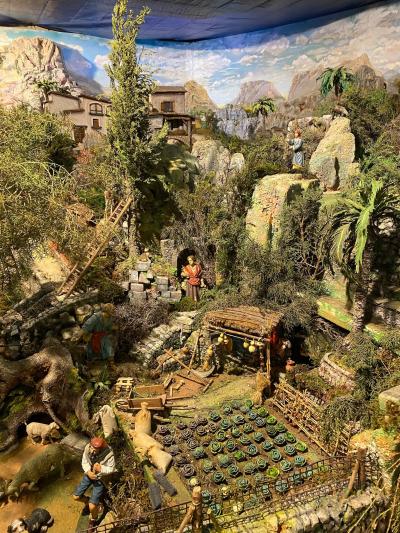
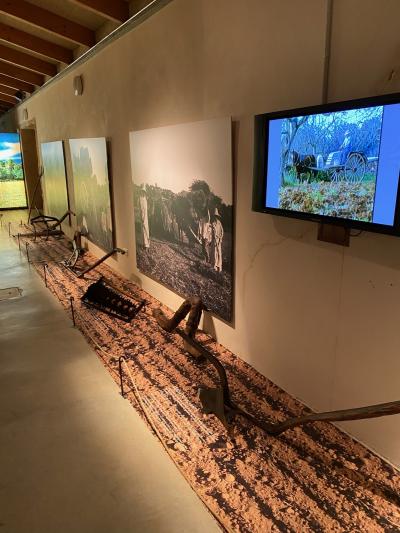
The revival of interest in traditional farming methods has led to a resurgence of black pig farming, with many farmers adopting sustainable practices that honor the heritage of the land. This movement has been supported by local associations and culinary experts who promote the importance of preserving these native breeds. Visitors to Mallorca can explore this aspect of the island's culture through farm visits, tasting experiences, and by enjoying local cuisine in restaurants that emphasize the use of local, high-quality ingredients. Engaging with the history and flavors of Mallorca's black pig farming not only enhances your culinary journey but also deepens your appreciation for the island's rich agricultural landscape.
In the past, black pigs were raised primarily for subsistence, providing families with meat and other products. Over the years, however, their farming transitioned from small-scale operations to more organized practices, particularly in the 20th century. Farmers recognized the quality of the meat produced by these pigs, which is now celebrated for its rich taste and marbling. Today, black pig farming in Mallorca is not only a nod to tradition but also a vital component of the island's culinary identity, featuring prominently in local dishes such as "sobrassada" and "ensaimada."
The revival of interest in traditional farming methods has led to a resurgence of black pig farming, with many farmers adopting sustainable practices that honor the heritage of the land. This movement has been supported by local associations and culinary experts who promote the importance of preserving these native breeds. Visitors to Mallorca can explore this aspect of the island's culture through farm visits, tasting experiences, and by enjoying local cuisine in restaurants that emphasize the use of local, high-quality ingredients. Engaging with the history and flavors of Mallorca's black pig farming not only enhances your culinary journey but also deepens your appreciation for the island's rich agricultural landscape.

Campos
More Fotos