What is the history behind the Cartuja de Valldemossa?
Similar Topics
Cartuja de Valldemossa
Carthusian monastery
Mallorca history
Frédéric Chopin
George Sand
Valldemossa tourism
monastery museum
Meditation and reflection
historical architecture
cultural significance
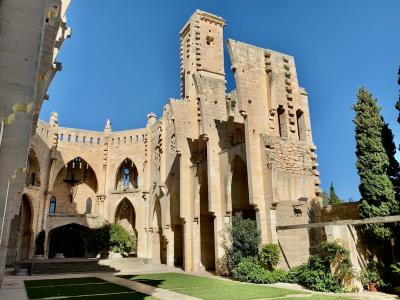
The Cartuja de Valldemossa, or the Charterhouse of Valldemossa, is a historic monastery located in the picturesque village of Valldemossa, Mallorca. Its origins date back to the 14th century when it was founded as a Carthusian monastery. The monks who settled here sought a life of solitude and contemplation, and they began constructing the buildings that would become integral to the complex. The site was chosen for its serene natural surroundings, which provided an ideal environment for meditation and reflection. Over the centuries, the monastery underwent various modifications and expansions, reflecting the architectural styles of different periods.
One of the most notable chapters in the history of the Cartuja occurred in the early 19th century when it became home to the famous composer Frédéric Chopin and his partner, the writer George Sand. They lived in a cell of the monastery during the winter of 1838-1839, seeking inspiration and respite from the French winter. Their time spent there has left a lasting legacy, with Chopin composing several pieces, including his "Preludes," while Sand chronicled their experience in her book "A Winter in Majorca." The couple's stay added a layer of cultural significance to the site, attracting visitors who come to appreciate both its historical and artistic heritage.
Today, the Cartuja de Valldemossa is a popular tourist destination, offering visitors a glimpse into its rich history and beautiful architecture. The monastery's museum displays artifacts from its monastic past, including religious art and manuscripts, while the tranquil gardens invite guests to relax and soak in the stunning views of the surrounding landscape. As you wander through its cloisters and chapels, you can almost feel the echoes of the monks' meditative lives and the artistic spirit that once inspired Chopin. The Cartuja serves not just as a monument to the past but also as a reminder of the creative energies that have flourished in this serene setting.
One of the most notable chapters in the history of the Cartuja occurred in the early 19th century when it became home to the famous composer Frédéric Chopin and his partner, the writer George Sand. They lived in a cell of the monastery during the winter of 1838-1839, seeking inspiration and respite from the French winter. Their time spent there has left a lasting legacy, with Chopin composing several pieces, including his "Preludes," while Sand chronicled their experience in her book "A Winter in Majorca." The couple's stay added a layer of cultural significance to the site, attracting visitors who come to appreciate both its historical and artistic heritage.
Today, the Cartuja de Valldemossa is a popular tourist destination, offering visitors a glimpse into its rich history and beautiful architecture. The monastery's museum displays artifacts from its monastic past, including religious art and manuscripts, while the tranquil gardens invite guests to relax and soak in the stunning views of the surrounding landscape. As you wander through its cloisters and chapels, you can almost feel the echoes of the monks' meditative lives and the artistic spirit that once inspired Chopin. The Cartuja serves not just as a monument to the past but also as a reminder of the creative energies that have flourished in this serene setting.
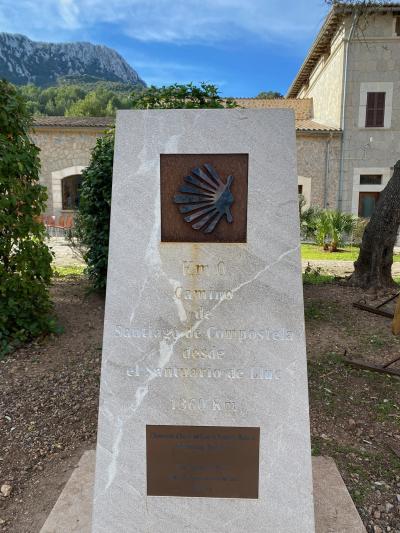
Sanctuary of Lluc
More Fotos