What’s the history behind ceramic art in Mallorca?
Similar Topics
Mallorca ceramic art
history of ceramics
Talaiotic culture
Islamic pottery
cerámica de faiança
Mallorca artisans
ceramic techniques
Fira de la Ceràmica
Mallorca cultural identity
vibrant glazes
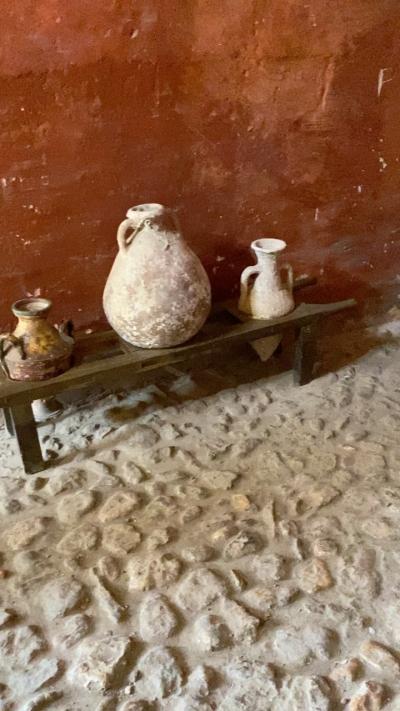
Ceramic art in Mallorca has a rich and vibrant history that dates back to ancient times, reflecting the island's diverse cultural influences. The earliest evidence of ceramic production can be traced to the Talaiotic culture, which thrived between 1000 BC and 100 BC. During this period, the locals crafted pottery primarily for utilitarian purposes, using simple techniques and local clay. As Mallorca became a crossroads for various civilizations, including the Romans and Moors, ceramic art evolved significantly, incorporating new styles and techniques that enriched its aesthetic.
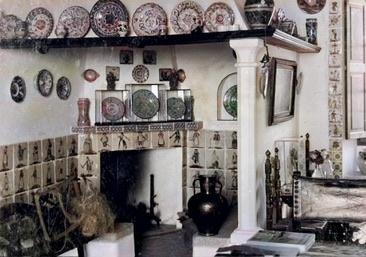
In the medieval era, particularly during the Islamic rule from the 10th to the 13th centuries, Mallorca experienced a renaissance in ceramic art. The Moors introduced intricate glazing techniques and vibrant colors, which were inspired by the artistic traditions of the Islamic world. This period saw the emergence of beautifully decorated earthenware, known as "cerámica de faiança," characterized by its vivid blue and green glazes, often adorned with geometric patterns and floral motifs. These styles have continued to influence Mallorcan ceramics, blending traditional elements with contemporary designs.
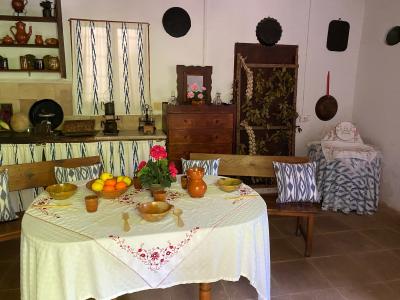
Today, ceramic art remains an essential part of Mallorca's cultural identity, with numerous artisans and workshops dedicated to preserving these time-honored techniques. Visitors to the island can explore local markets and studios, witnessing the craftsmanship behind each piece, from tiles to decorative bowls. The annual "Fira de la Ceràmica," a ceramic fair held in various towns, further celebrates this art form, showcasing both traditional and modern ceramics. This vibrant scene not only highlights the island's artistic heritage but also invites travelers to take home a piece of Mallorca's rich history in the form of beautifully crafted ceramics.
In the medieval era, particularly during the Islamic rule from the 10th to the 13th centuries, Mallorca experienced a renaissance in ceramic art. The Moors introduced intricate glazing techniques and vibrant colors, which were inspired by the artistic traditions of the Islamic world. This period saw the emergence of beautifully decorated earthenware, known as "cerámica de faiança," characterized by its vivid blue and green glazes, often adorned with geometric patterns and floral motifs. These styles have continued to influence Mallorcan ceramics, blending traditional elements with contemporary designs.
Today, ceramic art remains an essential part of Mallorca's cultural identity, with numerous artisans and workshops dedicated to preserving these time-honored techniques. Visitors to the island can explore local markets and studios, witnessing the craftsmanship behind each piece, from tiles to decorative bowls. The annual "Fira de la Ceràmica," a ceramic fair held in various towns, further celebrates this art form, showcasing both traditional and modern ceramics. This vibrant scene not only highlights the island's artistic heritage but also invites travelers to take home a piece of Mallorca's rich history in the form of beautifully crafted ceramics.

More Fotos