What is the history behind ceramic production in Mallorca?
Similar Topics
Mallorca ceramics
ceramic production history
Talaiotic culture pottery
Moorish influence ceramics
James I of Aragon
colorful ceramic designs
traditional pottery techniques
artisanal workshops Mallorca
Pòrtol pottery
Binissalem ceramics
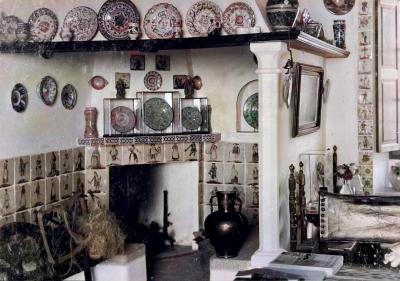
Ceramic production in Mallorca has a rich and varied history that dates back to ancient times, influenced by various cultures that have inhabited the island. The art of pottery began with the Talaiotic culture around 2000 BC, where early settlers created simple earthenware for everyday use. As the island became a crossroads for different civilizations, including the Romans and Moors, the techniques and styles of ceramic production evolved significantly. The Moors, in particular, brought advanced techniques, decorative motifs, and the use of vibrant glazes, which laid the groundwork for the island's distinctive ceramic tradition.
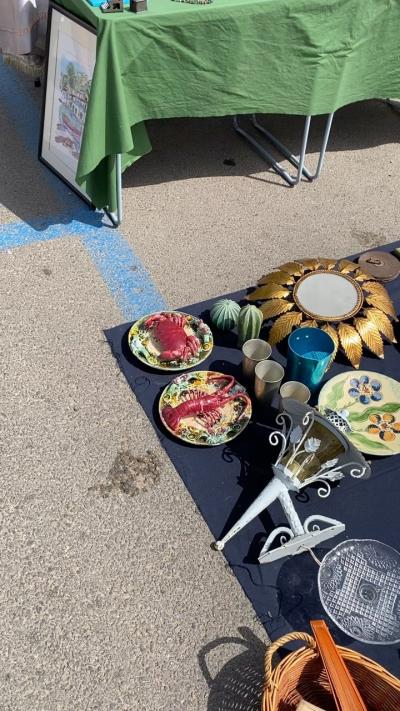
During the 13th century, after the conquest of Mallorca by James I of Aragon, the production of ceramics saw a resurgence. Local artisans began to incorporate both traditional techniques and new influences, leading to the creation of unique pieces that reflected the island’s cultural heritage. By the 17th century, Mallorca’s ceramics became well-known for their colorful designs and practical yet artistic forms, often featuring floral and geometric patterns. This period marked the establishment of several workshops and family-run businesses that still thrive today.
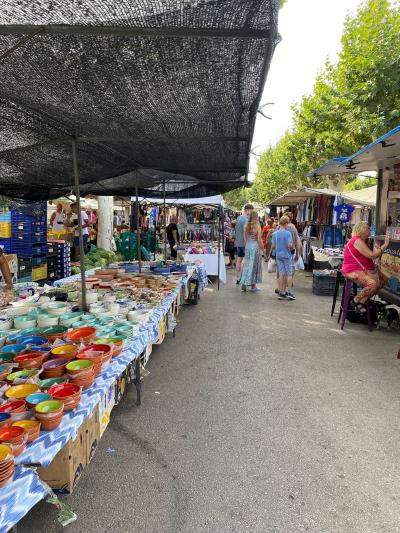
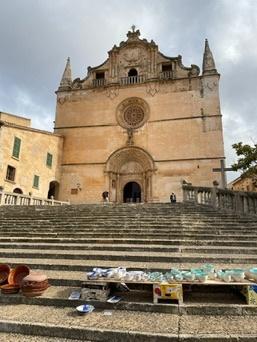
In contemporary times, ceramic production continues to be an important aspect of Mallorca's cultural identity. Artisans are committed to preserving traditional methods while also experimenting with modern designs, ensuring the craft remains relevant. Visitors can explore numerous pottery workshops and studios throughout the island, particularly in towns like Pòrtol and Binissalem, where you can witness the creative process firsthand and even take home a piece of this vibrant heritage. Whether you’re drawn to the functional pottery or intricate decorative items, Mallorca's ceramics offer a fascinating glimpse into the island’s history and artistry.
During the 13th century, after the conquest of Mallorca by James I of Aragon, the production of ceramics saw a resurgence. Local artisans began to incorporate both traditional techniques and new influences, leading to the creation of unique pieces that reflected the island’s cultural heritage. By the 17th century, Mallorca’s ceramics became well-known for their colorful designs and practical yet artistic forms, often featuring floral and geometric patterns. This period marked the establishment of several workshops and family-run businesses that still thrive today.
In contemporary times, ceramic production continues to be an important aspect of Mallorca's cultural identity. Artisans are committed to preserving traditional methods while also experimenting with modern designs, ensuring the craft remains relevant. Visitors can explore numerous pottery workshops and studios throughout the island, particularly in towns like Pòrtol and Binissalem, where you can witness the creative process firsthand and even take home a piece of this vibrant heritage. Whether you’re drawn to the functional pottery or intricate decorative items, Mallorca's ceramics offer a fascinating glimpse into the island’s history and artistry.
More Fotos