What is the history behind the architecture of Els Calderers?
Similar Topics
Els Calderers
Mallorca architecture
Mallorcan heritage
18th century estate
agricultural history
traditional Mallorcan architecture
guided tours Mallorca
cultural center Mallorca
historical site Mallorca
architectural significance
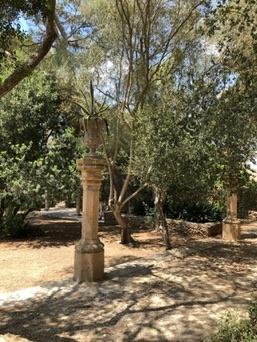
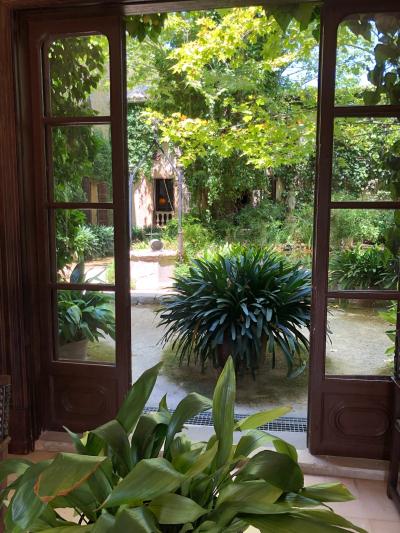
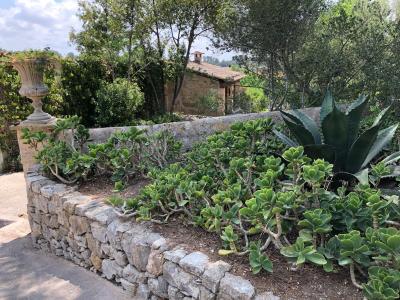
Els Calderers is a remarkable estate located in the heart of Mallorca, showcasing a blend of traditional Mallorcan architecture and the agricultural history of the island. The estate dates back to the 18th century and was originally built as a manor house for a wealthy family involved in the cultivation of crops and livestock. The architecture reflects the typical style of the era, characterized by solid stone walls, large windows, and ornate wooden balconies, which not only served aesthetic purposes but also practical functions, such as ventilation and protection against the island's climate.
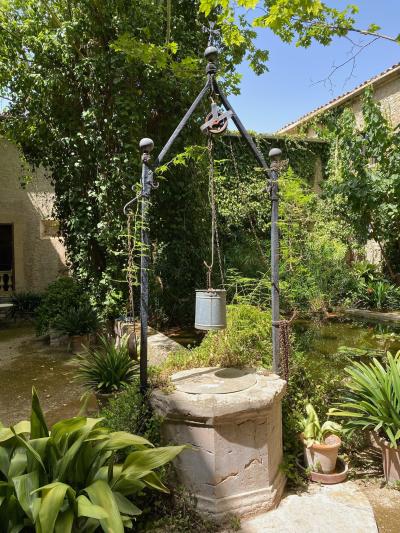
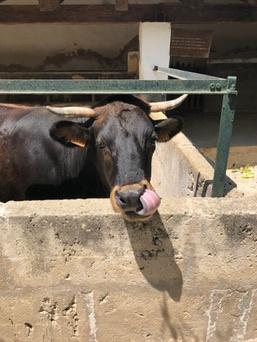
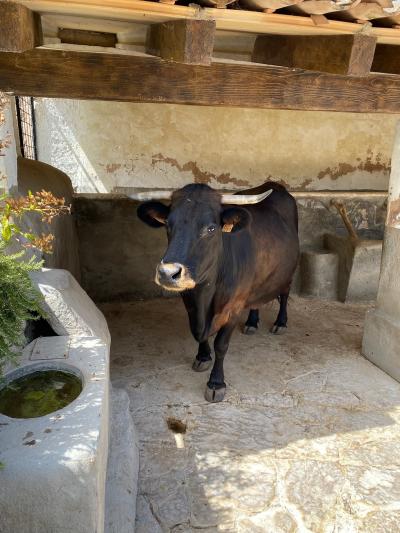
Throughout its history, Els Calderers has remained closely connected to the agricultural practices of Mallorca, offering insight into how these practices influenced local architecture. The design elements of the estate are indicative of the region's agrarian lifestyle, with structures that emphasize functionality alongside beauty. The layout includes barns and stables that align with the needs of farming, while the main house demonstrates the wealth and social status of its inhabitants through decorative elements and spacious courtyards. Visitors can appreciate how the architecture tells the story of the island’s economic and social evolution, reflecting changes in agricultural practices and the lifestyles of those who lived and worked there.
Today, Els Calderers stands as a testament to Mallorcan heritage, inviting visitors to explore its picturesque surroundings and historical significance. Guided tours often highlight the intricate details of the architecture, allowing guests to immerse themselves in the past while appreciating the craftsmanship involved in its construction. The estate not only serves as a historical site but also as a cultural center that celebrates the rich agricultural traditions of Mallorca, making it a must-visit for anyone interested in the island's architectural and agricultural history.
Throughout its history, Els Calderers has remained closely connected to the agricultural practices of Mallorca, offering insight into how these practices influenced local architecture. The design elements of the estate are indicative of the region's agrarian lifestyle, with structures that emphasize functionality alongside beauty. The layout includes barns and stables that align with the needs of farming, while the main house demonstrates the wealth and social status of its inhabitants through decorative elements and spacious courtyards. Visitors can appreciate how the architecture tells the story of the island’s economic and social evolution, reflecting changes in agricultural practices and the lifestyles of those who lived and worked there.
Today, Els Calderers stands as a testament to Mallorcan heritage, inviting visitors to explore its picturesque surroundings and historical significance. Guided tours often highlight the intricate details of the architecture, allowing guests to immerse themselves in the past while appreciating the craftsmanship involved in its construction. The estate not only serves as a historical site but also as a cultural center that celebrates the rich agricultural traditions of Mallorca, making it a must-visit for anyone interested in the island's architectural and agricultural history.
Sant Joan
More Fotos