What is the history behind the village of Valldemossa?
Similar Topics
Valldemossa history
Mallorca travel
Tramuntana mountains
Carthusian monastery
Frédéric Chopin
George Sand
coca de patata
Mallorca culture
artistic legacy
Mediterranean villages
Valldemossa, a picturesque village nestled in the Tramuntana mountain range of Mallorca, boasts a rich history that dates back to the 13th century. Originally established by the Moors, the village was known for its strategic position and fertile land, which allowed for the cultivation of olive trees and the production of high-quality olive oil. Following the Christian Reconquest in 1230, the village came under the control of King James I, who granted it to the Order of the Carthusian monks in 1399. This led to the construction of the Cartuja de Valldemossa, a monastery that remains one of the village's most significant landmarks.
Throughout the centuries, Valldemossa has attracted writers, artists, and musicians seeking inspiration in its serene landscapes and charming streets. The most famous of its visitors was the composer Frédéric Chopin, who spent the winter of 1838-1839 in a cell of the monastery with writer George Sand. Their stay is often romanticized as a period of creativity and artistic exchange, despite the harsh conditions of the winter. This connection to Chopin adds a layer of cultural depth to the village, making it a notable stop for those interested in music and literature.
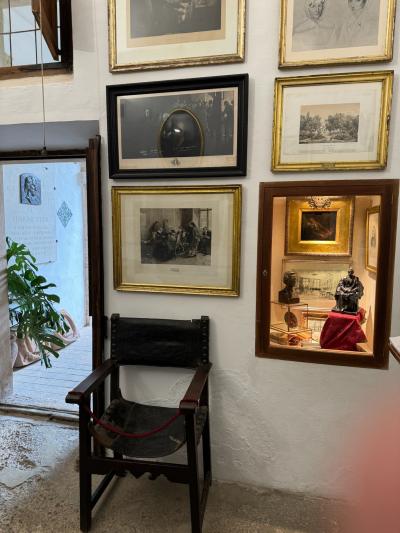
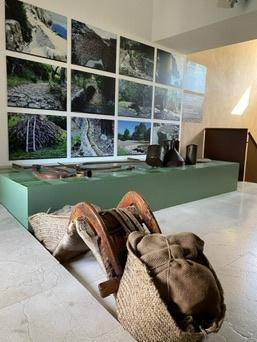
Today, Valldemossa retains its historical charm, with cobblestone streets, stone houses adorned with flowers, and stunning views of the surrounding countryside. Visitors can explore the monastery, which now houses a museum dedicated to Chopin and Sand, and enjoy the unique local culture, including the famous coca de patata, a sweet pastry that has become a culinary symbol of the village. The blend of history, natural beauty, and artistic legacy makes Valldemossa a delightful destination for travelers seeking to experience the heart of Mallorca.
Throughout the centuries, Valldemossa has attracted writers, artists, and musicians seeking inspiration in its serene landscapes and charming streets. The most famous of its visitors was the composer Frédéric Chopin, who spent the winter of 1838-1839 in a cell of the monastery with writer George Sand. Their stay is often romanticized as a period of creativity and artistic exchange, despite the harsh conditions of the winter. This connection to Chopin adds a layer of cultural depth to the village, making it a notable stop for those interested in music and literature.
Today, Valldemossa retains its historical charm, with cobblestone streets, stone houses adorned with flowers, and stunning views of the surrounding countryside. Visitors can explore the monastery, which now houses a museum dedicated to Chopin and Sand, and enjoy the unique local culture, including the famous coca de patata, a sweet pastry that has become a culinary symbol of the village. The blend of history, natural beauty, and artistic legacy makes Valldemossa a delightful destination for travelers seeking to experience the heart of Mallorca.

Artà
More Fotos