How do the local climate and soil conditions influence plant growth in Mallorca?
Similar Topics
Mallorca
Mediterranean climate
plant growth
drought-resistant plants
olive trees
agricultural practices
fertile soils
rocky soils
local flora
nature lovers
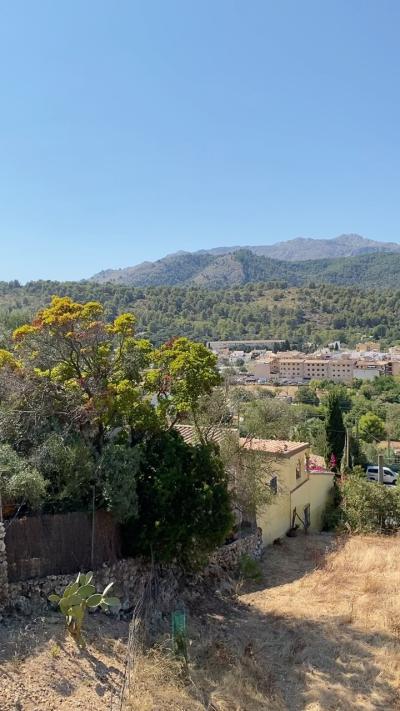
Mallorca, the largest of the Balearic Islands, boasts a Mediterranean climate characterized by hot, dry summers and mild, wet winters. This climate significantly influences the types of plants that thrive on the island. The warm temperatures, averaging around 30°C in the summer, and abundant sunshine create ideal conditions for a variety of drought-resistant plants, such as olive trees, almond trees, and various herbs. These plants have adapted to the climate, developing deep root systems that allow them to access moisture from deeper soil layers during the dry months.
The soil conditions in Mallorca vary widely, from fertile clay and loamy soils in the lowland areas to rocky, shallow soils in the mountainous regions. The presence of limestone, which dominates much of the island's landscape, contributes to the unique mineral composition and drainage characteristics of the soil. This variability allows for a diverse range of vegetation, from lush vineyards in the fertile plains to hardy shrubs and wildflowers in the more arid conditions of the hills. Additionally, the island's agricultural practices reflect these soil conditions, with local farmers cultivating crops that are well-suited to the Mediterranean climate, such as grapes for wine production and various fruits and vegetables.
The interplay between the local climate and soil conditions not only enhances the natural beauty of Mallorca but also supports its rich agricultural heritage. The island's flora is a reflection of its environment, showcasing a stunning array of colors and textures throughout the year. As you explore the lush landscapes and terraced fields, you can appreciate how the unique climate and soil contribute to the island's vibrant ecosystems, making Mallorca a true gem for nature lovers and travelers alike.
The soil conditions in Mallorca vary widely, from fertile clay and loamy soils in the lowland areas to rocky, shallow soils in the mountainous regions. The presence of limestone, which dominates much of the island's landscape, contributes to the unique mineral composition and drainage characteristics of the soil. This variability allows for a diverse range of vegetation, from lush vineyards in the fertile plains to hardy shrubs and wildflowers in the more arid conditions of the hills. Additionally, the island's agricultural practices reflect these soil conditions, with local farmers cultivating crops that are well-suited to the Mediterranean climate, such as grapes for wine production and various fruits and vegetables.
The interplay between the local climate and soil conditions not only enhances the natural beauty of Mallorca but also supports its rich agricultural heritage. The island's flora is a reflection of its environment, showcasing a stunning array of colors and textures throughout the year. As you explore the lush landscapes and terraced fields, you can appreciate how the unique climate and soil contribute to the island's vibrant ecosystems, making Mallorca a true gem for nature lovers and travelers alike.

Cala Figuera
More Fotos