How does the climate affect the vegetation on Mallorca?
Similar Topics
Mallorca climate
Mediterranean vegetation
drought-resistant species
olive trees Mallorca
almond trees Mallorca
wildflowers Mallorca
pine forests
subtropical plants
nature lovers Mallorca
Serra de Tramuntana
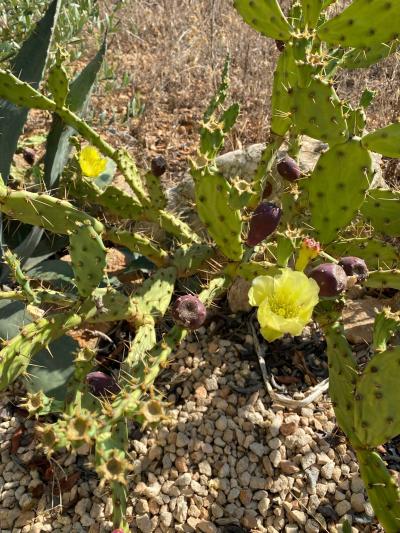
The climate of Mallorca plays a significant role in shaping its diverse vegetation. With a Mediterranean climate characterized by hot, dry summers and mild, wet winters, the island supports a rich variety of plant life. The summer heat can be intense, which leads to the prevalence of drought-resistant species. You'll find aromatic herbs like rosemary and thyme thriving in the rocky, sun-soaked landscapes, while the iconic olive and almond trees dot the countryside, showcasing their resilience in the face of limited water.
In contrast, the winter months bring much-needed rainfall, which nourishes the soil and allows for a burst of greenery. During this time, you’ll notice wildflowers blooming in abundance, creating vibrant patches of color across the hillsides. The lush, fertile areas, particularly in the north and northeast, support more diverse vegetation, including dense pine forests and even subtropical plants in some coastal regions. This variation in climate across the island due to its topography also contributes to different ecosystems, making Mallorca a fascinating destination for nature lovers.
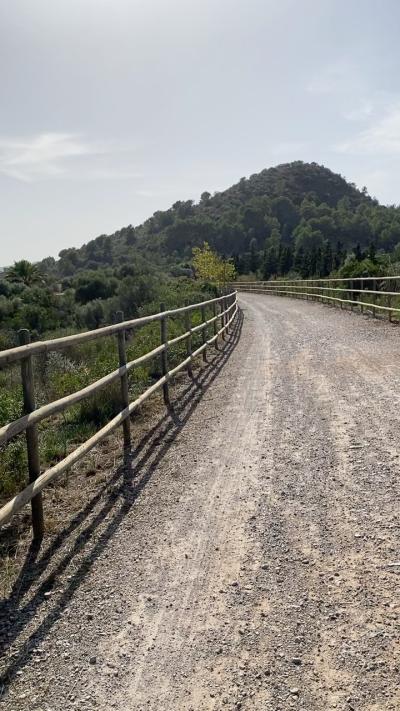
As you explore the island, you’ll encounter not only the stunning coastal landscapes but also the unique flora that thrives in its varied environments. The interplay between the Mediterranean climate and Mallorca's geography results in a beautiful tapestry of vegetation, from the arid, sun-kissed hills to the lush, green valleys. Each season brings its own charm, transforming the landscape and providing an ever-changing backdrop for your adventures. Whether you're hiking through the Serra de Tramuntana mountains or strolling along the coastal paths, the island's vegetation is a testament to the resilience of nature in this beautiful corner of the Mediterranean.
In contrast, the winter months bring much-needed rainfall, which nourishes the soil and allows for a burst of greenery. During this time, you’ll notice wildflowers blooming in abundance, creating vibrant patches of color across the hillsides. The lush, fertile areas, particularly in the north and northeast, support more diverse vegetation, including dense pine forests and even subtropical plants in some coastal regions. This variation in climate across the island due to its topography also contributes to different ecosystems, making Mallorca a fascinating destination for nature lovers.
As you explore the island, you’ll encounter not only the stunning coastal landscapes but also the unique flora that thrives in its varied environments. The interplay between the Mediterranean climate and Mallorca's geography results in a beautiful tapestry of vegetation, from the arid, sun-kissed hills to the lush, green valleys. Each season brings its own charm, transforming the landscape and providing an ever-changing backdrop for your adventures. Whether you're hiking through the Serra de Tramuntana mountains or strolling along the coastal paths, the island's vegetation is a testament to the resilience of nature in this beautiful corner of the Mediterranean.
More Fotos