Did the agricultural practices in Mallorca change with Spain's entry into the EU?
Similar Topics
Mallorca agriculture
EU entry impact
farming modernization
agricultural subsidies
crop diversification
traditional crops Mallorca
organic farming Mallorca
sustainable practices
food safety standards
Mallorcan agricultural products
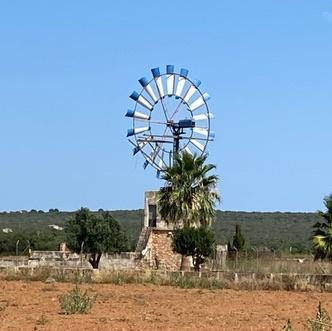
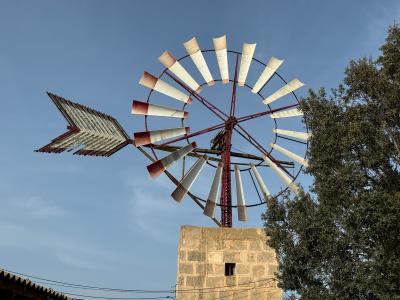
Yes, the agricultural practices in Mallorca underwent significant changes after Spain's entry into the European Union in 1986. The integration into the EU brought about various subsidies and funding opportunities that aimed to modernize farming techniques and enhance productivity. Farmers were encouraged to adopt more efficient methods, which included the use of advanced machinery and improved irrigation systems. This shift not only aimed to increase yields but also to meet the higher standards set by the EU regarding food safety and quality.
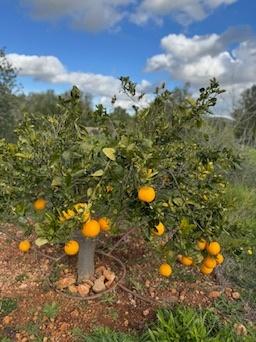
Additionally, the entry into the EU opened up new markets for Mallorcan agricultural products. Traditional crops such as olives, almonds, and tomatoes found broader appeal beyond local consumption, allowing farmers to export their goods more easily. This shift encouraged a diversification of crops, as farmers began experimenting with new varieties that could thrive in Mallorca's unique climate. As a result, the island's agricultural landscape became more varied, incorporating both time-honored practices and modern techniques.
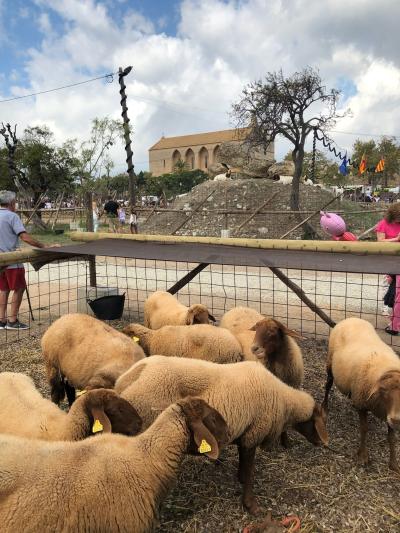
However, these changes also brought challenges. Some small-scale farmers struggled to compete with larger agricultural enterprises that could benefit from economies of scale. There was a growing concern about maintaining the island's traditional farming culture and the preservation of local biodiversity. In response, initiatives aimed at promoting organic farming and sustainable practices have gained traction, allowing some farmers to carve out a niche market that not only respects the island's agricultural heritage but also meets contemporary consumer demands. This evolution in Mallorca's agricultural practices reflects a broader trend of balancing modernization with tradition, ensuring that the island's rich agricultural legacy continues to thrive.
Additionally, the entry into the EU opened up new markets for Mallorcan agricultural products. Traditional crops such as olives, almonds, and tomatoes found broader appeal beyond local consumption, allowing farmers to export their goods more easily. This shift encouraged a diversification of crops, as farmers began experimenting with new varieties that could thrive in Mallorca's unique climate. As a result, the island's agricultural landscape became more varied, incorporating both time-honored practices and modern techniques.
However, these changes also brought challenges. Some small-scale farmers struggled to compete with larger agricultural enterprises that could benefit from economies of scale. There was a growing concern about maintaining the island's traditional farming culture and the preservation of local biodiversity. In response, initiatives aimed at promoting organic farming and sustainable practices have gained traction, allowing some farmers to carve out a niche market that not only respects the island's agricultural heritage but also meets contemporary consumer demands. This evolution in Mallorca's agricultural practices reflects a broader trend of balancing modernization with tradition, ensuring that the island's rich agricultural legacy continues to thrive.
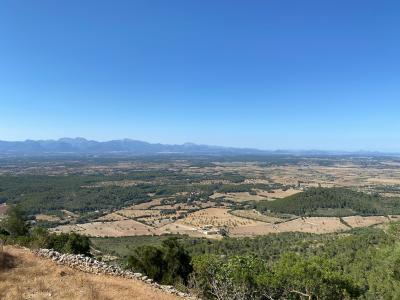
Puig de Randa
More Fotos