How do fire jellyfish affect the overall marine ecosystem around Mallorca?
Similar Topics
fire jellyfish
Pelagia noctiluca
Mallorca marine ecosystem
marine biodiversity
jellyfish blooms
ocean health indicators
sea turtles
fishing activities Mallorca
Mediterranean ecosystem
Mallorca travel
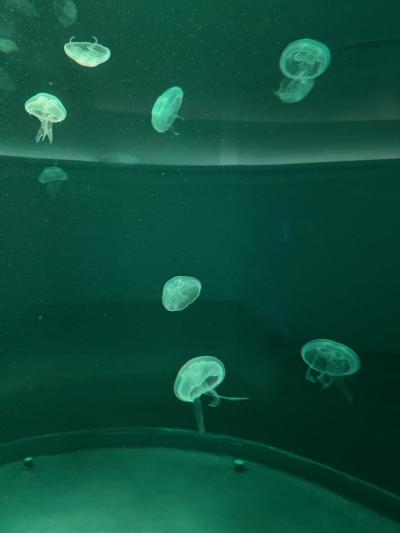
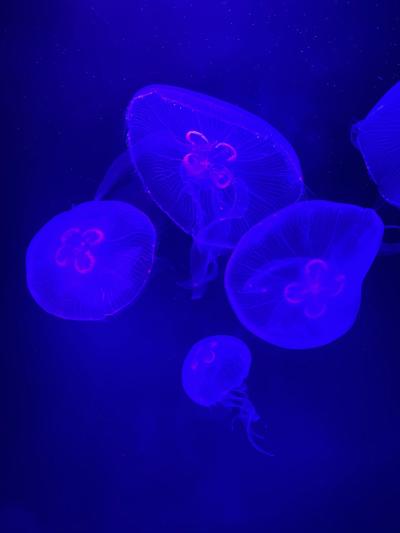
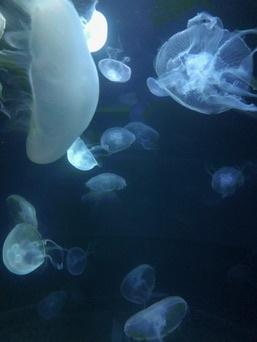
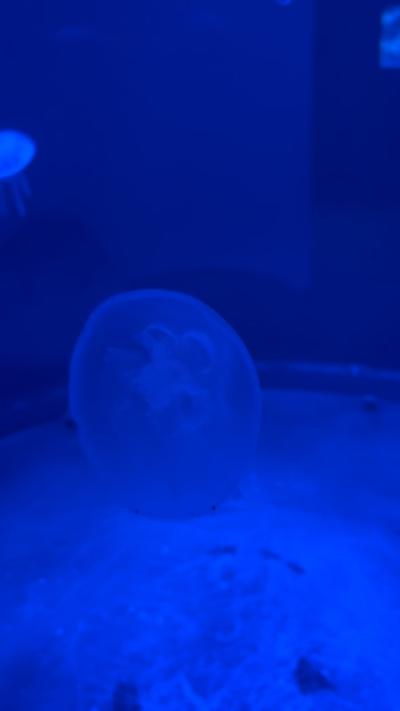
Fire jellyfish, or *Pelagia noctiluca*, play a complex role in the marine ecosystem around Mallorca, contributing both positively and negatively to the local environment. These jellyfish are known for their stunning bioluminescence and can be found in the warm waters surrounding the island, particularly during the summer months. Their presence serves as an indicator of ocean health, often thriving in conditions where other species might struggle, which can signal shifts in water temperature and nutrient availability. As they populate these waters, they become an important food source for various marine animals, including sea turtles and some fish species, helping to maintain the balance of the local food web.
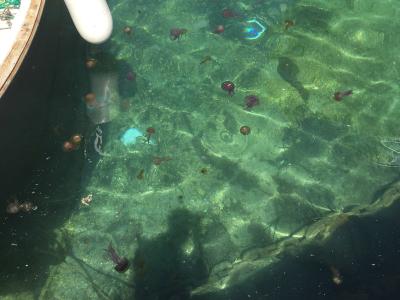
However, the proliferation of fire jellyfish can also lead to challenges within the ecosystem. During certain times of the year, their numbers can increase dramatically, sometimes resulting in jellyfish blooms. These blooms can have detrimental effects on other marine life by competing for food resources, as they consume plankton that many fish rely on for sustenance. Moreover, large swarms of fire jellyfish can disrupt local fishing activities and even impact tourism, as their stings can be painful and deter visitors from enjoying the waters.
In essence, while fire jellyfish are a fascinating component of Mallorca's marine environment, their influence is a double-edged sword. They contribute to marine biodiversity and serve as a crucial link in the food chain, yet their overpopulation can pose challenges to both marine life and human activities. Observing these creatures in their natural habitat can enhance your understanding of the delicate balance within the Mediterranean ecosystem, making your visit to Mallorca even more enriching.
However, the proliferation of fire jellyfish can also lead to challenges within the ecosystem. During certain times of the year, their numbers can increase dramatically, sometimes resulting in jellyfish blooms. These blooms can have detrimental effects on other marine life by competing for food resources, as they consume plankton that many fish rely on for sustenance. Moreover, large swarms of fire jellyfish can disrupt local fishing activities and even impact tourism, as their stings can be painful and deter visitors from enjoying the waters.
In essence, while fire jellyfish are a fascinating component of Mallorca's marine environment, their influence is a double-edged sword. They contribute to marine biodiversity and serve as a crucial link in the food chain, yet their overpopulation can pose challenges to both marine life and human activities. Observing these creatures in their natural habitat can enhance your understanding of the delicate balance within the Mediterranean ecosystem, making your visit to Mallorca even more enriching.
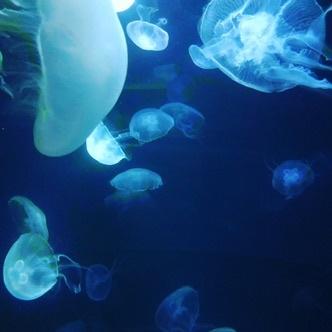
Palma Aquarium
More Fotos