How does local tourism impact the natural habitats in Mallorca?
Similar Topics
Mallorca tourism
natural habitats
eco-friendly practices
Serra de Tramuntana
Albufera Natural Park
sustainable tourism
soil erosion
invasive species
local conservation efforts
responsible travel
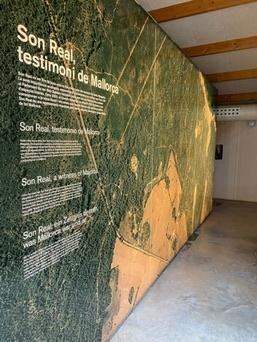
Local tourism in Mallorca plays a significant role in both positively and negatively impacting its natural habitats. The island's stunning landscapes, from its rugged coastlines to lush mountains, attract millions of visitors each year. On one hand, this influx of tourists generates vital revenue that can be channeled into conservation efforts, helping to maintain and protect the unique ecosystems found in places like the Serra de Tramuntana mountain range and the Albufera Natural Park. Tour operators and local businesses often promote eco-friendly practices, such as responsible hiking and wildlife tours, which can raise awareness about the importance of preserving these natural areas.
However, the downside of tourism is also evident, particularly in areas heavily frequented by visitors. Increased foot traffic can lead to soil erosion, damage to sensitive plant species, and disturbance to wildlife habitats. Coastal areas, especially, face challenges from overdevelopment and pollution, as the demand for beach access and amenities expands. Additionally, the introduction of invasive species, often inadvertently brought by tourists, can threaten local flora and fauna, disrupting the delicate balance of these ecosystems.
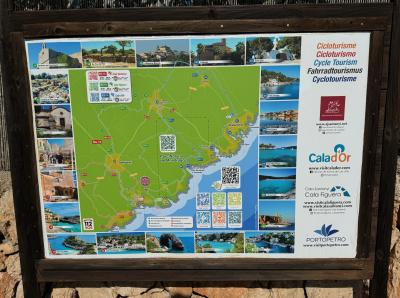
To mitigate these impacts, many local initiatives are being implemented, focusing on sustainable tourism practices. This includes promoting off-peak travel to reduce crowding, encouraging visitors to explore less popular areas, and providing education about the local environment. By fostering a deeper understanding of Mallorca's natural beauty and the challenges it faces, both locals and tourists can work together to protect the island's unique habitats while still enjoying all that Mallorca has to offer. Ultimately, the goal is to strike a balance that allows for the enjoyment of the island's wonders while ensuring their preservation for future generations.
However, the downside of tourism is also evident, particularly in areas heavily frequented by visitors. Increased foot traffic can lead to soil erosion, damage to sensitive plant species, and disturbance to wildlife habitats. Coastal areas, especially, face challenges from overdevelopment and pollution, as the demand for beach access and amenities expands. Additionally, the introduction of invasive species, often inadvertently brought by tourists, can threaten local flora and fauna, disrupting the delicate balance of these ecosystems.
To mitigate these impacts, many local initiatives are being implemented, focusing on sustainable tourism practices. This includes promoting off-peak travel to reduce crowding, encouraging visitors to explore less popular areas, and providing education about the local environment. By fostering a deeper understanding of Mallorca's natural beauty and the challenges it faces, both locals and tourists can work together to protect the island's unique habitats while still enjoying all that Mallorca has to offer. Ultimately, the goal is to strike a balance that allows for the enjoyment of the island's wonders while ensuring their preservation for future generations.
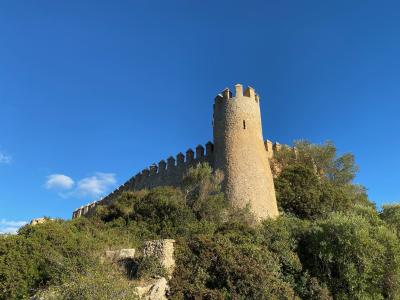
Capdepera Castle
More Fotos