How did losing independence influence Mallorca's relationship with neighboring regions?
Similar Topics
Mallorca history
Crown of Aragon
Balearic Islands
Mediterranean culture
sustainable tourism
Gothic cathedrals
cultural exchange
Mallorca identity
Catalan language
tourist destination
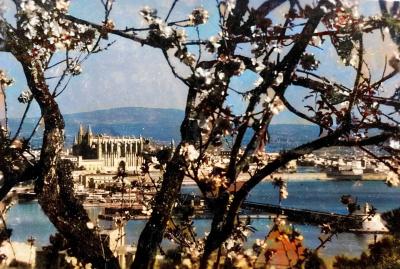
Losing independence significantly shaped Mallorca’s relationship with its neighboring regions, particularly during the periods of conquest and integration into larger political entities. Originally, Mallorca was part of its own independent kingdom, but after the arrival of the Crown of Aragon in the 13th century, it became integrated into a larger political framework. This transition not only altered its governance but also influenced its cultural and economic ties with other parts of the Mediterranean. The new rulers encouraged trade and cultural exchange, leading to a flourishing of arts and architecture, which can still be seen today in the stunning Gothic cathedrals and charming old towns.
As Mallorca became a crucial part of the Crown of Aragon, its relationship with neighboring islands and coastal regions deepened. The islands of Menorca and Ibiza, along with the coastal towns of the mainland, saw increased interaction through trade and shared governance. This period of integration fostered a sense of unity among the Balearic Islands, yet it also meant that Mallorca had to navigate the complexities of local politics and alliances. The influence of the Catalan language and culture became more pronounced during this time, further intertwining Mallorca with its neighboring regions.
In more recent history, the loss of independence has continued to shape Mallorca's identity within Spain and the European Union. The island has embraced its role as a significant tourist destination, which has led to collaboration with other Mediterranean regions to promote cultural heritage and sustainable tourism. This interconnectedness enhances Mallorca’s appeal and allows it to share its unique history with visitors while fostering a sense of regional pride. Through these relationships, Mallorca has transformed its past challenges into opportunities for growth and shared cultural experiences, making it a vibrant part of the Mediterranean tapestry.
As Mallorca became a crucial part of the Crown of Aragon, its relationship with neighboring islands and coastal regions deepened. The islands of Menorca and Ibiza, along with the coastal towns of the mainland, saw increased interaction through trade and shared governance. This period of integration fostered a sense of unity among the Balearic Islands, yet it also meant that Mallorca had to navigate the complexities of local politics and alliances. The influence of the Catalan language and culture became more pronounced during this time, further intertwining Mallorca with its neighboring regions.
In more recent history, the loss of independence has continued to shape Mallorca's identity within Spain and the European Union. The island has embraced its role as a significant tourist destination, which has led to collaboration with other Mediterranean regions to promote cultural heritage and sustainable tourism. This interconnectedness enhances Mallorca’s appeal and allows it to share its unique history with visitors while fostering a sense of regional pride. Through these relationships, Mallorca has transformed its past challenges into opportunities for growth and shared cultural experiences, making it a vibrant part of the Mediterranean tapestry.

More Fotos