How did the community of Deià change after the arrival of Robert Graves?
Similar Topics
Deià
Robert Graves
literary pilgrimage
Tramuntana mountains
Mediterranean coastline
artistic community
cultural significance
local economy
scenic beauty
creative hub
The arrival of Robert Graves in the picturesque village of Deià in the 1930s marked a significant turning point for the community. Graves, an acclaimed English poet and author, brought not only his literary prowess but also a vibrant cultural presence that attracted other artists and intellectuals to the area. His home, which he named “Ca N’Alluny,” became a gathering place for a creative community, fostering a sense of inspiration and collaboration that had previously been absent. As a result, Deià began to transform from a quiet, isolated village into a burgeoning hub for artists, writers, and thinkers, all drawn by its stunning landscapes and tranquil atmosphere.
This influx of creative minds contributed to a shift in the local economy and social fabric. Many locals began to cater to the needs of the new residents and visitors, opening cafes, galleries, and boutiques that celebrated both local culture and the arts. The village's charm and scenic beauty were highlighted, leading to a growing appreciation for its heritage and surroundings. While some traditional aspects of Deià remained, the influence of Graves and his contemporaries revitalized the community, instilling a sense of pride in its artistic legacy.
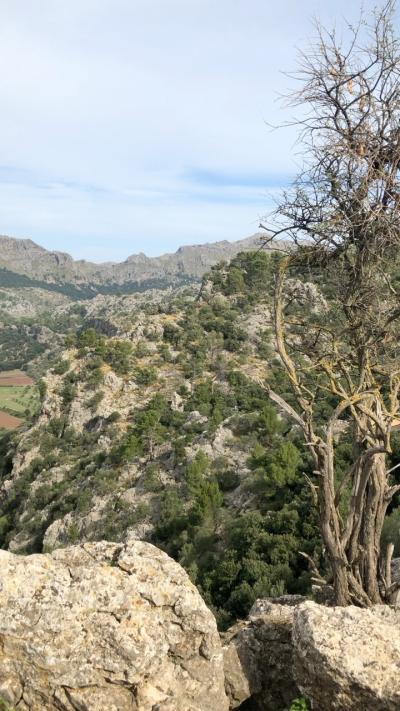
Moreover, the literary and cultural significance of Deià grew, as Graves' work often drew inspiration from the natural beauty of the Tramuntana mountains and the Mediterranean coastline. His poetry and prose helped to place Deià on the map as a place of literary pilgrimage, attracting tourists and literary enthusiasts who wanted to connect with the scenery that inspired such profound creativity. While the village has evolved over the decades, the legacy of Robert Graves continues to be felt, as the artistic spirit he nurtured remains an integral part of Deià's identity today.
This influx of creative minds contributed to a shift in the local economy and social fabric. Many locals began to cater to the needs of the new residents and visitors, opening cafes, galleries, and boutiques that celebrated both local culture and the arts. The village's charm and scenic beauty were highlighted, leading to a growing appreciation for its heritage and surroundings. While some traditional aspects of Deià remained, the influence of Graves and his contemporaries revitalized the community, instilling a sense of pride in its artistic legacy.
Moreover, the literary and cultural significance of Deià grew, as Graves' work often drew inspiration from the natural beauty of the Tramuntana mountains and the Mediterranean coastline. His poetry and prose helped to place Deià on the map as a place of literary pilgrimage, attracting tourists and literary enthusiasts who wanted to connect with the scenery that inspired such profound creativity. While the village has evolved over the decades, the legacy of Robert Graves continues to be felt, as the artistic spirit he nurtured remains an integral part of Deià's identity today.
Lluc
More Fotos