What inspired the design of the Palma Cathedral?
Similar Topics
Palma Cathedral
La Seu
Gothic architecture
Mallorca history
Antoni Gaudí
stained-glass windows
Mallorca culture
architectural design
Christian reconquest
local materials
The design of Palma Cathedral, officially known as La Seu, was profoundly inspired by the Gothic architectural style that flourished in Europe during the Middle Ages. Construction began in 1230 under King James I of Aragon, who envisioned a grand structure to symbolize the Christian reconquest of the island from Muslim rule. This ambition is reflected in the cathedral's towering structure and intricate details, which serve both a spiritual purpose and a representation of power. The soaring heights and pointed arches typical of Gothic architecture were meant to evoke a sense of the divine, drawing the eyes upward and inviting contemplation.
Another significant influence on the cathedral's design came from the natural beauty of Mallorca itself. The site chosen for the cathedral overlooks the bay, allowing visitors to appreciate the stunning views and the interplay between the landscape and the architectural elements. The use of local materials, such as sandstone, adds to the building's harmony with its surroundings. Additionally, the incorporation of the modernist touches by architect Antoni Gaudí in the early 20th century further enriched its design, blending traditional Gothic elements with innovative ideas, such as the colorful stained-glass windows that bathe the interior in a kaleidoscope of light.
In essence, the Palma Cathedral is not just an architectural marvel; it is a testament to the island's history and culture. The layers of influence—from the Gothic roots to the integration of local artistry—create a unique narrative that continues to captivate visitors. As you wander through its majestic spaces, you can truly appreciate how each element contributes to a greater understanding of Mallorca's past and its enduring spirit.
Another significant influence on the cathedral's design came from the natural beauty of Mallorca itself. The site chosen for the cathedral overlooks the bay, allowing visitors to appreciate the stunning views and the interplay between the landscape and the architectural elements. The use of local materials, such as sandstone, adds to the building's harmony with its surroundings. Additionally, the incorporation of the modernist touches by architect Antoni Gaudí in the early 20th century further enriched its design, blending traditional Gothic elements with innovative ideas, such as the colorful stained-glass windows that bathe the interior in a kaleidoscope of light.
In essence, the Palma Cathedral is not just an architectural marvel; it is a testament to the island's history and culture. The layers of influence—from the Gothic roots to the integration of local artistry—create a unique narrative that continues to captivate visitors. As you wander through its majestic spaces, you can truly appreciate how each element contributes to a greater understanding of Mallorca's past and its enduring spirit.

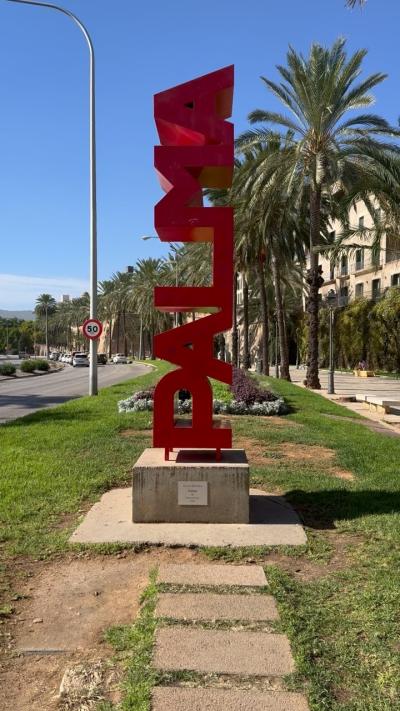
Palma
More Fotos


Related Questions
Related Question
Is there a specific time of day when it's best to experience local dining culture in Mallorca?
Related Question
What are some unique or themed sandcastle competitions that take place in Mallorca?
Related Question
Are there any amenities available at the beach, like showers or restrooms?