What is the difference between Jamón Ibérico and other types of ham?
Similar Topics
Jamón Ibérico
cured ham
Iberian pig
Spanish ham
montanera
acorn-fed
Serrano ham
ham curing process
Spanish culinary heritage
gourmet delicacy
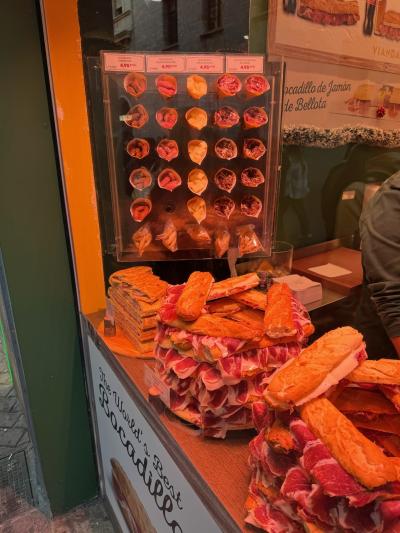
Jamón Ibérico is a type of cured ham that hails from Spain, and it is particularly distinguished by its production methods and the breed of pig from which it is derived. The main difference lies in the breed; Jamón Ibérico is made from the Iberian pig, a native breed known for its unique ability to store fat, which greatly enhances the flavor and texture of the ham. This breed is often raised in a free-range environment, feeding primarily on acorns during the period known as "montanera," which contributes to the ham’s rich, nutty flavor and marbled appearance. In contrast, other types of ham, such as Prosciutto from Italy or American country ham, are made from different breeds of pigs and often have different curing processes and flavor profiles.
The curing process for Jamón Ibérico is also more extensive and traditional compared to other hams. After the pigs are slaughtered, the hams are salted and then air-dried for several months to up to four years, depending on the specific type of Jamón Ibérico. This lengthy aging process allows the flavors to develop deeply, resulting in a complex taste that is often described as sweet, savory, and earthy. Other hams, like Serrano, which is another Spanish variety, tend to have a shorter curing time and a less intricate flavor profile due to differences in the pig breed and the curing environment.
Additionally, there are different categories of Jamón Ibérico, such as Jamón Ibérico de Bellota, which signifies that the pigs were fed a diet primarily of acorns, enhancing both the flavor and the quality of the meat. This level of detail and care in production is what sets Jamón Ibérico apart from other types of ham, making it a sought-after delicacy worldwide. When in Spain, indulging in a slice of Jamón Ibérico is not just about tasting a product; it’s an experience steeped in tradition, culture, and the artistry of Spanish culinary heritage.
The curing process for Jamón Ibérico is also more extensive and traditional compared to other hams. After the pigs are slaughtered, the hams are salted and then air-dried for several months to up to four years, depending on the specific type of Jamón Ibérico. This lengthy aging process allows the flavors to develop deeply, resulting in a complex taste that is often described as sweet, savory, and earthy. Other hams, like Serrano, which is another Spanish variety, tend to have a shorter curing time and a less intricate flavor profile due to differences in the pig breed and the curing environment.
Additionally, there are different categories of Jamón Ibérico, such as Jamón Ibérico de Bellota, which signifies that the pigs were fed a diet primarily of acorns, enhancing both the flavor and the quality of the meat. This level of detail and care in production is what sets Jamón Ibérico apart from other types of ham, making it a sought-after delicacy worldwide. When in Spain, indulging in a slice of Jamón Ibérico is not just about tasting a product; it’s an experience steeped in tradition, culture, and the artistry of Spanish culinary heritage.
Palma
More Fotos