How did Jaume I’s conquest of Mallorca influence the island's culture and architecture?
Similar Topics
Jaume I conquest
Mallorca culture
Mallorca architecture
Gothic style Mallorca
Moorish influence
Cathedral of Santa Maria Palma
Almudaina Palace
Catalan traditions
Mallorca cuisine
historical convergence
Jaume I's conquest of Mallorca in 1229 marked a significant turning point for the island, shaping its culture and architecture in profound ways. As part of the broader Reconquista, his arrival not only aimed to reclaim the territory from Muslim rule but also to establish Christian dominance, which led to a cultural fusion that is still evident today. The influx of settlers from the Catalan region brought new customs, language, and religious practices, effectively intertwining with the existing Moorish influences. This blend created a unique cultural tapestry, where local traditions merged with those of the Catalans, enriching the island's identity.
Architecturally, Jaume I's legacy is most vividly seen in the construction of churches and fortifications that reflect both Gothic and Moorish styles. The iconic Cathedral of Santa Maria of Palma, known as La Seu, stands as a testament to this melding of influences, showcasing stunning Gothic features alongside elements reminiscent of Islamic design. Additionally, the fortifications built during his reign, such as the Almudaina Palace, were not just military structures but also symbols of power and religious significance. These buildings laid the foundation for what would become a series of architectural developments across the island, with many towns featuring charming stone structures that echo this historical convergence.
The impact of Jaume I's conquest extended beyond architecture and into the arts, cuisine, and social customs of Mallorca. The integration of Catalan language and traditions influenced local folklore, music, and festivals, which continue to be celebrated today. The island's culinary scene, too, reflects this rich history, with dishes that combine Mediterranean ingredients and techniques from both Catalan and Moorish heritages. As you wander through the picturesque streets of Palma and beyond, you can feel the echoes of this transformative period in every corner, making Mallorca a living museum of its vibrant past.
Architecturally, Jaume I's legacy is most vividly seen in the construction of churches and fortifications that reflect both Gothic and Moorish styles. The iconic Cathedral of Santa Maria of Palma, known as La Seu, stands as a testament to this melding of influences, showcasing stunning Gothic features alongside elements reminiscent of Islamic design. Additionally, the fortifications built during his reign, such as the Almudaina Palace, were not just military structures but also symbols of power and religious significance. These buildings laid the foundation for what would become a series of architectural developments across the island, with many towns featuring charming stone structures that echo this historical convergence.
The impact of Jaume I's conquest extended beyond architecture and into the arts, cuisine, and social customs of Mallorca. The integration of Catalan language and traditions influenced local folklore, music, and festivals, which continue to be celebrated today. The island's culinary scene, too, reflects this rich history, with dishes that combine Mediterranean ingredients and techniques from both Catalan and Moorish heritages. As you wander through the picturesque streets of Palma and beyond, you can feel the echoes of this transformative period in every corner, making Mallorca a living museum of its vibrant past.
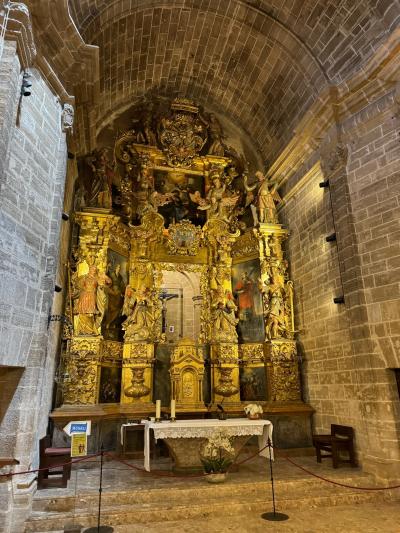
Alcúdia
More Fotos