How do the Jugendstil buildings in Palma compare to those in other European cities?
Similar Topics
Jugendstil Palma
Art Nouveau Mallorca
Palma architecture
Gran Hotel Palma
Mediterranean charm
Balearic buildings
Palma urban fabric
Palma city evolution
European Jugendstil
Palma cultural identity
The Jugendstil movement, known as Art Nouveau in many parts of Europe, finds a unique expression in Palma, Mallorca, where the local adaptation is infused with Mediterranean charm. In comparison to other European cities like Vienna or Barcelona, Palma's Jugendstil buildings are often characterized by their use of vibrant colors and organic forms that reflect the island's natural beauty. While cities like Vienna showcase the movement through elaborate facades and intricate ironwork, Palma's buildings often feature softer lines and floral motifs that harmonize with the surrounding landscapes and the sea.
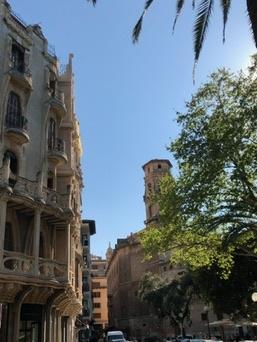
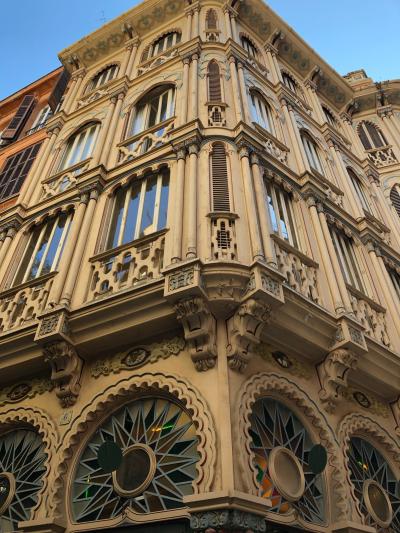
Palma's most notable example of Jugendstil architecture is the Gran Hotel, which stands out with its elegant curves and decorative tiles, showcasing the city's commitment to artistry and craftsmanship. Unlike the more monumental structures found in cities like Brussels, where the style often emphasizes grandeur, Palma's Jugendstil is more intimate, blending seamlessly into the urban fabric and inviting casual exploration. The influence of local materials, such as limestone and ceramics, further distinguishes Palma's interpretation, giving these buildings a warmth and character that is distinctly Balearic.
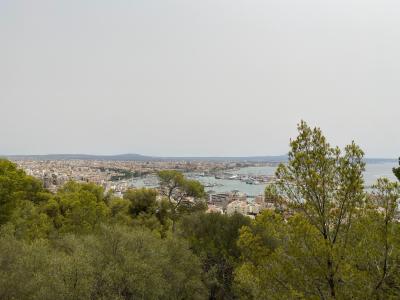
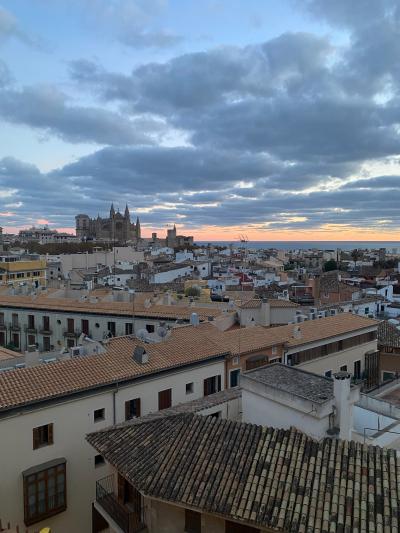
As you wander through Palma, you’ll notice how the Jugendstil elements are often interwoven with other architectural styles, creating a rich tapestry that tells the story of the city’s evolution. This blend is less pronounced in cities that embraced the movement more strictly, allowing Palma to maintain a unique identity. Ultimately, experiencing Palma’s Jugendstil architecture offers not just a glimpse into a specific artistic movement, but also an appreciation for how local culture and environment shape architectural expression.
Palma's most notable example of Jugendstil architecture is the Gran Hotel, which stands out with its elegant curves and decorative tiles, showcasing the city's commitment to artistry and craftsmanship. Unlike the more monumental structures found in cities like Brussels, where the style often emphasizes grandeur, Palma's Jugendstil is more intimate, blending seamlessly into the urban fabric and inviting casual exploration. The influence of local materials, such as limestone and ceramics, further distinguishes Palma's interpretation, giving these buildings a warmth and character that is distinctly Balearic.
As you wander through Palma, you’ll notice how the Jugendstil elements are often interwoven with other architectural styles, creating a rich tapestry that tells the story of the city’s evolution. This blend is less pronounced in cities that embraced the movement more strictly, allowing Palma to maintain a unique identity. Ultimately, experiencing Palma’s Jugendstil architecture offers not just a glimpse into a specific artistic movement, but also an appreciation for how local culture and environment shape architectural expression.
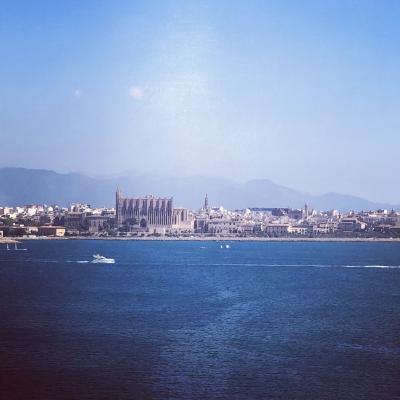
Palma de Mallorca
More Fotos