What were the key industries in Mallorca before the rise of tourism?
Similar Topics
Mallorca agriculture
Mallorca fishing
Mallorca textile production
olive oil production
Mallorca vineyards
traditional crafts Mallorca
Mallorca cuisine
Mediterranean climate Mallorca
Mallorca local markets
Mallorca festivals
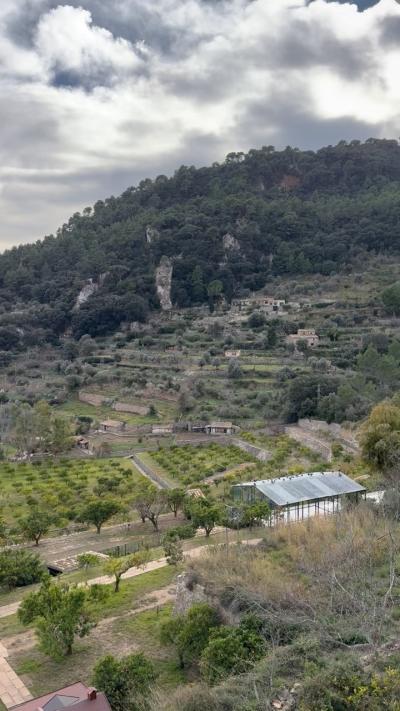
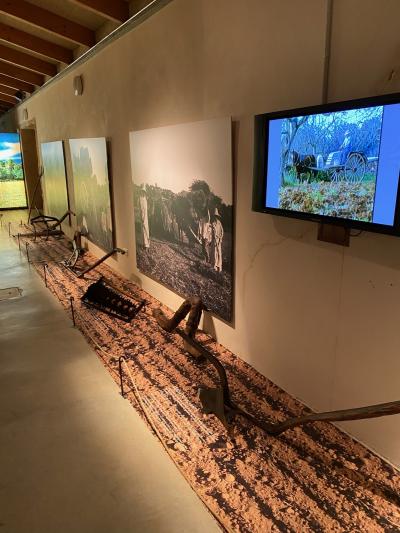
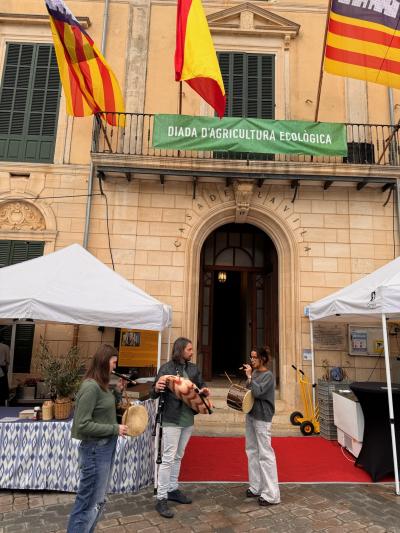
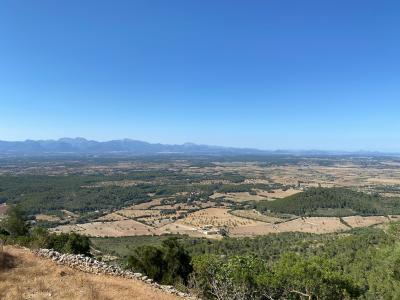
Before the rise of tourism transformed Mallorca into a popular holiday destination, the island's economy was primarily driven by agriculture and fishing. The fertile land of Mallorca allowed for the cultivation of various crops, with olives, grapes, and almonds being particularly significant. Olive oil production was a cornerstone of the agricultural sector, as the island's Mediterranean climate provided ideal conditions for olive groves. In addition to olives, the vineyards produced wine that was not only consumed locally but also exported to the mainland and other regions. These agricultural practices were deeply intertwined with the island's culture and traditions, influencing everything from local cuisine to annual festivals.
Another important industry was textile production, particularly in the form of traditional crafts and garments. The island was known for its high-quality fabrics, and many families engaged in weaving and sewing as a means of livelihood. This craftsmanship has not only played a role in the local economy but also contributed to the vibrant heritage of Mallorca, as many artisans still produce handmade goods that reflect the island's rich history. Fishing also held significance, with local fishermen relying on the sea for their sustenance and trade. The coastal towns bustled with activity as boats returned with their daily catch, providing fresh seafood for the island's markets and restaurants.
As the mid-20th century approached, shifts in the global economy and changes in societal structures began to pave the way for tourism to take center stage. While agriculture and fishing laid the foundations of Mallorca's economy, the allure of its stunning landscapes and mild climate soon attracted visitors from across Europe. This transition marked a significant change in the island's identity, but the echoes of its agricultural and artisanal past remain evident in the local culture, festivals, and culinary traditions that continue to thrive alongside modern tourism.
Another important industry was textile production, particularly in the form of traditional crafts and garments. The island was known for its high-quality fabrics, and many families engaged in weaving and sewing as a means of livelihood. This craftsmanship has not only played a role in the local economy but also contributed to the vibrant heritage of Mallorca, as many artisans still produce handmade goods that reflect the island's rich history. Fishing also held significance, with local fishermen relying on the sea for their sustenance and trade. The coastal towns bustled with activity as boats returned with their daily catch, providing fresh seafood for the island's markets and restaurants.
As the mid-20th century approached, shifts in the global economy and changes in societal structures began to pave the way for tourism to take center stage. While agriculture and fishing laid the foundations of Mallorca's economy, the allure of its stunning landscapes and mild climate soon attracted visitors from across Europe. This transition marked a significant change in the island's identity, but the echoes of its agricultural and artisanal past remain evident in the local culture, festivals, and culinary traditions that continue to thrive alongside modern tourism.
More Fotos