How does the language spoken in tourist hotspots compare to rural areas in Mallorca?
Similar Topics
Mallorca language
Mallorquín dialect
Palma tourism
Magaluf attractions
Alcúdia travel
rural Mallorca
Spanish language Mallorca
Mallorca culture
tourist hotspots Mallorca
local communication Mallorca
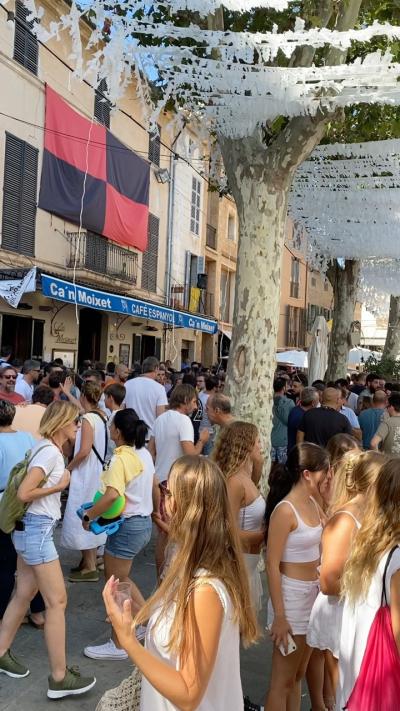
In Mallorca, the language landscape varies significantly between tourist hotspots and rural areas. In popular destinations such as Palma, Magaluf, and Alcúdia, you will find a diverse mix of languages spoken, largely due to the influx of international visitors. English is widely used in hotels, restaurants, and shops, making it easy for travelers to communicate. Additionally, many locals in these areas speak multiple languages, including Spanish and Catalan, which is the island's official language, often referred to as Mallorquín. This multilingual environment caters to the needs of tourists, creating a welcoming atmosphere for those who may not speak Spanish.
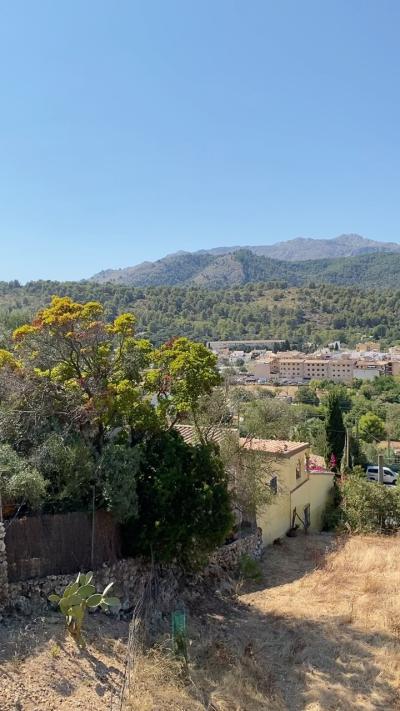
In contrast, rural areas of Mallorca tend to be more traditional and less influenced by tourism. Here, the primary languages spoken are Mallorquín and Spanish, with English being less common among the local population. In these charming villages, you'll likely encounter older residents who may primarily communicate in Mallorquín, a dialect with its own unique characteristics. While younger generations, especially those in agricultural communities, are increasingly learning English, the overall language experience remains more localized. This can offer a wonderful opportunity for travelers to engage more deeply with local culture, as they might need to rely on basic Spanish or even learn a few phrases in Mallorquín to enhance their interactions with the friendly locals.
Visiting both the bustling tourist areas and the serene countryside allows you to appreciate the rich linguistic tapestry of Mallorca, highlighting the contrast between the globalized hospitality of popular destinations and the authentic, traditional charm of rural life. Whether you're ordering a meal in a seaside café or chatting with a farmer in a picturesque village, you'll find that language serves as a bridge to connect with the island's vibrant culture and warm-hearted people.
In contrast, rural areas of Mallorca tend to be more traditional and less influenced by tourism. Here, the primary languages spoken are Mallorquín and Spanish, with English being less common among the local population. In these charming villages, you'll likely encounter older residents who may primarily communicate in Mallorquín, a dialect with its own unique characteristics. While younger generations, especially those in agricultural communities, are increasingly learning English, the overall language experience remains more localized. This can offer a wonderful opportunity for travelers to engage more deeply with local culture, as they might need to rely on basic Spanish or even learn a few phrases in Mallorquín to enhance their interactions with the friendly locals.
Visiting both the bustling tourist areas and the serene countryside allows you to appreciate the rich linguistic tapestry of Mallorca, highlighting the contrast between the globalized hospitality of popular destinations and the authentic, traditional charm of rural life. Whether you're ordering a meal in a seaside café or chatting with a farmer in a picturesque village, you'll find that language serves as a bridge to connect with the island's vibrant culture and warm-hearted people.

Cala Figuera
More Fotos