How has the legacy of the Kingdom of Mallorca affected modern-day Mallorca?
Similar Topics
Kingdom of Mallorca
Mallorca history
Palma Cathedral
Mallorca culture
Mediterranean trade
Gothic architecture
Mallorca tourism
historic sites Mallorca
Mallorca festivals
traditional villages Mallorca
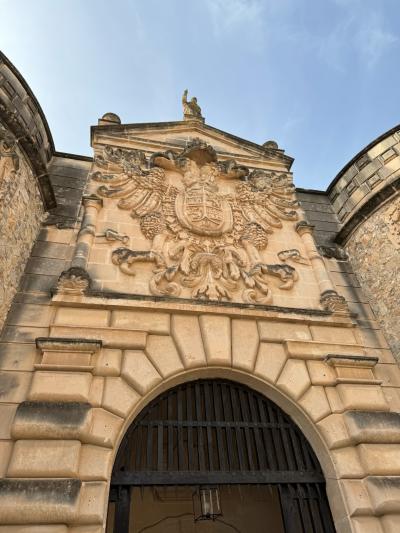
The legacy of the Kingdom of Mallorca, which thrived during the medieval period, continues to shape the island's identity and culture in profound ways. Established in the 13th century after the Reconquista, the kingdom became a significant player in Mediterranean trade and politics. This historical backdrop laid the foundation for a rich cultural tapestry that is evident today in Mallorca's architecture, gastronomy, and festivals. The influence of various cultures, including Arab, Catalan, and Italian, created a unique blend that can be seen in the island's stunning Gothic cathedrals, traditional stone villages, and vibrant markets.
Modern-day Mallorca embraces this legacy through its commitment to preserving its historical sites and celebrating its diverse heritage. The iconic La Seu Cathedral in Palma, constructed during the kingdom's height, remains a focal point for both locals and visitors, showcasing the island's architectural prowess. Furthermore, the island's numerous fiestas, such as Sant Joan and the Moors and Christians festival, reflect the historical interplay of cultures and continue to draw crowds eager to experience the unique traditions that have endured over the centuries.
Tourism, a vital part of the island's economy, has also been influenced by this rich legacy. Many visitors are drawn not only to Mallorca's stunning beaches but also to its historical landmarks and picturesque towns. Exploring the island's charming sites, such as the ancient city of Alcúdia or the historic fishing village of Sóller, allows travelers to connect with the island's past while enjoying its natural beauty. As a result, Mallorca today is a harmonious blend of past and present, where the echoes of the Kingdom of Mallorca can still be felt in the vibrant life of the island.
Modern-day Mallorca embraces this legacy through its commitment to preserving its historical sites and celebrating its diverse heritage. The iconic La Seu Cathedral in Palma, constructed during the kingdom's height, remains a focal point for both locals and visitors, showcasing the island's architectural prowess. Furthermore, the island's numerous fiestas, such as Sant Joan and the Moors and Christians festival, reflect the historical interplay of cultures and continue to draw crowds eager to experience the unique traditions that have endured over the centuries.
Tourism, a vital part of the island's economy, has also been influenced by this rich legacy. Many visitors are drawn not only to Mallorca's stunning beaches but also to its historical landmarks and picturesque towns. Exploring the island's charming sites, such as the ancient city of Alcúdia or the historic fishing village of Sóller, allows travelers to connect with the island's past while enjoying its natural beauty. As a result, Mallorca today is a harmonious blend of past and present, where the echoes of the Kingdom of Mallorca can still be felt in the vibrant life of the island.
More Fotos