Are there any local regulations or restrictions for Airbnb hosts in Palma?
Similar Topics
Palma Airbnb regulations
Balearic Islands short-term rental
Airbnb host license Palma
Palma property registration
Palma tourism sustainability
short-term rental limits
Palma noise regulations
Airbnb compliance Palma
local ordinances Palma
responsible tourism Mallorca
In Palma, there are indeed specific local regulations that Airbnb hosts must adhere to in order to operate legally. The Balearic Islands, including Palma, have implemented measures to manage the short-term rental market and ensure that it aligns with local housing needs and tourism sustainability. One of the primary requirements is that hosts must register their properties with the Balearic Tourism Agency and obtain a specific license number, which should be included in any online listings. This registration helps to ensure that the properties meet safety and quality standards, providing a level of assurance for guests.
Additionally, there are restrictions on the number of days a property can be rented out, particularly for those that are not the host's primary residence. For instance, if a host is renting out a secondary property, there are limits on how many days per year it can be offered for short-term stays. Furthermore, hosts must comply with noise regulations and ensure they are not disturbing the neighbors, which is particularly important in densely populated areas. It’s also worth noting that some neighborhoods may have stricter rules than others, so it's advisable for potential hosts to check for specific local ordinances that might apply to their area.
These regulations are in place to protect both residents and visitors, and compliance is essential for anyone looking to list their property on platforms like Airbnb. For travelers, understanding these regulations can enhance the experience, as staying in a legally registered property often means a higher standard of accommodation and adherence to local laws. Overall, while there are some restrictions, they are designed to promote responsible tourism and ensure a harmonious coexistence between visitors and the local community.
Additionally, there are restrictions on the number of days a property can be rented out, particularly for those that are not the host's primary residence. For instance, if a host is renting out a secondary property, there are limits on how many days per year it can be offered for short-term stays. Furthermore, hosts must comply with noise regulations and ensure they are not disturbing the neighbors, which is particularly important in densely populated areas. It’s also worth noting that some neighborhoods may have stricter rules than others, so it's advisable for potential hosts to check for specific local ordinances that might apply to their area.
These regulations are in place to protect both residents and visitors, and compliance is essential for anyone looking to list their property on platforms like Airbnb. For travelers, understanding these regulations can enhance the experience, as staying in a legally registered property often means a higher standard of accommodation and adherence to local laws. Overall, while there are some restrictions, they are designed to promote responsible tourism and ensure a harmonious coexistence between visitors and the local community.

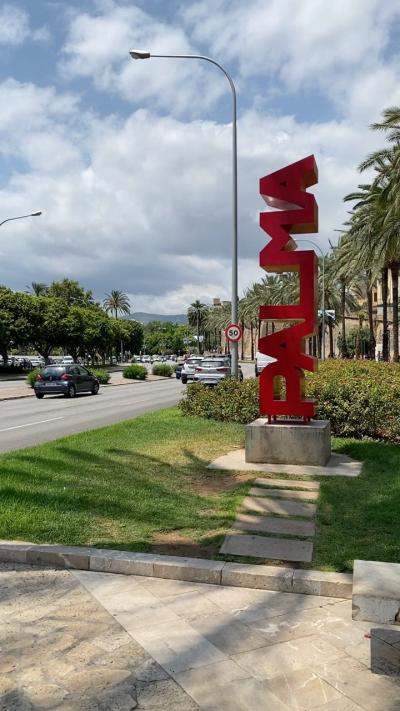
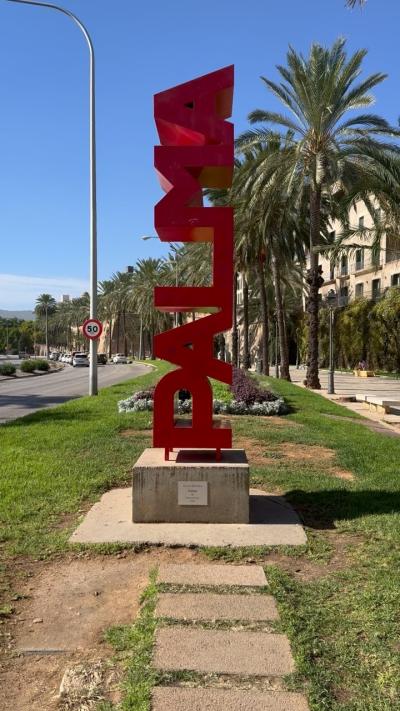
Palma
More Fotos