How does the local climate impact the bird population on Mallorca?
Similar Topics
Mallorca birdwatching
Mediterranean climate
migratory birds Mallorca
endemic species Mallorca
bird populations Mallorca
climate impact on wildlife
Balearic shearwater
Eleonora's falcon
Mallorca ecosystems
birdwatching experience Mallorca
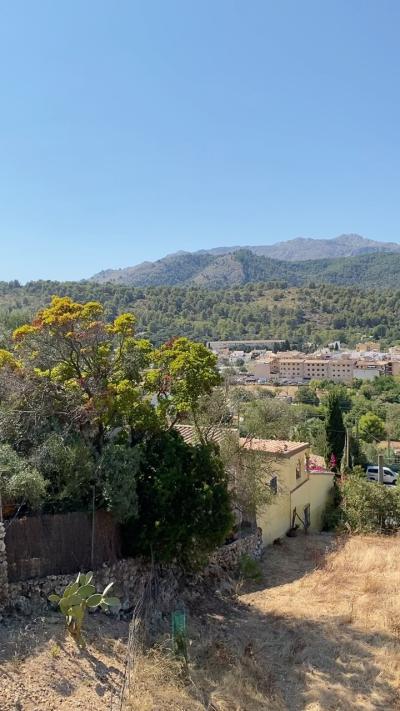
The climate of Mallorca plays a significant role in shaping its bird population, influencing both the variety of species found on the island and their behaviors throughout the year. With a Mediterranean climate characterized by hot, dry summers and mild, wet winters, the island creates a unique habitat that attracts many migratory birds. During the spring and autumn months, thousands of birds pass through Mallorca as they travel between their breeding and wintering grounds, taking advantage of the island's strategic location in the Mediterranean. This seasonal influx enriches the local avifauna, providing birdwatchers with the opportunity to observe a diverse array of species.
Moreover, the warm temperatures and ample sunshine contribute to a rich ecosystem that supports various habitats, from wetlands to forests and coastal areas. These environments provide essential resources such as food and nesting sites for both resident and migratory birds. The presence of endemic species, like the Balearic shearwater and the Eleonora's falcon, highlights how the local climate fosters unique wildlife adapted to the island's specific conditions. Changes in climate patterns, such as increased temperatures or altered rainfall, can also impact the availability of food sources, potentially affecting bird populations and their migration patterns in the future.
As visitors explore Mallorca, they will find that the island's climate not only shapes its stunning landscapes but also creates a vibrant birdwatching experience, with opportunities to engage with avian life throughout the year. Whether it’s the vibrant songbirds in the lush countryside during spring or the majestic birds of prey soaring over the cliffs in summer, the interplay between climate and bird populations adds a dynamic layer to the island's natural beauty.
Moreover, the warm temperatures and ample sunshine contribute to a rich ecosystem that supports various habitats, from wetlands to forests and coastal areas. These environments provide essential resources such as food and nesting sites for both resident and migratory birds. The presence of endemic species, like the Balearic shearwater and the Eleonora's falcon, highlights how the local climate fosters unique wildlife adapted to the island's specific conditions. Changes in climate patterns, such as increased temperatures or altered rainfall, can also impact the availability of food sources, potentially affecting bird populations and their migration patterns in the future.
As visitors explore Mallorca, they will find that the island's climate not only shapes its stunning landscapes but also creates a vibrant birdwatching experience, with opportunities to engage with avian life throughout the year. Whether it’s the vibrant songbirds in the lush countryside during spring or the majestic birds of prey soaring over the cliffs in summer, the interplay between climate and bird populations adds a dynamic layer to the island's natural beauty.

Cala Figuera
More Fotos