How does the local culture influence the architectural styles in Mallorca?
Similar Topics
Mallorca architecture
local culture Mallorca
historical influences Mallorca
Mediterranean climate architecture
traditional fincas
fisherman's houses Mallorca
cultural festivals Mallorca
public art installations Mallorca
Palma architecture
Sóller cultural heritage
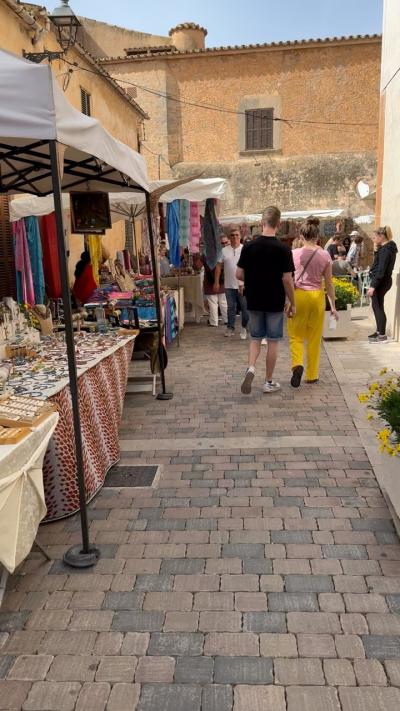
Mallorca's architectural styles are deeply intertwined with its rich local culture, reflecting a blend of historical influences, natural elements, and the island's vibrant traditions. The island's history, marked by the influence of the Moors and later the Catalans, has left an indelible mark on its buildings. You can see this in the intricate stonework and decorative arches that adorn many structures, showcasing the craftsmanship that has been passed down through generations. The use of local materials, such as limestone, not only connects the buildings to the island's landscape but also demonstrates the resourceful nature of its people, who have adapted their designs to suit the Mediterranean climate.
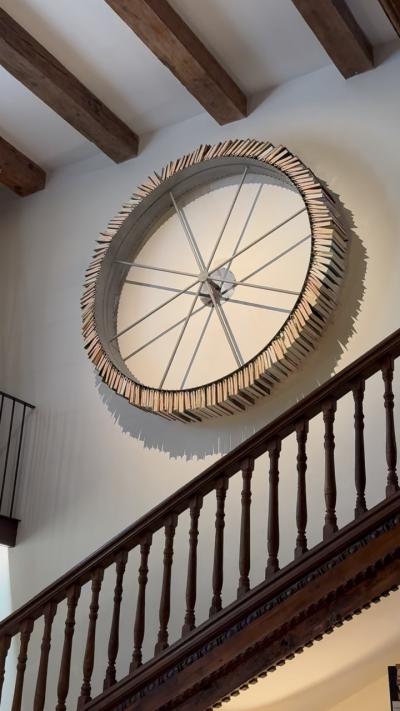
In addition to historical influences, Mallorca's architectural styles are also shaped by the island's pastoral culture and its stunning natural environment. Traditional fincas, or farmhouses, often feature earthy tones and rustic designs, harmonizing beautifully with the surrounding countryside. These structures typically incorporate features like wooden beams and terracotta tiles, which reflect the island's agricultural heritage. Furthermore, the coastal towns are dotted with charming fisherman’s houses, painted in bright colors, that echo the vibrant lifestyle of the local fishing communities. This connection to the sea is evident in the nautical themes found in many coastal buildings and public spaces.
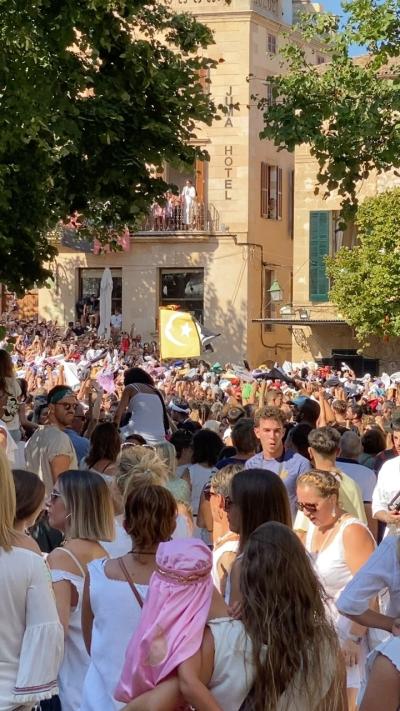
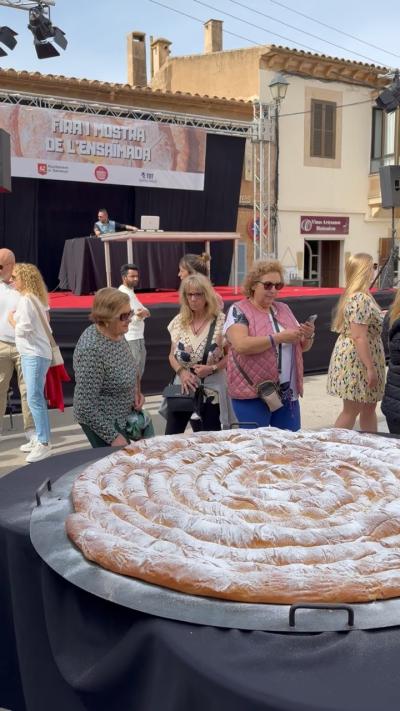
The cultural festivals and artistic expressions of Mallorca also play a role in shaping its architecture. The island is known for its lively celebrations, which often inspire public art installations and the decoration of buildings during festivities. This blend of art and architecture creates an environment that is both functional and aesthetically pleasing. As a visitor, you can appreciate how these cultural elements come together in the streets of towns like Palma and Sóller, where every corner seems to tell a story of the past while embracing the present. The result is a unique architectural tapestry that not only serves as a feast for the eyes but also invites you to delve deeper into the island's rich cultural narrative.
In addition to historical influences, Mallorca's architectural styles are also shaped by the island's pastoral culture and its stunning natural environment. Traditional fincas, or farmhouses, often feature earthy tones and rustic designs, harmonizing beautifully with the surrounding countryside. These structures typically incorporate features like wooden beams and terracotta tiles, which reflect the island's agricultural heritage. Furthermore, the coastal towns are dotted with charming fisherman’s houses, painted in bright colors, that echo the vibrant lifestyle of the local fishing communities. This connection to the sea is evident in the nautical themes found in many coastal buildings and public spaces.
The cultural festivals and artistic expressions of Mallorca also play a role in shaping its architecture. The island is known for its lively celebrations, which often inspire public art installations and the decoration of buildings during festivities. This blend of art and architecture creates an environment that is both functional and aesthetically pleasing. As a visitor, you can appreciate how these cultural elements come together in the streets of towns like Palma and Sóller, where every corner seems to tell a story of the past while embracing the present. The result is a unique architectural tapestry that not only serves as a feast for the eyes but also invites you to delve deeper into the island's rich cultural narrative.

More Fotos