How do local farmers adapt their crops to the specific weather conditions in Mallorca?
Similar Topics
Mallorca agriculture
Mediterranean climate
drought-resistant crops
local farmers Mallorca
sustainable farming practices
irrigation techniques Mallorca
crop rotation
biodiversity in agriculture
fresh local produce
Mallorca culinary scene
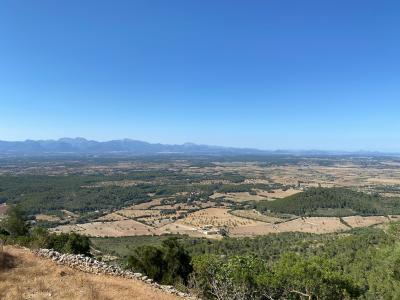
Local farmers in Mallorca have developed a deep understanding of the island's unique microclimates and weather patterns, which allows them to adapt their crops effectively. The Mediterranean climate, characterized by hot, dry summers and mild, wet winters, presents both challenges and opportunities for agriculture. Farmers often select drought-resistant varieties of crops, such as almonds, olives, and certain vegetables, that thrive in the less fertile, rocky soils typical of the region. By choosing these resilient varieties, they can maximize yield even in the face of limited water resources.
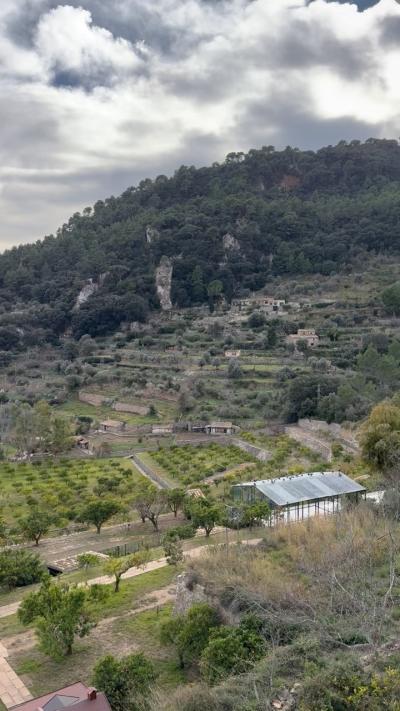
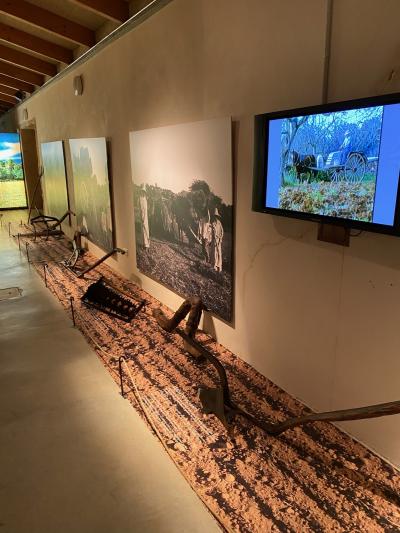
Irrigation techniques also play a crucial role in how farmers adapt to the climatic conditions. Many employ traditional methods, such as the use of stone terraces and channels, which help to manage water flow and soil erosion. In recent years, the adoption of modern drip irrigation systems has further enhanced their ability to conserve water while ensuring that crops receive the moisture they need during the dry spells. Additionally, farmers may plant crops at different times throughout the year to take advantage of the seasonal rain, ensuring a continuous harvest and reducing the risk of crop failure.
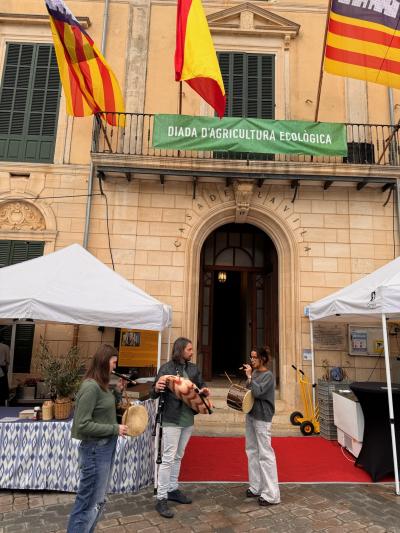
Moreover, many local farmers are increasingly aware of the importance of sustainable practices and biodiversity. They often rotate their crops and incorporate cover crops to enhance soil health, reduce pests, and improve resilience to changing weather patterns. This approach not only helps maintain the land’s fertility but also supports the local ecosystem, allowing a diverse range of plants and wildlife to thrive alongside agricultural activities. Through these adaptive strategies, Mallorca’s farmers not only preserve their agricultural heritage but also contribute to the island’s vibrant culinary scene, offering fresh, locally sourced produce that reflects the unique flavors of the region.
Irrigation techniques also play a crucial role in how farmers adapt to the climatic conditions. Many employ traditional methods, such as the use of stone terraces and channels, which help to manage water flow and soil erosion. In recent years, the adoption of modern drip irrigation systems has further enhanced their ability to conserve water while ensuring that crops receive the moisture they need during the dry spells. Additionally, farmers may plant crops at different times throughout the year to take advantage of the seasonal rain, ensuring a continuous harvest and reducing the risk of crop failure.
Moreover, many local farmers are increasingly aware of the importance of sustainable practices and biodiversity. They often rotate their crops and incorporate cover crops to enhance soil health, reduce pests, and improve resilience to changing weather patterns. This approach not only helps maintain the land’s fertility but also supports the local ecosystem, allowing a diverse range of plants and wildlife to thrive alongside agricultural activities. Through these adaptive strategies, Mallorca’s farmers not only preserve their agricultural heritage but also contribute to the island’s vibrant culinary scene, offering fresh, locally sourced produce that reflects the unique flavors of the region.
More Fotos