What role did the local population play in shaping the architecture of Palma after the Reconquista?
Similar Topics
Palma architecture
Reconquista influence
Gothic style Palma
Islamic to Gothic transition
Cathedral of Santa Maria
local craftsmanship Palma
Mediterranean architectural styles
historic buildings Palma
cultural heritage Mallorca
urban landscape evolution
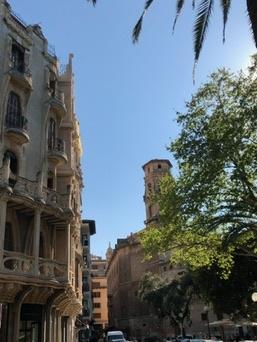
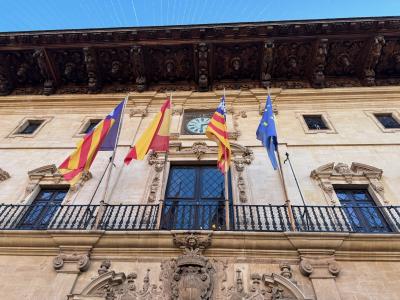
After the Reconquista in the late 13th century, the local population of Palma played a significant role in shaping the city’s architecture, reflecting a blend of cultural influences and social needs. The Christian reconquest led to a shift in architectural styles as the newly established rulers sought to assert their dominance over the region, transitioning from Islamic to Gothic architectural elements. The local craftsmen and builders, who had previously been skilled in Islamic techniques, began to incorporate these new styles while still preserving some traditional elements from the Moorish period. This resulted in a unique architectural landscape that can be seen in the city’s churches and civic buildings, which often feature intricate stonework and vaulted ceilings.
As the population grew, the demand for public spaces and infrastructure increased, prompting the construction of essential buildings like the Cathedral of Santa Maria, known as La Seu. This magnificent Gothic structure, built on the site of a former mosque, symbolizes the merging of the island's Islamic heritage with its Christian future. Local artisans contributed not only to the construction but also to the embellishment of these structures, crafting decorative elements that reflect both cultures. Additionally, the influence of Mediterranean styles became prominent, as the city began to embrace its maritime identity, leading to the development of palaces and homes that showcased ornate facades and lush courtyards.
The local population's input was crucial in the evolution of Palma’s urban landscape. Their insights into the climate and landscape influenced the design of buildings, ensuring they were suited for the region's specific conditions. As trade and commerce flourished, particularly during the late Middle Ages, the architecture began to embody the prosperity of the time. This blend of local knowledge, cultural exchange, and artistic expression resulted in a rich architectural heritage that continues to define Palma today, making it a captivating destination for visitors interested in its historical depth and aesthetic beauty.
As the population grew, the demand for public spaces and infrastructure increased, prompting the construction of essential buildings like the Cathedral of Santa Maria, known as La Seu. This magnificent Gothic structure, built on the site of a former mosque, symbolizes the merging of the island's Islamic heritage with its Christian future. Local artisans contributed not only to the construction but also to the embellishment of these structures, crafting decorative elements that reflect both cultures. Additionally, the influence of Mediterranean styles became prominent, as the city began to embrace its maritime identity, leading to the development of palaces and homes that showcased ornate facades and lush courtyards.
The local population's input was crucial in the evolution of Palma’s urban landscape. Their insights into the climate and landscape influenced the design of buildings, ensuring they were suited for the region's specific conditions. As trade and commerce flourished, particularly during the late Middle Ages, the architecture began to embody the prosperity of the time. This blend of local knowledge, cultural exchange, and artistic expression resulted in a rich architectural heritage that continues to define Palma today, making it a captivating destination for visitors interested in its historical depth and aesthetic beauty.
Palma
More Fotos