What time of day do locals typically eat their main meals?
Similar Topics
meal times
dining culture
Spain meals
lunch timing
dinner timing
social dining
cultural meals
travel experience
local customs
communal dining
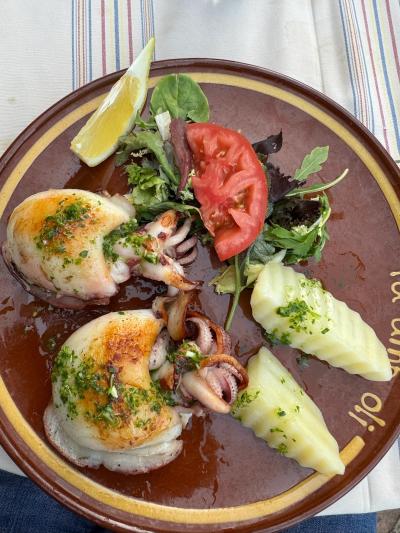
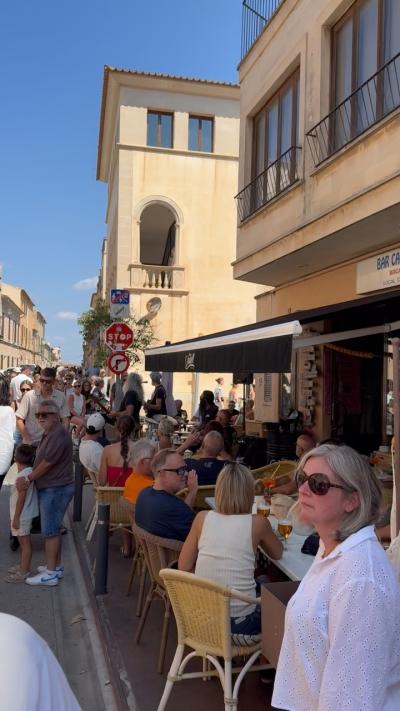
In many cultures around the world, the timing of main meals can vary significantly, influenced by local customs and lifestyle. In countries like Spain, for instance, lunch is often enjoyed later in the afternoon, typically around 2 to 3 PM, allowing for a leisurely break during the day. Dinner usually follows much later, often starting around 9 PM or even later, creating a vibrant nightlife where people gather to enjoy their meals together. This late dining culture encourages social interaction and a relaxed pace that many locals cherish.
In contrast, in countries such as the United States and Canada, the main meals are generally earlier. Lunch is commonly served between noon and 1 PM, while dinner typically occurs around 6 to 7 PM. This schedule aligns with the traditional workday, allowing families to gather in the evening after a busy day. Meanwhile, in many Asian countries, such as Japan and China, meal times can vary, with breakfast usually served early in the morning, lunch around noon, and dinner often taking place between 6 and 8 PM.
The timing of meals can also be influenced by regional factors, such as climate and agricultural practices. For example, in hotter climates, people might prefer to eat lighter meals during the day and save heartier dishes for the cooler evening hours. Regardless of the specific timing, the communal aspect of dining remains a central theme across cultures, highlighting the importance of sharing food and company with family and friends. Understanding these local customs can greatly enhance your travel experience, allowing you to fully immerse yourself in the culture and connect with the locals.
In contrast, in countries such as the United States and Canada, the main meals are generally earlier. Lunch is commonly served between noon and 1 PM, while dinner typically occurs around 6 to 7 PM. This schedule aligns with the traditional workday, allowing families to gather in the evening after a busy day. Meanwhile, in many Asian countries, such as Japan and China, meal times can vary, with breakfast usually served early in the morning, lunch around noon, and dinner often taking place between 6 and 8 PM.
The timing of meals can also be influenced by regional factors, such as climate and agricultural practices. For example, in hotter climates, people might prefer to eat lighter meals during the day and save heartier dishes for the cooler evening hours. Regardless of the specific timing, the communal aspect of dining remains a central theme across cultures, highlighting the importance of sharing food and company with family and friends. Understanding these local customs can greatly enhance your travel experience, allowing you to fully immerse yourself in the culture and connect with the locals.
Cala d'Or
More Fotos