What role do local plants play in traditional Mallorcan cuisine?
Similar Topics
Mallorcan cuisine
local plants
Mediterranean herbs
almond tree
olive oil
traditional dishes
seasonal produce
cured sausage
culinary heritage
Mallorca travel
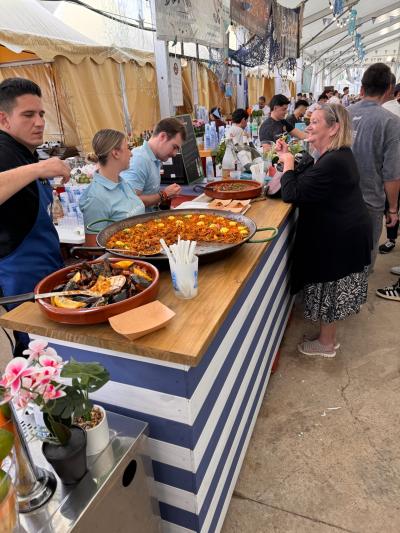
Local plants play a vital role in traditional Mallorcan cuisine, deeply influencing its flavors and culinary practices. The island's diverse climate allows for a rich variety of herbs, vegetables, and fruits that are integral to many dishes. For instance, aromatic herbs like rosemary, thyme, and sage are commonly used to season meats and stews, imparting a distinctive taste that reflects the island's Mediterranean roots. The use of fresh, local ingredients not only enhances the flavors but also connects the dishes to the island’s agricultural heritage.
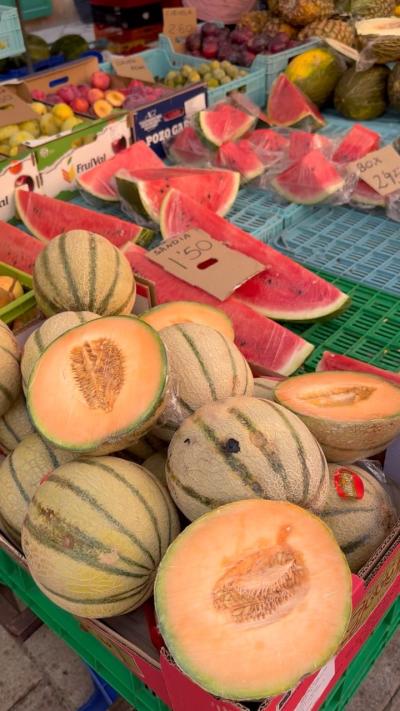
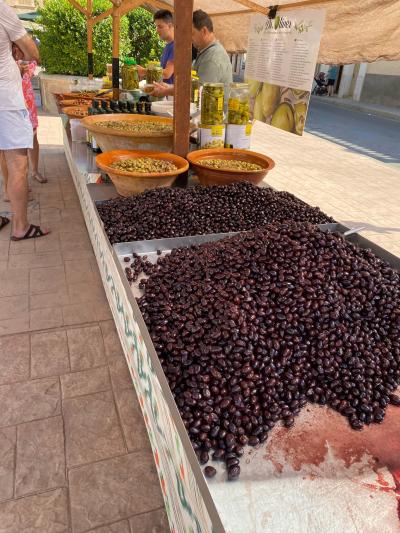
One of the most cherished local plants is the almond tree, which thrives in the sun-drenched landscapes of Mallorca. Almonds are a key ingredient in many traditional sweets, such as the famous "tarta de almendra" (almond cake) and "gato d’ametlla," a delightful cake made primarily from ground almonds. Additionally, the island's olive trees produce high-quality olive oil, which is a staple in Mallorcan kitchens, used for cooking and dressing salads. The emphasis on seasonal and local produce, such as artichokes, tomatoes, and peppers, further showcases the island’s commitment to fresh ingredients, allowing visitors to savor authentic flavors while enjoying the stunning surroundings.
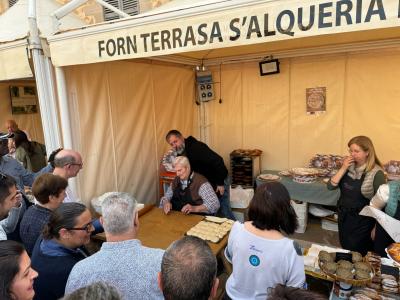
Furthermore, traditional dishes like "sobrasada," a cured sausage flavored with paprika and often accompanied by local bread, highlight the importance of local spices and herbs in preserving and enhancing flavors. Many recipes have been passed down through generations, reflecting the island’s cultural heritage and the deep respect for local agriculture. In this way, the use of local plants not only enhances the culinary experience but also tells the story of Mallorca’s rich history and connection to the land. Visitors to the island can truly appreciate the role of these plants in creating the unique, vibrant cuisine that defines Mallorcan dining.
One of the most cherished local plants is the almond tree, which thrives in the sun-drenched landscapes of Mallorca. Almonds are a key ingredient in many traditional sweets, such as the famous "tarta de almendra" (almond cake) and "gato d’ametlla," a delightful cake made primarily from ground almonds. Additionally, the island's olive trees produce high-quality olive oil, which is a staple in Mallorcan kitchens, used for cooking and dressing salads. The emphasis on seasonal and local produce, such as artichokes, tomatoes, and peppers, further showcases the island’s commitment to fresh ingredients, allowing visitors to savor authentic flavors while enjoying the stunning surroundings.
Furthermore, traditional dishes like "sobrasada," a cured sausage flavored with paprika and often accompanied by local bread, highlight the importance of local spices and herbs in preserving and enhancing flavors. Many recipes have been passed down through generations, reflecting the island’s cultural heritage and the deep respect for local agriculture. In this way, the use of local plants not only enhances the culinary experience but also tells the story of Mallorca’s rich history and connection to the land. Visitors to the island can truly appreciate the role of these plants in creating the unique, vibrant cuisine that defines Mallorcan dining.

Cala Figuera
More Fotos