How do the mountains in Mallorca affect local weather patterns?
Similar Topics
Mallorca weather
Tramuntana mountains
rain shadow effect
Sóller
Fornalutx
Alcúdia
Pollensa
Embat breeze
Mistral wind
Mallorca travel
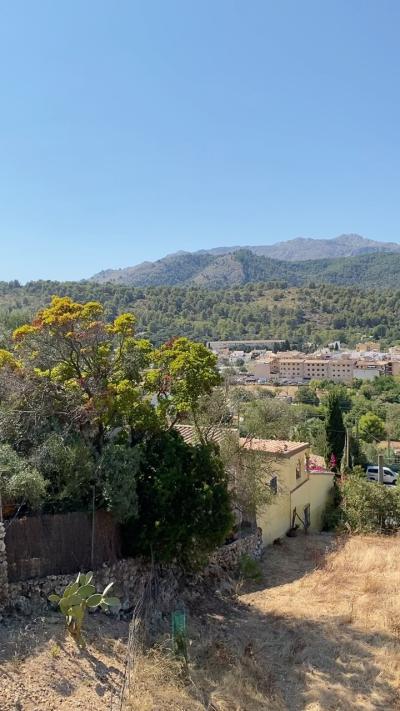
The mountains of Mallorca play a significant role in shaping the island's local weather patterns, contributing to its diverse climate. The Tramuntana mountain range, which runs along the northwest coast, acts as a natural barrier that influences both temperature and precipitation. As moist air from the Mediterranean Sea approaches the mountains, it is forced to ascend. This rising air cools, leading to condensation and resulting in increased rainfall on the windward side of the mountains. This phenomenon creates a lush, green landscape in areas like Sóller and Fornalutx, where you can find rich vegetation and vibrant citrus groves.
Conversely, the leeward side of the Tramuntana range experiences a rain shadow effect, which results in significantly drier conditions. Towns such as Alcúdia and Pollensa, located further inland, can have much warmer temperatures and less rainfall, making them popular destinations for sun-seekers. The variation in elevation also means that temperatures can fluctuate quite a bit; for instance, the higher altitudes can be cooler, even during the summer months, which attracts hikers and nature lovers seeking a respite from the heat.
In addition to rainfall and temperature variations, the mountains also influence local winds. The "Embat," a breeze that blows from the sea during the day, is common in coastal areas, while the "Mistral," a northwesterly wind, can bring cooler air from the mountains, particularly in the evenings. This interplay of air currents and geographical features creates a microclimate that enhances the island's natural beauty and offers visitors a range of outdoor experiences, from sunbathing on the beaches to exploring the scenic hiking trails in the mountains. Overall, the unique weather patterns shaped by Mallorca's mountains contribute to the island's charm, making it a captivating destination for travelers year-round.
Conversely, the leeward side of the Tramuntana range experiences a rain shadow effect, which results in significantly drier conditions. Towns such as Alcúdia and Pollensa, located further inland, can have much warmer temperatures and less rainfall, making them popular destinations for sun-seekers. The variation in elevation also means that temperatures can fluctuate quite a bit; for instance, the higher altitudes can be cooler, even during the summer months, which attracts hikers and nature lovers seeking a respite from the heat.
In addition to rainfall and temperature variations, the mountains also influence local winds. The "Embat," a breeze that blows from the sea during the day, is common in coastal areas, while the "Mistral," a northwesterly wind, can bring cooler air from the mountains, particularly in the evenings. This interplay of air currents and geographical features creates a microclimate that enhances the island's natural beauty and offers visitors a range of outdoor experiences, from sunbathing on the beaches to exploring the scenic hiking trails in the mountains. Overall, the unique weather patterns shaped by Mallorca's mountains contribute to the island's charm, making it a captivating destination for travelers year-round.

More Fotos