How do the architectural styles in Mallorca represent its diverse cultural heritage?
Similar Topics
Mallorca architecture
cultural heritage Mallorca
Gothic architecture
Moorish influence
Palma Cathedral
Modernist architecture
Mallorcan stone houses
Alcúdia architecture
Pollensa streets
Mediterranean views
Mallorca's architectural landscape is a captivating reflection of its rich and diverse cultural heritage, shaped by centuries of various influences. The island's history as a crossroads for different civilizations is evident in its buildings, which showcase styles ranging from Gothic to Moorish, and even Modernist. The iconic Palma Cathedral, known as La Seu, is a prime example of Gothic architecture and serves as a symbol of the island’s Christian legacy. Its towering spires and intricate facades are a testament to the craftsmanship of the era, while the stunning views of the Mediterranean from its grounds are simply breathtaking.
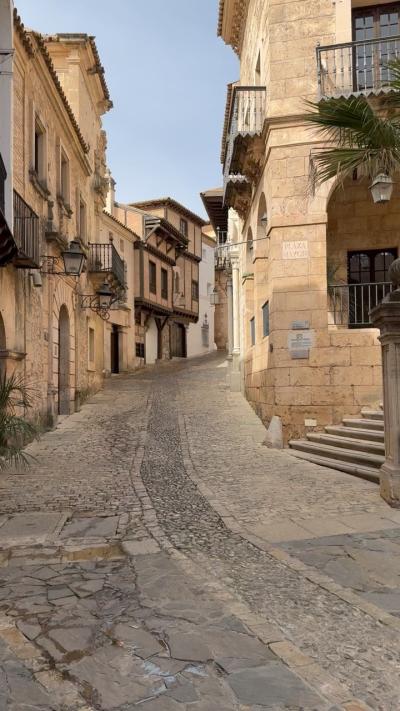
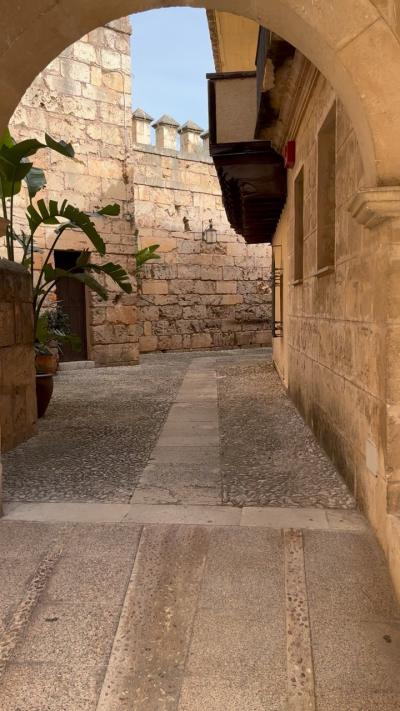
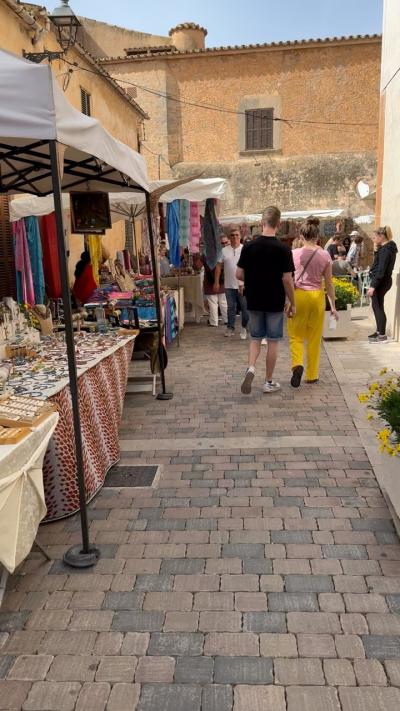
In contrast, the remnants of the Moorish influence can be seen in the charming streets of towns like Alcúdia and Pollensa, where narrow alleys and whitewashed buildings evoke a sense of tranquility and history. The use of arches, intricate tile work, and courtyards reflects the Islamic architectural style that flourished during the Moorish occupation. Additionally, the presence of traditional Mallorcan stone houses, characterized by their rustic charm and earthy tones, highlights the island's agricultural past and the harmonious relationship between its people and the land.
Modernist architecture has also made its mark on Mallorca, with notable examples like the Gran Hotel in Palma, which showcases the elegance and innovation of the early 20th century. This blend of styles creates a unique tapestry that tells the story of Mallorca's evolution over time, revealing how each wave of settlers and visitors has left an indelible mark on the island. As you wander through the streets, you’ll find that the architectural diversity not only enriches the visual experience but also invites deeper reflection on the cultural narratives that have shaped this enchanting destination.
In contrast, the remnants of the Moorish influence can be seen in the charming streets of towns like Alcúdia and Pollensa, where narrow alleys and whitewashed buildings evoke a sense of tranquility and history. The use of arches, intricate tile work, and courtyards reflects the Islamic architectural style that flourished during the Moorish occupation. Additionally, the presence of traditional Mallorcan stone houses, characterized by their rustic charm and earthy tones, highlights the island's agricultural past and the harmonious relationship between its people and the land.
Modernist architecture has also made its mark on Mallorca, with notable examples like the Gran Hotel in Palma, which showcases the elegance and innovation of the early 20th century. This blend of styles creates a unique tapestry that tells the story of Mallorca's evolution over time, revealing how each wave of settlers and visitors has left an indelible mark on the island. As you wander through the streets, you’ll find that the architectural diversity not only enriches the visual experience but also invites deeper reflection on the cultural narratives that have shaped this enchanting destination.

More Fotos