How has the climate of Mallorca influenced its plant life?
Similar Topics
Mallorca climate
Mediterranean flora
plant life Mallorca
drought-resistant plants
Tramuntana mountain range
wildflowers Mallorca
olive groves Mallorca
Mediterranean herbs
Mallorca biodiversity
nature hiking Mallorca
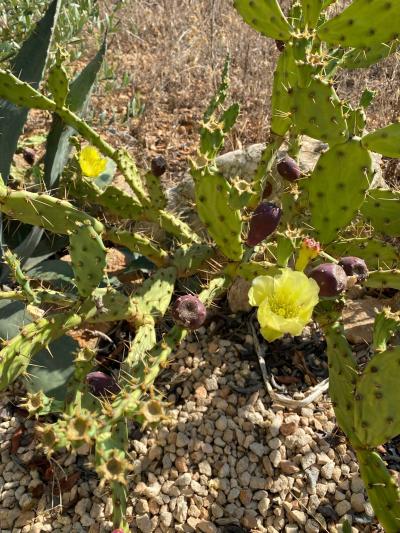
Mallorca's climate plays a significant role in shaping its diverse plant life, creating a unique environment that supports a variety of species. The island enjoys a Mediterranean climate characterized by hot, dry summers and mild, wet winters. This seasonal variation contributes to a rich tapestry of flora, where drought-resistant plants thrive alongside species that require more moisture. The warm temperatures and ample sunshine during the summer months promote the growth of vibrant shrubs and trees, such as the iconic Aleppo pine and the fragrant rosemary, which are well-suited to the sandy, limestone-rich soils found throughout the island.
The influence of the climate is particularly evident in Mallorca's stunning landscapes, from the rugged cliffs of the Tramuntana mountain range to the lush valleys dotted with olive groves and almond trees. During spring, the island bursts into color as wildflowers bloom, painting the countryside with brilliant hues of yellow, purple, and pink. The mild winters allow for a longer growing season, which is why you'll find an abundance of Mediterranean herbs like thyme and oregano, as well as fruit-bearing trees such as figs and citrus, that thrive in this environment.
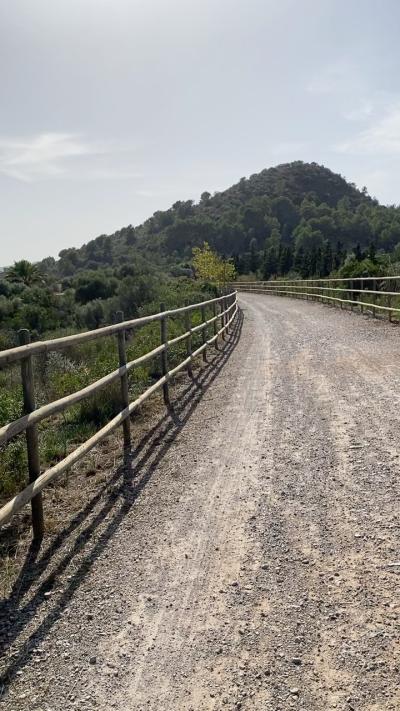
Moreover, human activity has also shaped the plant life on the island. Traditional agricultural practices, such as terracing and the cultivation of vineyards, have adapted to the local climate, allowing for the coexistence of native plants with cultivated species. This blend of natural and agricultural landscapes creates a rich biodiversity that is a delight for nature lovers and hikers. As you explore Mallorca, whether through its coastal paths or inland trails, you'll encounter an impressive array of plant life that tells the story of how the island's climate has nurtured a flourishing ecosystem.
The influence of the climate is particularly evident in Mallorca's stunning landscapes, from the rugged cliffs of the Tramuntana mountain range to the lush valleys dotted with olive groves and almond trees. During spring, the island bursts into color as wildflowers bloom, painting the countryside with brilliant hues of yellow, purple, and pink. The mild winters allow for a longer growing season, which is why you'll find an abundance of Mediterranean herbs like thyme and oregano, as well as fruit-bearing trees such as figs and citrus, that thrive in this environment.
Moreover, human activity has also shaped the plant life on the island. Traditional agricultural practices, such as terracing and the cultivation of vineyards, have adapted to the local climate, allowing for the coexistence of native plants with cultivated species. This blend of natural and agricultural landscapes creates a rich biodiversity that is a delight for nature lovers and hikers. As you explore Mallorca, whether through its coastal paths or inland trails, you'll encounter an impressive array of plant life that tells the story of how the island's climate has nurtured a flourishing ecosystem.
More Fotos