How do the educational systems in Mallorca incorporate Mallorquí in their curriculum?
Similar Topics
Mallorquí language
Mallorca education
bilingual curriculum
Catalan in Mallorca
Mallorca culture
local traditions Mallorca
Mallorca festivals
language clubs Mallorca
cultural identity Mallorca
Mallorcan heritage
In Mallorca, the educational system places a strong emphasis on the preservation and promotion of local culture, which includes the teaching of Mallorquí, the island's regional language. Schools typically offer a bilingual curriculum where both Catalan, in its Mallorquí variant, and Spanish are taught. This dual-language approach is designed to foster a sense of identity and belonging among students, ensuring that they not only master the official languages but also connect with their heritage. From an early age, children are introduced to Mallorquí through various subjects, including literature, history, and even music, which helps to reinforce the importance of the language in daily life and local traditions.
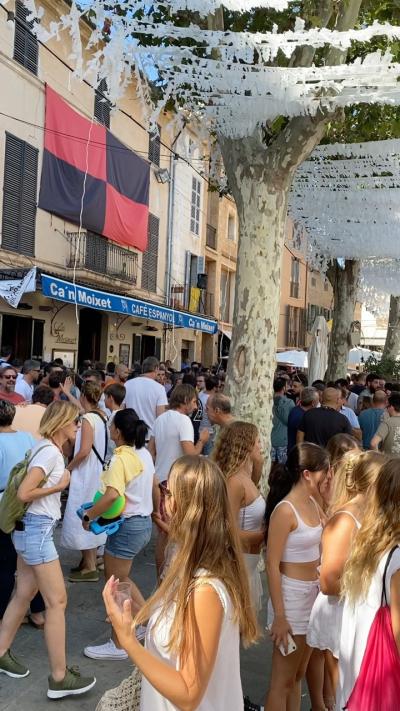
Teachers often utilize a variety of engaging methods to teach Mallorquí, incorporating local folklore, songs, and stories that resonate with the students. This immersive approach not only helps children learn the language but also instills pride in their cultural roots. Moreover, as part of their education, students participate in local festivals and events where Mallorquí is prominently featured, allowing them to practice the language in real-world contexts. As a result, many young Mallorcans grow up fluent in both Mallorquí and Spanish, equipped to navigate the cultural landscape of their island while also integrating into the broader Spanish-speaking world.
In addition to formal education, there are community initiatives and extracurricular programs aimed at promoting Mallorquí among younger generations. These include workshops, theater performances, and language clubs that encourage students to engage with the language outside of the classroom. Such efforts contribute to a vibrant linguistic environment on the island, where Mallorquí is not only a subject of study but a living language woven into the fabric of everyday life. Overall, the integration of Mallorquí into the educational curriculum reflects a commitment to cultural preservation while fostering a sense of pride and connection to the island’s unique identity.
Teachers often utilize a variety of engaging methods to teach Mallorquí, incorporating local folklore, songs, and stories that resonate with the students. This immersive approach not only helps children learn the language but also instills pride in their cultural roots. Moreover, as part of their education, students participate in local festivals and events where Mallorquí is prominently featured, allowing them to practice the language in real-world contexts. As a result, many young Mallorcans grow up fluent in both Mallorquí and Spanish, equipped to navigate the cultural landscape of their island while also integrating into the broader Spanish-speaking world.
In addition to formal education, there are community initiatives and extracurricular programs aimed at promoting Mallorquí among younger generations. These include workshops, theater performances, and language clubs that encourage students to engage with the language outside of the classroom. Such efforts contribute to a vibrant linguistic environment on the island, where Mallorquí is not only a subject of study but a living language woven into the fabric of everyday life. Overall, the integration of Mallorquí into the educational curriculum reflects a commitment to cultural preservation while fostering a sense of pride and connection to the island’s unique identity.

Cala Figuera
More Fotos