How did the various kingdoms and empires impact Mallorca's governance over the centuries?
Similar Topics
Mallorca history
Roman Empire in Mallorca
Moorish influence Mallorca
Talaiotic culture
Crown of Aragon
Spanish monarchy Mallorca
Mallorca governance
Mallorca architecture
Mallorca cultural identity
Mallorca tourism
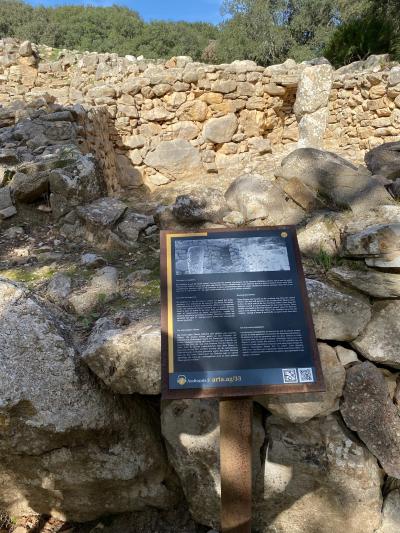
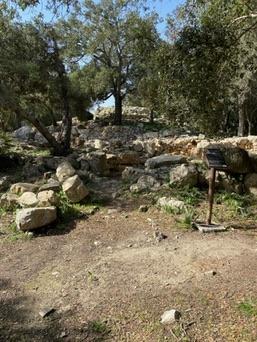
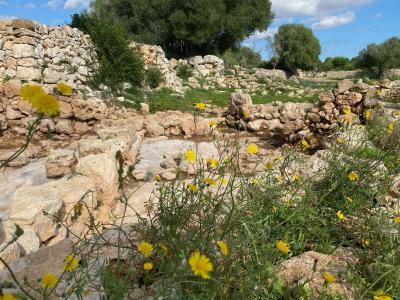
Mallorca's governance has been shaped by a rich tapestry of kingdoms and empires throughout its history, each leaving a distinctive mark on the island's culture and political structure. Initially, the island was inhabited by the Talaiotic culture, but by the time of the Romans, Mallorca became an important part of the Roman Empire, which brought significant administrative organization and infrastructure. The Romans established towns and roads that facilitated trade and communication, laying the groundwork for future governance structures. After the fall of the Roman Empire, the island came under the control of various groups, including the Vandals and Byzantines, which introduced a blend of cultural influences and further complicated its political landscape.
In the 8th century, the arrival of the Moors marked a transformative period for Mallorca. Under Muslim rule, the island flourished both economically and culturally, becoming a center of agriculture and trade. The Moorish governance introduced advanced irrigation techniques and architectural styles that are still evident today. However, this period was interrupted in the 13th century when James I of Aragon conquered Mallorca, integrating it into the Kingdom of Aragon. This marked the beginning of a long-standing relationship with the Spanish crown, as the island became a crucial part of the Crown of Aragon, influencing its legal and administrative systems.
Throughout the late medieval and early modern periods, Mallorca experienced various changes in governance, including periods of autonomy and direct rule from the Spanish monarchy. The island played a strategic role during the various conflicts in the Mediterranean, which often led to shifts in control and influence. The Crown of Aragon's eventual integration into the unified Kingdom of Spain in the 18th century further solidified Mallorca's political ties to mainland Spain, while still preserving its distinct cultural identity. Today, this rich historical legacy is reflected in Mallorca's vibrant traditions, architecture, and governance, offering visitors a unique glimpse into the island's storied past.
In the 8th century, the arrival of the Moors marked a transformative period for Mallorca. Under Muslim rule, the island flourished both economically and culturally, becoming a center of agriculture and trade. The Moorish governance introduced advanced irrigation techniques and architectural styles that are still evident today. However, this period was interrupted in the 13th century when James I of Aragon conquered Mallorca, integrating it into the Kingdom of Aragon. This marked the beginning of a long-standing relationship with the Spanish crown, as the island became a crucial part of the Crown of Aragon, influencing its legal and administrative systems.
Throughout the late medieval and early modern periods, Mallorca experienced various changes in governance, including periods of autonomy and direct rule from the Spanish monarchy. The island played a strategic role during the various conflicts in the Mediterranean, which often led to shifts in control and influence. The Crown of Aragon's eventual integration into the unified Kingdom of Spain in the 18th century further solidified Mallorca's political ties to mainland Spain, while still preserving its distinct cultural identity. Today, this rich historical legacy is reflected in Mallorca's vibrant traditions, architecture, and governance, offering visitors a unique glimpse into the island's storied past.
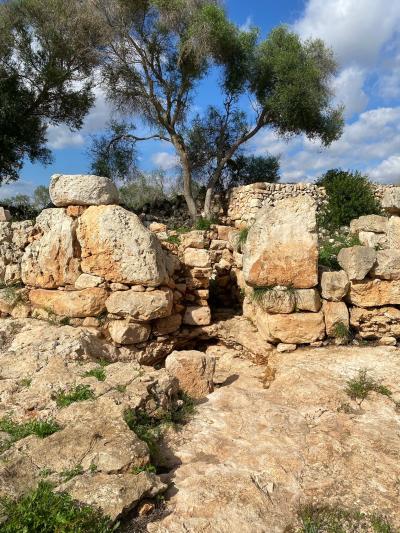
Capocorb Vell
More Fotos