How does the landscape of Mallorca influence architectural choices?
Similar Topics
Mallorca architecture
Mallorca landscape
Mediterranean villas
traditional stone houses
fincas Mallorca
Gothic cathedrals
cultural heritage Mallorca
outdoor spaces Mallorca
Mallorca travel
island architecture
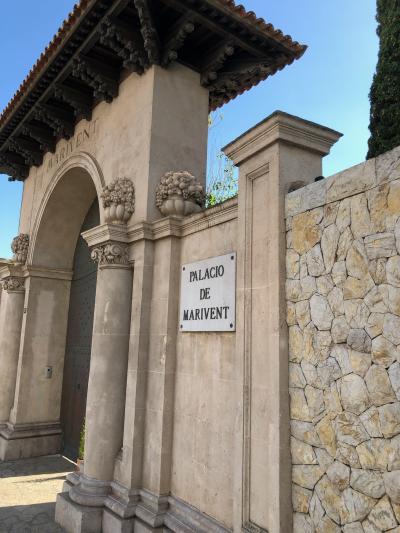
Mallorca's diverse landscape significantly shapes its architectural choices, creating a unique blend of styles that reflect both the island's natural beauty and cultural heritage. The rugged mountains in the north, with their dramatic cliffs and lush valleys, inspire the use of local stone in construction, blending buildings seamlessly into the environment. Traditional stone houses, or "fincas," often feature terracotta roofs and earthy tones, which not only complement the surrounding countryside but also provide practical benefits, such as thermal insulation against the heat of summer and the chill of winter.
In contrast, the coastal areas showcase a different architectural character, influenced by the Mediterranean waters and the need for structures that can withstand the salty air and strong winds. Here, you'll find charming whitewashed villas and modern seaside homes with large windows and open terraces designed to capture the stunning views of the sea. The use of outdoor spaces is paramount, as residents and visitors alike seek to enjoy the island's mild climate, often integrating patios, gardens, and pools into their designs to foster a connection with the outdoors.
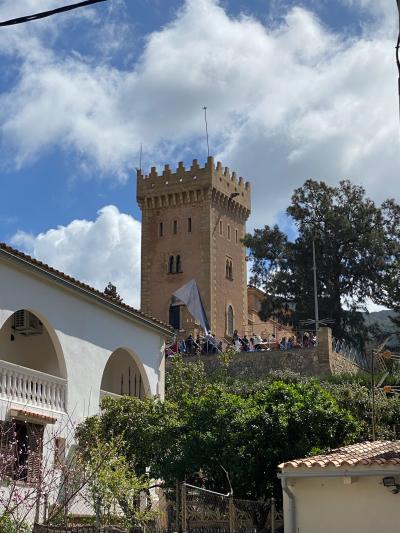
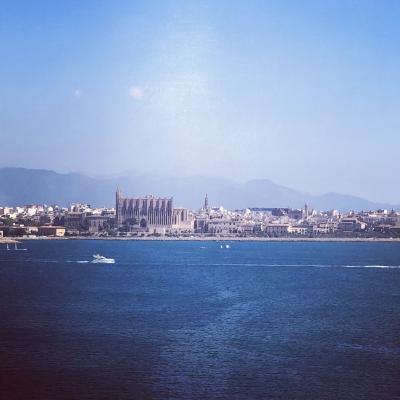
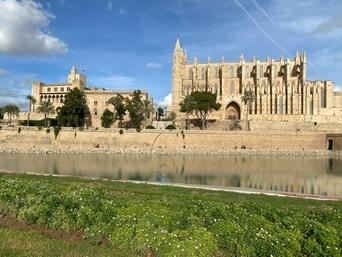
Moreover, the island's rich history plays a crucial role in its architectural landscape. The influence of various cultures, from the Romans to the Moors, is evident in the intricate detailing and design of many buildings. For instance, the Gothic cathedrals and ancient castles perched on hilltops reflect a past steeped in history, while modern architecture often incorporates traditional elements, creating a dialogue between the old and the new. This harmonious interplay between the natural landscape, climate, and cultural history makes Mallorca's architecture not only visually appealing but also deeply rooted in its geographical context, inviting exploration and appreciation from all who visit.
In contrast, the coastal areas showcase a different architectural character, influenced by the Mediterranean waters and the need for structures that can withstand the salty air and strong winds. Here, you'll find charming whitewashed villas and modern seaside homes with large windows and open terraces designed to capture the stunning views of the sea. The use of outdoor spaces is paramount, as residents and visitors alike seek to enjoy the island's mild climate, often integrating patios, gardens, and pools into their designs to foster a connection with the outdoors.
Moreover, the island's rich history plays a crucial role in its architectural landscape. The influence of various cultures, from the Romans to the Moors, is evident in the intricate detailing and design of many buildings. For instance, the Gothic cathedrals and ancient castles perched on hilltops reflect a past steeped in history, while modern architecture often incorporates traditional elements, creating a dialogue between the old and the new. This harmonious interplay between the natural landscape, climate, and cultural history makes Mallorca's architecture not only visually appealing but also deeply rooted in its geographical context, inviting exploration and appreciation from all who visit.

Llucmajor
More Fotos