How do the growing conditions in Mallorca affect the taste of the olives?
Similar Topics
Mallorca olives
Mediterranean climate
olive cultivation
olive oil tastings
local cuisine
Arbequina olives
Mallorquina olives
hand-picking olives
cold-pressing
culinary heritage
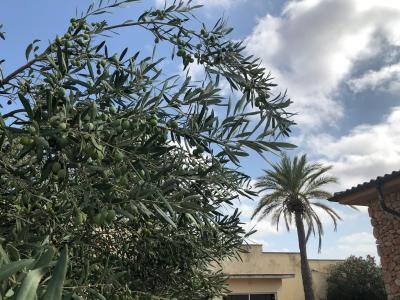
Mallorca's unique growing conditions play a significant role in shaping the taste and quality of its olives. The island enjoys a Mediterranean climate characterized by hot, dry summers and mild, wet winters. This climate is ideal for olive cultivation, allowing the trees to thrive and produce fruit with a rich flavor profile. The long hours of sunshine during the growing season contribute to the development of sugars and phenolic compounds in the olives, enhancing their taste. Additionally, the island's varied microclimates and diverse soil types further influence the olives' characteristics, leading to a wide range of flavors and aromas.
The traditional methods of olive farming practiced in Mallorca also add to the uniqueness of their olives. Many local farmers still use age-old techniques, such as hand-picking the fruit and cold-pressing the olives, which helps preserve the natural flavors and health benefits of the oil. This craftsmanship, combined with the island’s indigenous varieties, such as the Arbequina and the Mallorquina, results in oils that are often described as fruity, with a hint of bitterness and a peppery finish. The distinct taste of Mallorcan olives reflects not just the land but also the dedication of the local producers, making them a delightful aspect of the island's culinary offerings.
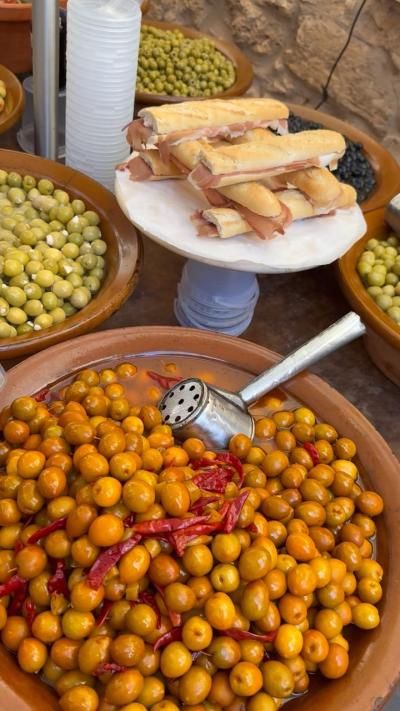
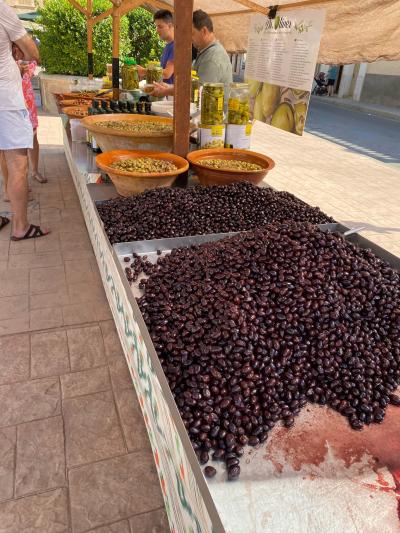
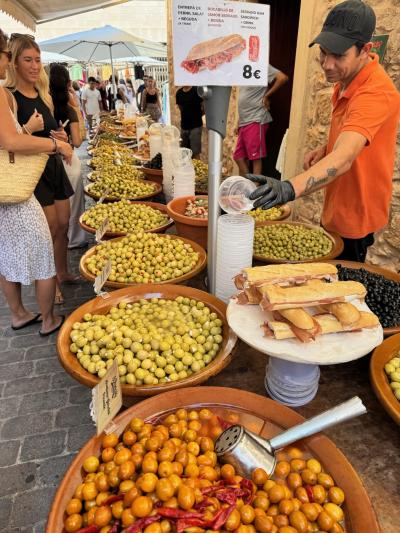
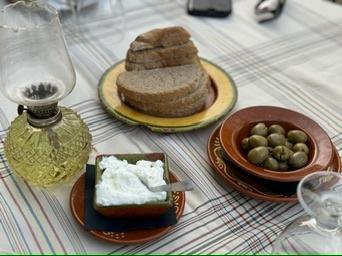
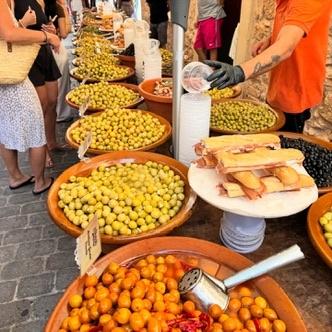
Visitors to Mallorca can experience these flavors firsthand by participating in local olive oil tastings or tours of the olive groves, where they can learn about the cultivation process and sample different varieties. This immersive experience allows travelers to appreciate how the island's environmental factors contribute to the delicious olives and oils that are an integral part of Mallorcan cuisine. Whether drizzled over fresh bread, incorporated into local dishes, or enjoyed on their own, the olives of Mallorca offer a true taste of the island's rich agricultural heritage.
The traditional methods of olive farming practiced in Mallorca also add to the uniqueness of their olives. Many local farmers still use age-old techniques, such as hand-picking the fruit and cold-pressing the olives, which helps preserve the natural flavors and health benefits of the oil. This craftsmanship, combined with the island’s indigenous varieties, such as the Arbequina and the Mallorquina, results in oils that are often described as fruity, with a hint of bitterness and a peppery finish. The distinct taste of Mallorcan olives reflects not just the land but also the dedication of the local producers, making them a delightful aspect of the island's culinary offerings.
Visitors to Mallorca can experience these flavors firsthand by participating in local olive oil tastings or tours of the olive groves, where they can learn about the cultivation process and sample different varieties. This immersive experience allows travelers to appreciate how the island's environmental factors contribute to the delicious olives and oils that are an integral part of Mallorcan cuisine. Whether drizzled over fresh bread, incorporated into local dishes, or enjoyed on their own, the olives of Mallorca offer a true taste of the island's rich agricultural heritage.
More Fotos