How did Mallorca's strategic location in the Mediterranean impact its interactions with other cultures?
Similar Topics
Mallorca history
Mediterranean culture
Mallorca travel
cultural exchange
Mallorca architecture
Palma attractions
Moorish influence
Roman heritage
Mallorca cuisine
Mediterranean trade routes
Mallorca's strategic location in the heart of the Mediterranean has played a crucial role in shaping its interactions with various cultures throughout history. Positioned between the bustling trade routes of Europe and North Africa, the island became a melting pot of influences, attracting merchants, travelers, and settlers from diverse backgrounds. This unique geographical advantage allowed Mallorca to thrive economically and culturally, as it served as a stopping point for ships traveling between the continents. The exchange of goods, ideas, and customs has left an indelible mark on the island's identity, enriching its tapestry of history.
The various civilizations that have occupied or interacted with Mallorca, including the Romans, Moors, and later the Catalans, contributed to a dynamic cultural landscape. The Romans introduced infrastructure and agricultural practices that laid the foundation for future development, while the Moors brought innovations in architecture, science, and the arts that are still evident in the island's stunning architecture and lush landscapes. This blend of influences is particularly visible in the island’s culinary scene, where traditional Mediterranean flavors are enhanced by spices and techniques that reflect its diverse heritage.
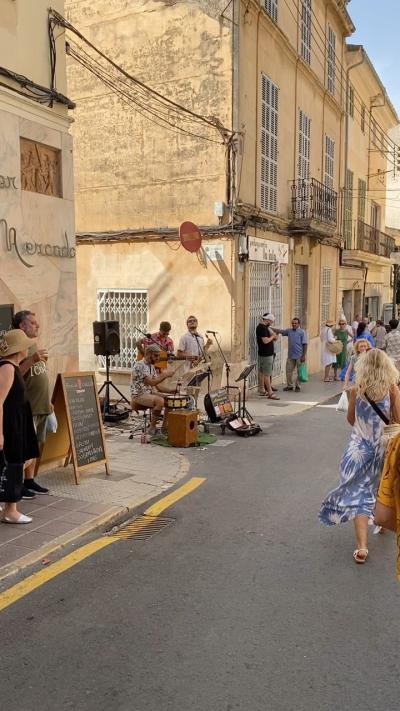
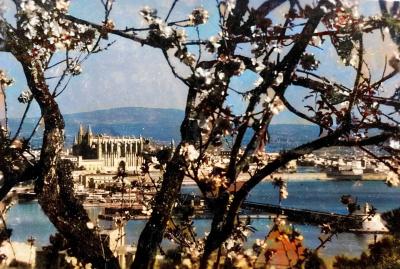
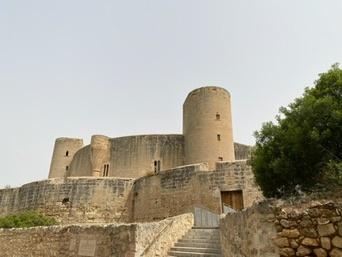
Today, visitors to Mallorca can experience this rich cultural mosaic firsthand. Wandering through the charming streets of Palma, you can admire the Gothic cathedral and the remnants of Moorish fortifications, which stand as a testament to the island's multifaceted past. Additionally, local festivals often celebrate this intertwining of cultures, offering a glimpse into the vibrant traditions that have evolved over centuries. This historical depth, combined with stunning natural beauty, makes Mallorca not just a destination for relaxation but also a captivating journey through time and cultural exchange.
The various civilizations that have occupied or interacted with Mallorca, including the Romans, Moors, and later the Catalans, contributed to a dynamic cultural landscape. The Romans introduced infrastructure and agricultural practices that laid the foundation for future development, while the Moors brought innovations in architecture, science, and the arts that are still evident in the island's stunning architecture and lush landscapes. This blend of influences is particularly visible in the island’s culinary scene, where traditional Mediterranean flavors are enhanced by spices and techniques that reflect its diverse heritage.
Today, visitors to Mallorca can experience this rich cultural mosaic firsthand. Wandering through the charming streets of Palma, you can admire the Gothic cathedral and the remnants of Moorish fortifications, which stand as a testament to the island's multifaceted past. Additionally, local festivals often celebrate this intertwining of cultures, offering a glimpse into the vibrant traditions that have evolved over centuries. This historical depth, combined with stunning natural beauty, makes Mallorca not just a destination for relaxation but also a captivating journey through time and cultural exchange.

More Fotos