How do the culinary traditions of Mallorca differ from the rest of Spain?
Similar Topics
Mallorca cuisine
Mediterranean food
Mallorca travel
Spanish culinary traditions
traditional Mallorcan dishes
tumbet recipe
sobrasada
pamboli
ensaimada dessert
local ingredients Mallorca
Mallorca's culinary traditions are a delightful reflection of its unique history and geography, setting it apart from the rest of Spain. While Spanish cuisine is renowned for its diversity, Mallorca’s food is particularly influenced by its Mediterranean climate, which allows for a rich variety of fresh produce, seafood, and herbs. The island's traditional dishes often highlight local ingredients such as almonds, olive oil, and seasonal vegetables, creating a distinct flavor profile that resonates with the island's agrarian roots.
One of the standout features of Mallorcan cuisine is its emphasis on hearty, rustic dishes that reflect the island's agricultural heritage. A prime example is "tumbet," a vibrant vegetable dish made with layers of eggplant, bell peppers, and potatoes, typically topped with a rich tomato sauce. Another beloved specialty is "sobrasada," a cured sausage that is spiced with paprika and has a unique spreadable texture. This dish showcases the island’s penchant for preserving meats, a tradition that dates back centuries. Additionally, the influence of Catalan cooking is evident in the use of local seafood, which is often prepared simply to highlight its freshness.
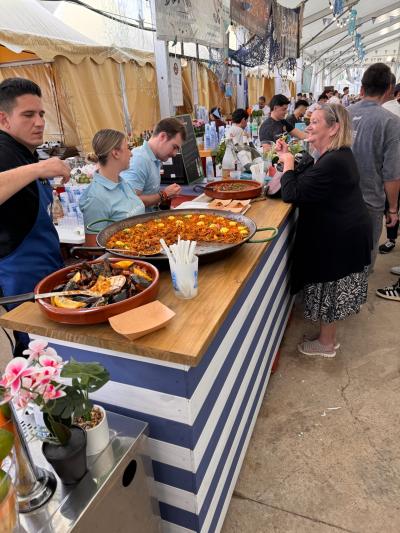
While the broader Spanish culinary scene is famous for tapas and paella, Mallorca offers its own take on small plates with "pamboli"—bread topped with ripe tomatoes, olive oil, and various toppings. This dish reflects the island's preference for uncomplicated yet flavorful fare. Moreover, the incorporation of sweet treats, such as "ensaimada," a spiral-shaped pastry dusted with powdered sugar, adds to the island's distinct culinary identity. Overall, the flavors of Mallorca tell a story of tradition, local ingredients, and a slower pace of life, making it a must-visit destination for food lovers seeking an authentic taste of the Mediterranean.
One of the standout features of Mallorcan cuisine is its emphasis on hearty, rustic dishes that reflect the island's agricultural heritage. A prime example is "tumbet," a vibrant vegetable dish made with layers of eggplant, bell peppers, and potatoes, typically topped with a rich tomato sauce. Another beloved specialty is "sobrasada," a cured sausage that is spiced with paprika and has a unique spreadable texture. This dish showcases the island’s penchant for preserving meats, a tradition that dates back centuries. Additionally, the influence of Catalan cooking is evident in the use of local seafood, which is often prepared simply to highlight its freshness.
While the broader Spanish culinary scene is famous for tapas and paella, Mallorca offers its own take on small plates with "pamboli"—bread topped with ripe tomatoes, olive oil, and various toppings. This dish reflects the island's preference for uncomplicated yet flavorful fare. Moreover, the incorporation of sweet treats, such as "ensaimada," a spiral-shaped pastry dusted with powdered sugar, adds to the island's distinct culinary identity. Overall, the flavors of Mallorca tell a story of tradition, local ingredients, and a slower pace of life, making it a must-visit destination for food lovers seeking an authentic taste of the Mediterranean.

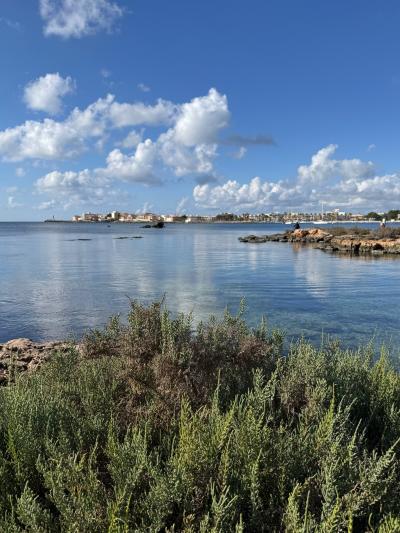
Cala Figuera
More Fotos