How does the climate on Mallorca change throughout the year?
Similar Topics
Mallorca climate
Mediterranean climate
Mallorca beaches
peak tourist season
autumn in Mallorca
winter in Mallorca
spring in Mallorca
outdoor activities Mallorca
Mallorca hiking
Mallorca travel tips
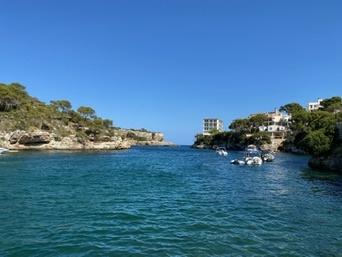
Mallorca enjoys a Mediterranean climate, which means you can expect warm, dry summers and mild, wetter winters. From June to September, the island basks in plenty of sunshine, with daytime temperatures often soaring into the high 30s Celsius (around 90s Fahrenheit). This is the peak tourist season, as visitors flock to its stunning beaches and vibrant coastal towns. The evenings remain pleasantly warm, allowing for enjoyable outdoor dining and strolls along the waterfront. However, it’s worth noting that the heat can be intense during the day, so many locals and travelers take to the shade or enjoy a refreshing dip in the sea.
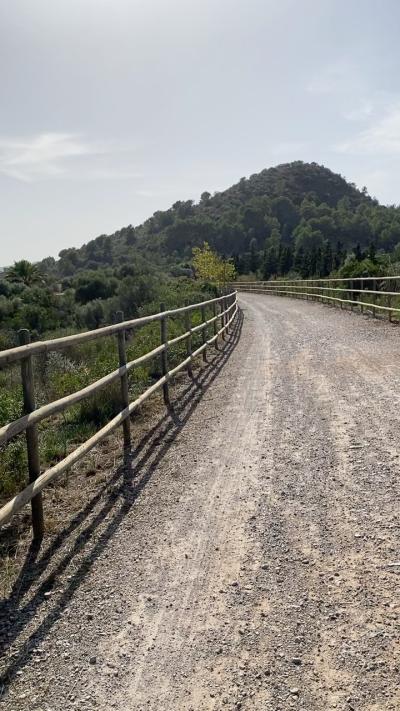
As autumn approaches, particularly in October and November, temperatures begin to cool, averaging between 20 to 25 degrees Celsius (68 to 77 degrees Fahrenheit). The island experiences a beautiful transition, with fewer crowds and a softer ambiance. This period also marks the start of the rainy season, with occasional showers that help nourish the lush landscapes, making it a lovely time for hiking and exploring Mallorca's scenic interior. Winter, from December to February, brings milder weather, with temperatures ranging from 5 to 15 degrees Celsius (41 to 59 degrees Fahrenheit). While it rarely snows, the island can experience cooler, rainy days, and some attractions may have reduced hours, but the tranquil atmosphere offers a unique charm.
As spring arrives, Mallorca blossoms back to life. March through May sees a delightful increase in temperatures, averaging between 15 to 25 degrees Celsius (59 to 77 degrees Fahrenheit). The island becomes a haven for outdoor enthusiasts, with wildflowers carpeting the hillsides and the sea warming up for swimming. This is an ideal time for cycling, hiking, and enjoying local festivals that celebrate the vibrant culture. Overall, Mallorca's climate is quite diverse throughout the year, offering something special for every type of traveler, whether you prefer the sun-drenched beaches of summer or the serene beauty of winter.
As autumn approaches, particularly in October and November, temperatures begin to cool, averaging between 20 to 25 degrees Celsius (68 to 77 degrees Fahrenheit). The island experiences a beautiful transition, with fewer crowds and a softer ambiance. This period also marks the start of the rainy season, with occasional showers that help nourish the lush landscapes, making it a lovely time for hiking and exploring Mallorca's scenic interior. Winter, from December to February, brings milder weather, with temperatures ranging from 5 to 15 degrees Celsius (41 to 59 degrees Fahrenheit). While it rarely snows, the island can experience cooler, rainy days, and some attractions may have reduced hours, but the tranquil atmosphere offers a unique charm.
As spring arrives, Mallorca blossoms back to life. March through May sees a delightful increase in temperatures, averaging between 15 to 25 degrees Celsius (59 to 77 degrees Fahrenheit). The island becomes a haven for outdoor enthusiasts, with wildflowers carpeting the hillsides and the sea warming up for swimming. This is an ideal time for cycling, hiking, and enjoying local festivals that celebrate the vibrant culture. Overall, Mallorca's climate is quite diverse throughout the year, offering something special for every type of traveler, whether you prefer the sun-drenched beaches of summer or the serene beauty of winter.
More Fotos