What role did maritime trade play in Mallorca's prosperity during Jaume III's time?
Similar Topics
Mallorca history
maritime trade
Jaume III
Mediterranean commerce
Palma ports
cultural exchange
architectural heritage
economic growth
naval capabilities
14th century Mallorca
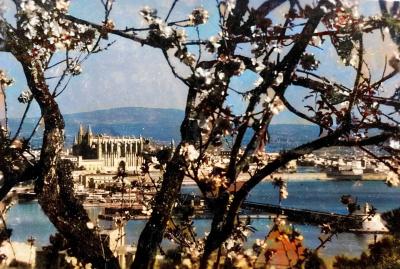
During Jaume III's reign in the 14th century, maritime trade was a cornerstone of Mallorca's prosperity and economic growth. The island's strategic location in the Mediterranean made it an essential hub for trade routes connecting Europe, North Africa, and the Middle East. This advantageous position allowed Mallorca to flourish as a center for commerce, attracting merchants from various regions who sought to exchange goods such as textiles, spices, and agricultural products. The bustling ports, particularly Palma, became vibrant marketplaces where a diverse array of cultures converged, enriching the local economy and society.
The prosperity brought about by maritime trade also had a profound impact on Mallorca's cultural and architectural landscape. As wealth flowed into the island, it facilitated the construction of impressive structures, including churches, palaces, and fortifications that still stand today as a testament to that era of affluence. The exchange of ideas and artistic influences through trade further contributed to a cultural renaissance on the island. Local artisans and craftsmen thrived as they adapted techniques and styles from various trading partners, leading to a unique blend of artistic expression that is still evident in Mallorca's rich heritage.
Moreover, Jaume III's support for maritime endeavors not only bolstered trade but also enhanced Mallorca's naval capabilities. This focus on strengthening the island's fleet allowed for greater protection of trade routes and the ability to engage in naval battles when necessary, ensuring that Mallorca remained a key player in regional commerce. Overall, maritime trade during this period was not just an economic engine but also a driving force for cultural exchange and development, shaping the Mallorca we see today.
The prosperity brought about by maritime trade also had a profound impact on Mallorca's cultural and architectural landscape. As wealth flowed into the island, it facilitated the construction of impressive structures, including churches, palaces, and fortifications that still stand today as a testament to that era of affluence. The exchange of ideas and artistic influences through trade further contributed to a cultural renaissance on the island. Local artisans and craftsmen thrived as they adapted techniques and styles from various trading partners, leading to a unique blend of artistic expression that is still evident in Mallorca's rich heritage.
Moreover, Jaume III's support for maritime endeavors not only bolstered trade but also enhanced Mallorca's naval capabilities. This focus on strengthening the island's fleet allowed for greater protection of trade routes and the ability to engage in naval battles when necessary, ensuring that Mallorca remained a key player in regional commerce. Overall, maritime trade during this period was not just an economic engine but also a driving force for cultural exchange and development, shaping the Mallorca we see today.
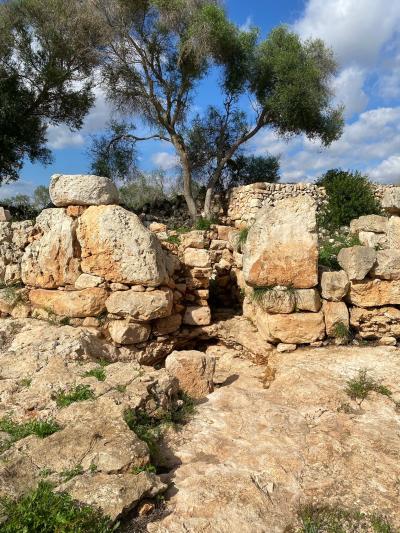
Capocorb Vell
More Fotos