What role does the Mediterranean landscape play in Mallorcan culture and art?
Similar Topics
Mediterranean landscape
Mallorcan culture
Mallorca art
rugged coastlines
serene beaches
olive groves
traditional Mallorcan life
Mallorcan cuisine
cultural festivals
Serra de Tramuntana
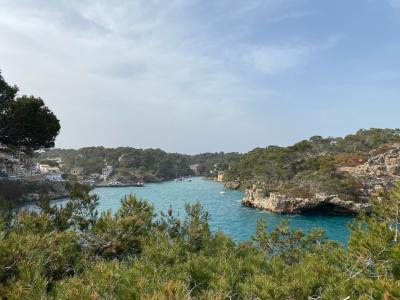
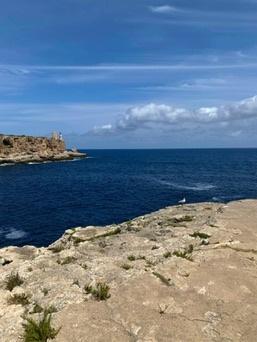
The Mediterranean landscape profoundly influences Mallorcan culture and art, serving as both inspiration and backdrop for the island's rich heritage. The breathtaking scenery, characterized by rugged coastlines, serene beaches, and rolling hills dotted with olive groves and vineyards, creates a vibrant palette that artists and craftsmen have drawn upon for centuries. The interplay of light and color in the Mediterranean sun not only enhances the natural beauty but also inspires the creative spirit of local painters, sculptors, and artisans. Many artists find their muse in the dramatic cliffs of the Serra de Tramuntana or the tranquil bays of Alcúdia, capturing the essence of this idyllic environment in their works.
Additionally, the Mediterranean landscape shapes traditional Mallorcan life, influencing architecture, cuisine, and festivals. The island's stone villages, with their characteristic narrow streets and terracotta roofs, reflect the natural materials found in the surroundings, blending harmoniously with the environment. This connection to nature is also evident in Mallorcan cuisine, where local ingredients such as fish, olive oil, and fresh produce are celebrated in traditional dishes, creating a culinary art form that highlights the landscape’s bounty. Festivals and cultural events often take place outdoors, allowing the beauty of the Mediterranean to enhance communal celebrations and artistic expressions, fostering a deep sense of identity rooted in the land.
In contemporary times, the Mediterranean landscape continues to inspire a new generation of artists and cultural creators on the island. This enduring relationship between the land and its people manifests in various artistic mediums, from painting and photography to music and literature. As visitors explore Mallorca, they can experience this symbiotic connection firsthand, witnessing how the stunning natural environment shapes not only the island's artistic output but also its vibrant community spirit. The Mediterranean landscape is not merely a backdrop; it is an integral part of Mallorcan identity, echoing through every brushstroke, note, and dish that is crafted in its embrace.
Additionally, the Mediterranean landscape shapes traditional Mallorcan life, influencing architecture, cuisine, and festivals. The island's stone villages, with their characteristic narrow streets and terracotta roofs, reflect the natural materials found in the surroundings, blending harmoniously with the environment. This connection to nature is also evident in Mallorcan cuisine, where local ingredients such as fish, olive oil, and fresh produce are celebrated in traditional dishes, creating a culinary art form that highlights the landscape’s bounty. Festivals and cultural events often take place outdoors, allowing the beauty of the Mediterranean to enhance communal celebrations and artistic expressions, fostering a deep sense of identity rooted in the land.
In contemporary times, the Mediterranean landscape continues to inspire a new generation of artists and cultural creators on the island. This enduring relationship between the land and its people manifests in various artistic mediums, from painting and photography to music and literature. As visitors explore Mallorca, they can experience this symbiotic connection firsthand, witnessing how the stunning natural environment shapes not only the island's artistic output but also its vibrant community spirit. The Mediterranean landscape is not merely a backdrop; it is an integral part of Mallorcan identity, echoing through every brushstroke, note, and dish that is crafted in its embrace.
Santanyí
More Fotos