How did the geographical location of Menorca influence its history?
Similar Topics
Menorca history
Balearic Islands
Mediterranean trade
geographical influence
strategic location
historic conflicts
Menorca architecture
cultural exchange
agricultural practices
tourist destination
Menorca, one of the Balearic Islands in the Mediterranean, boasts a strategic geographical location that has significantly shaped its history. Situated between the coasts of Spain and North Africa, it has long served as a vital waypoint for trade and military navigation. This positioning attracted various civilizations, from the ancient Phoenicians and Greeks to the Romans, all of whom recognized the island's potential as a harbor and a base for maritime activities. Menorca's natural deep-water ports, particularly in Mahón and Ciutadella, facilitated the growth of trade routes, making it an important hub in the Mediterranean trade network.
The island's location also made it a coveted prize during numerous historical conflicts. Its strategic value was not lost on the British, who captured Menorca in the 18th century and recognized its importance during the Napoleonic Wars. The influence of different rulers is palpable in the island’s architecture, culture, and cuisine, with remnants of British, Spanish, and even French influences visible in its towns and local traditions. These historical layers add a rich depth to the visitor experience, allowing travelers to see how Menorca's geographical position has woven a complex tapestry of cultural exchange and conflict over the centuries.
Moreover, the island’s geographic diversity, with its beautiful coastline, rolling hills, and fertile plains, has influenced its agricultural practices and economic activities. The fertile lands have supported agriculture since prehistoric times, particularly in the production of cheese, wine, and olives, which are still integral to Menorcan identity today. This blend of historical significance and natural beauty makes Menorca not just a stunning destination, but also a place steeped in a rich narrative shaped by its strategic location in the heart of the Mediterranean.
The island's location also made it a coveted prize during numerous historical conflicts. Its strategic value was not lost on the British, who captured Menorca in the 18th century and recognized its importance during the Napoleonic Wars. The influence of different rulers is palpable in the island’s architecture, culture, and cuisine, with remnants of British, Spanish, and even French influences visible in its towns and local traditions. These historical layers add a rich depth to the visitor experience, allowing travelers to see how Menorca's geographical position has woven a complex tapestry of cultural exchange and conflict over the centuries.
Moreover, the island’s geographic diversity, with its beautiful coastline, rolling hills, and fertile plains, has influenced its agricultural practices and economic activities. The fertile lands have supported agriculture since prehistoric times, particularly in the production of cheese, wine, and olives, which are still integral to Menorcan identity today. This blend of historical significance and natural beauty makes Menorca not just a stunning destination, but also a place steeped in a rich narrative shaped by its strategic location in the heart of the Mediterranean.
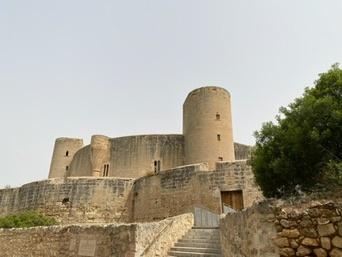
Palma
More Fotos