How do modern farming practices in Mallorca reflect the historical Arab techniques?
Similar Topics
Mallorca farming
Arab techniques
agricultural practices
irrigation systems
terrace farming
organic farming
Mallorcan diet
local markets
sustainable agriculture
crops in Mallorca
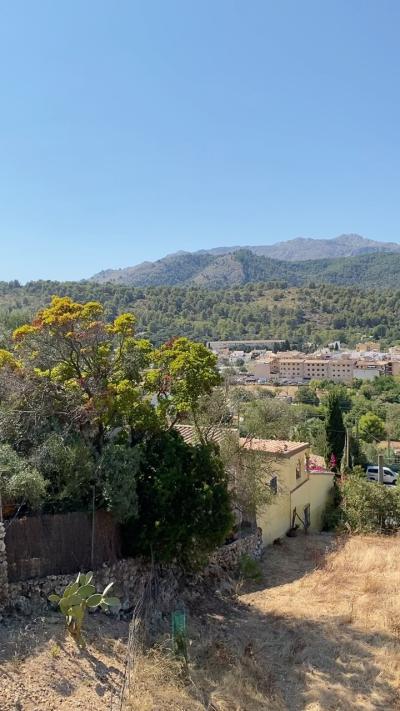
Mallorca's agricultural landscape is a fascinating blend of modern practices and historical influences, particularly those introduced during the Arab occupation in the 10th century. The Arabs brought significant advancements in farming techniques, including sophisticated irrigation systems and the practice of terrace farming, which allowed the cultivation of crops on the island's challenging mountainous terrain. These methods not only optimized water usage but also maximized arable land, helping farmers to grow a variety of crops such as olives, almonds, and citrus fruits, which are still staples of the Mallorcan diet today.
In contemporary Mallorca, many farmers have adopted these age-old techniques while integrating modern technology to enhance productivity and sustainability. For instance, traditional irrigation methods, like the qanat system, have been revitalized with the incorporation of drip irrigation, which conserves water while ensuring that crops receive the moisture they need. Additionally, the use of organic farming practices has gained popularity, reflecting a commitment to preserving the island's unique terroir and biodiversity, much like the Arab emphasis on cultivating the land responsibly.
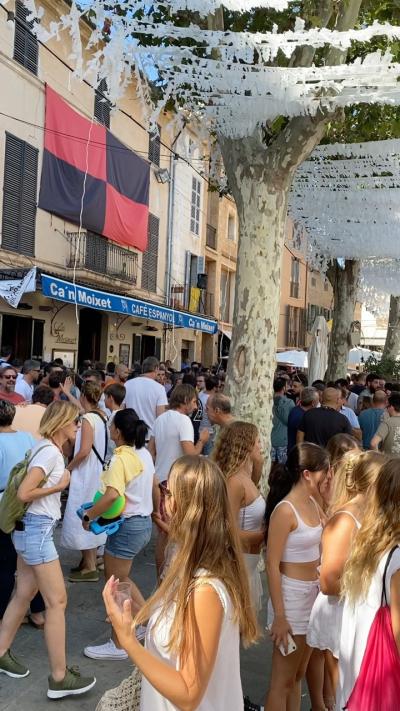
The result is a vibrant agricultural scene that honors its roots while adapting to modern demands. You may find yourself exploring local markets that showcase not only the abundant fruits and vegetables but also artisanal products like olive oil and wine, which are crafted using techniques that echo those of the past. Overall, the fusion of historical Arab farming practices with contemporary methods creates a rich tapestry of flavors and traditions that make Mallorca's agricultural heritage truly unique.
In contemporary Mallorca, many farmers have adopted these age-old techniques while integrating modern technology to enhance productivity and sustainability. For instance, traditional irrigation methods, like the qanat system, have been revitalized with the incorporation of drip irrigation, which conserves water while ensuring that crops receive the moisture they need. Additionally, the use of organic farming practices has gained popularity, reflecting a commitment to preserving the island's unique terroir and biodiversity, much like the Arab emphasis on cultivating the land responsibly.
The result is a vibrant agricultural scene that honors its roots while adapting to modern demands. You may find yourself exploring local markets that showcase not only the abundant fruits and vegetables but also artisanal products like olive oil and wine, which are crafted using techniques that echo those of the past. Overall, the fusion of historical Arab farming practices with contemporary methods creates a rich tapestry of flavors and traditions that make Mallorca's agricultural heritage truly unique.
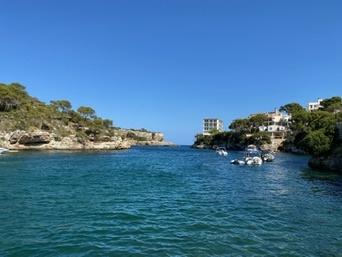
Cala Figuera
More Fotos